
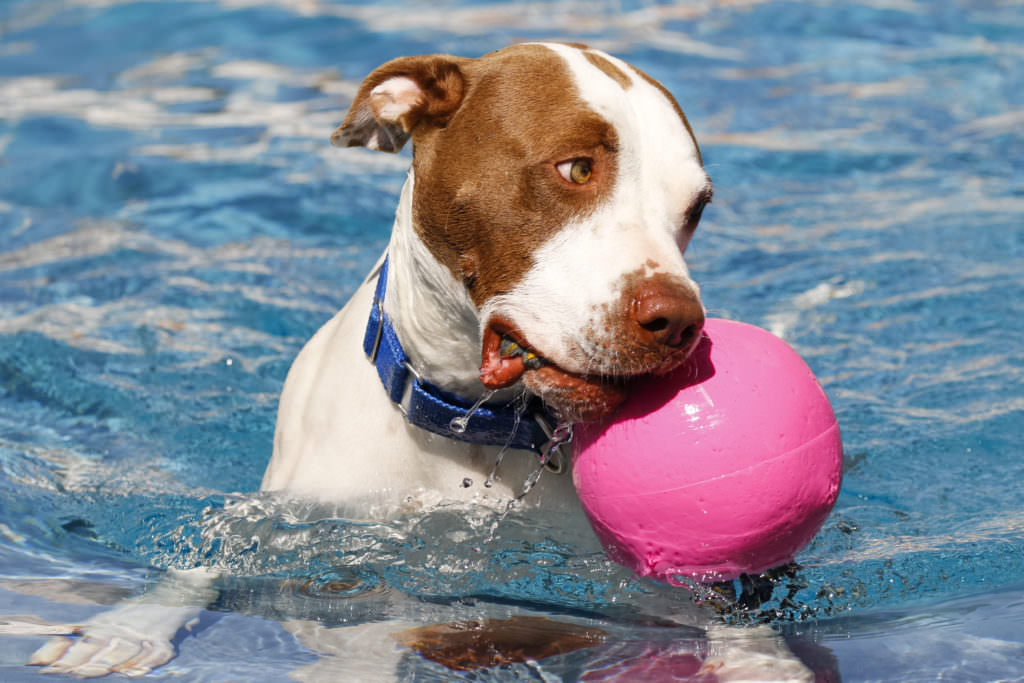
When the days start getting longer and the sun seems to shine just a little brighter, I know summer is approaching. More importantly, it’s pool time. Countless hours in the pool with my two favorite fur balls. In and out of the pool, chasing a ball or some improvised chew toy. Their coats hold so much water, that each time they get out of the pool, I swear I see the water level drop an inch. I love it. What I don’t love is what it does to my skin…and theirs. The water and chlorine are brutal, causing horribly dry skin. This always leads to licking. Then scratching. Then chewing. All – not good.
Medically known as canine atopic dermatitis (CAD), dry, itchy skin can be a major issue for dogs. If left untreated, it can lead to lesions, hair loss, or bacterial infections. It can be caused by a variety of factors, such as a hypersensitivity to allergens.
3 Most Common Allergies
-
Food
-
Environmental
-
Contact
Allergies are a hypersensitive and damaging response of the immune system to external allergens, such as pollen and food. It’s the same for humans and dogs. However, with dogs, the signs and symptoms may go unnoticed because our furry friends can’t tell us what’s wrong. So, as the leader of the pack, we need to be hyperaware of what to look out for.

Signs of Allergies in Dogs:
-
Scratching and biting on the skin
-
Excessive licking
-
Watery eyes
-
Paw chewing
-
Nasal discharge
-
Breathing problems (very serious!)
Fortunately, there are many ways to help boost your dog’s immune system and fight the itchy and dry skin. Some studies have shown promise with Omega-3 supplementation in the diet of dogs suffering from allergies. And although simply giving your dog a supplement is unlikely erase the symptoms, (always consult your vet for a complete treatment plan) there is pretty clear evidence that Omega-3 fatty acids provide benefits to the immune system, and many dogs are in fact deficient in Omega fatty acids due to the fact that dog’s cannot produce them on their own.
A Problem: Dogs Can’t Produce Vital Omega Fatty Acids
Omega fatty acids are essential for your dog’s skin health, but dogs can’t produce them on their own; they must get them from their diet. While commercial dog foods may list Omega-3s as ingredients, the high heat used during processing destroys much of their potency. That’s why so many pet parents turn to high-quality supplements to support their dog’s skin, coat, and immune system, especially during allergy-prone seasons like summer.
My go-to is Honey Guard™ Allergy & Itch Omega 3-6-9 Powder. It’s an extra-strength blend formulated with Manuka honey, quercetin, colostrum, krill oil, and probiotics—a powerful combination that supports immune response, soothes itching, and promotes skin resilience. The krill oil delivers high levels of bioavailable Omega fatty acids with fewer toxins than fish oil, while Manuka honey and quercetin provide natural antihistamine and anti-inflammatory support. The easy-to-use powder format mixes right into meals, making it perfect for picky eaters.
 The key to remember: Your dog needs Omega fatty acids (supplement, fish meat, whatever the source). So whatever you choose, just make it part of a healthier, happier lifestyle for your dog. It definitely made a splash with mine. Or was that the pool?
These statements have not been evaluated by the Food and Drug Administration. This product is not intended to diagnose, treat, cure, or prevent any disease. The information on this website is not intended to replace a one-on-one relationship with a qualified health care professional.
 Toledo, United States.