
 Image: Shutterstock
Some animals are built for caution. Others? They just don’t care. Whether they’re picking fights with cobras, charging full-speed at lions, or treating beehives like a snack bar, the most fearless animals on earth operate on a completely different level. They face threats head-on, hold their ground when any sensible creature would run, and honestly make the rest of the animal kingdom look a little timid.
This list covers 15 of the boldest, most relentless animals alive. If you love learning about wild animals that push survival to the absolute limit, you’ll also want to check out our roundup of wild animals built for beast mode. But first, let’s get into the fearless ones.
Fearless Animal Fast Facts
| Most fearless mammal | Honey Badger (Guinness World Records) |
| Honey badger skin thickness | ~6mm, arrow- and machete-resistant |
| Cape Buffalo kills per year | ~200 humans (Africa’s deadliest animal) |
| Wolverine strength vs size | Can take down prey 5x its own weight |
| Honeybee hive defense | Will sacrifice life to protect the colony |
1. Honey Badger
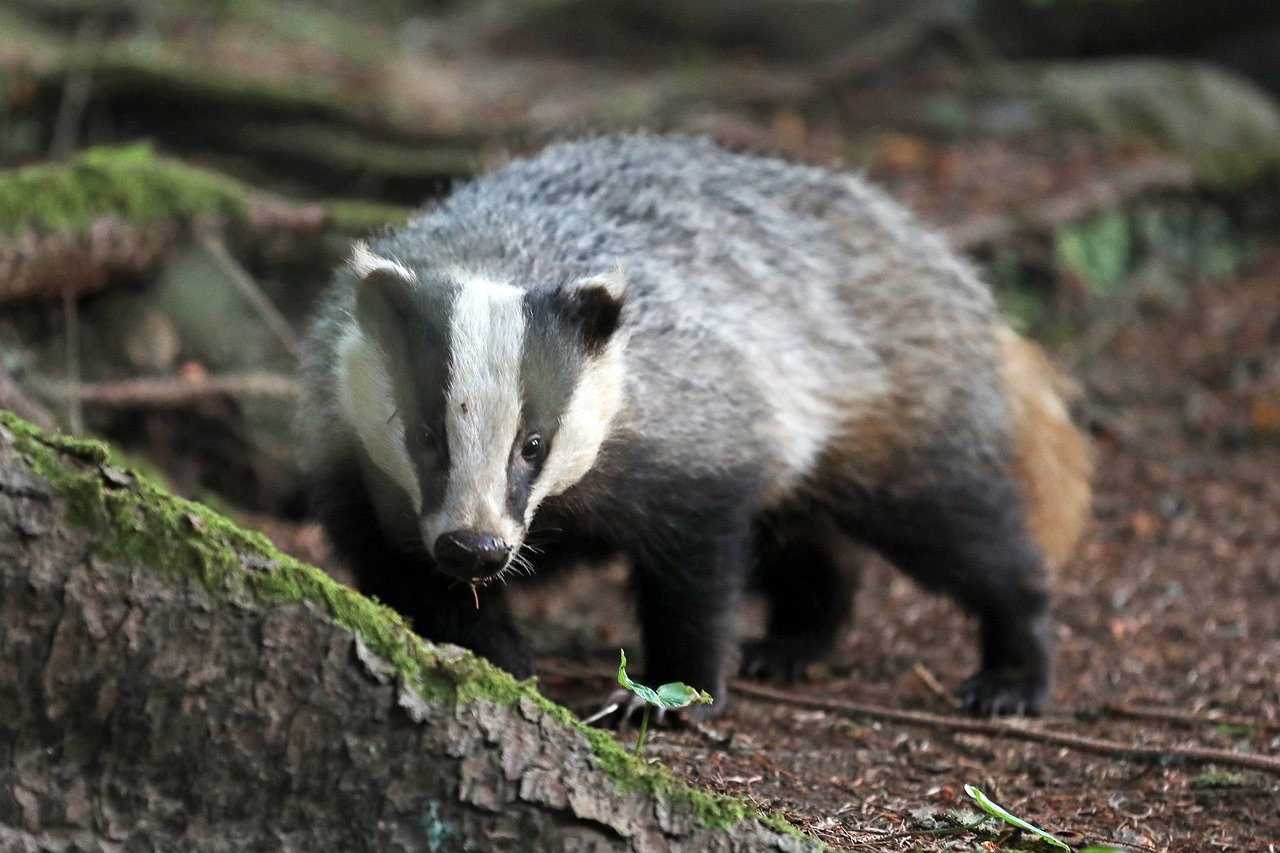 Image: Shutterstock
The honey badger holds the Guinness World Record for “most fearless animal” and, honestly, the title fits. This short, stocky creature from Africa and Asia weighs around 25 pounds, but it regularly picks fights with lions, leopards, and cobras without blinking. Its secret? Skin so thick and loose that predators can’t get a good grip, and a chemical defense similar to a skunk’s when things really get rough.
Honey badgers raid beehives for honey while getting stung hundreds of times. They get bitten by venomous snakes, pass out briefly, then wake up and finish eating the snake. They’ve been documented chasing lions off kills. When cornered, they go straight for the eyes and underbelly of their attacker. There’s no bluffing with this animal. It just doesn’t know how to back down.
2. Wolverine
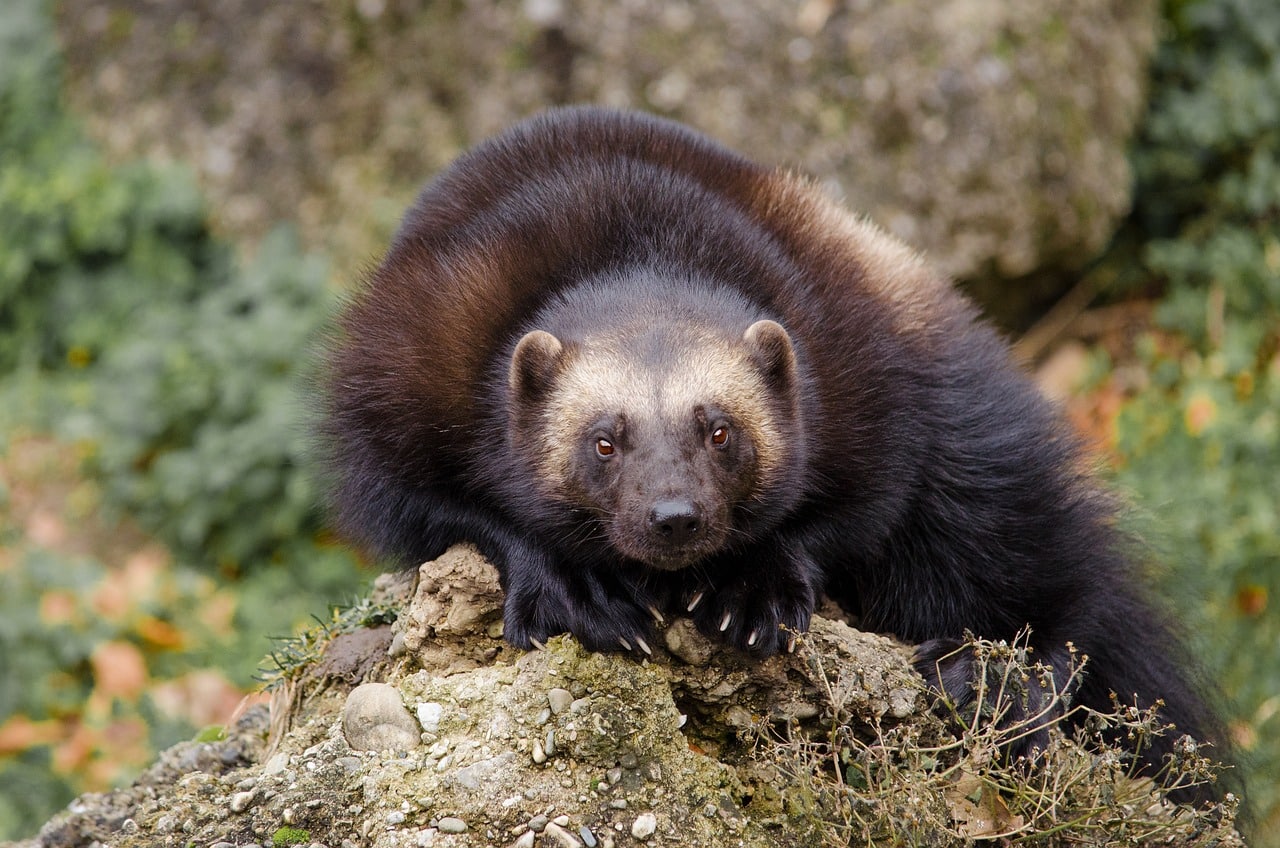 Image: Shutterstock
Don’t let the size fool you. A wolverine tops out around 40 pounds, but it’ll take on a bear to steal a kill. These muscular members of the weasel family roam the boreal forests and tundra of North America, Europe, and Asia, covering up to 15 miles a day in search of food. Their jaws are powerful enough to crack frozen bones in winter when nothing else can access the meat inside.
Wolverines are intensely territorial. They mark massive home ranges and will defend them aggressively against anything that enters, including wolves and bears many times their size. Researchers have observed wolverines displacing wolves from carcasses. The wolverine basically looks at a wolf and decides it’s a problem to solve. That level of confidence in a 40-pound animal is genuinely something else.
3. Cape Buffalo
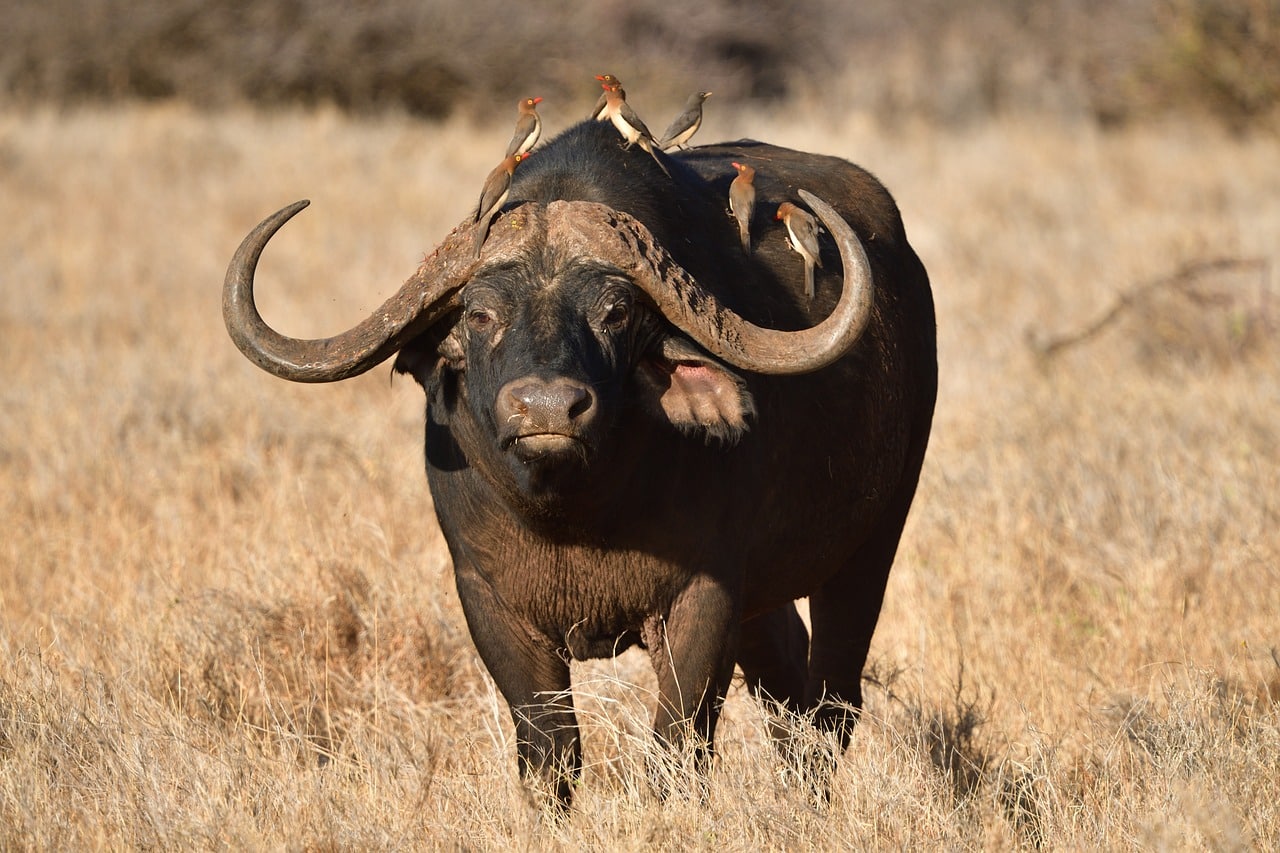 Image: Shutterstock
African hunters nicknamed the Cape buffalo “Black Death,” and it’s not hard to see why. This is the only animal in Africa that lion prides have genuine trouble taking down safely. A full-grown Cape buffalo can weigh 1,500 pounds, runs at 35 mph, and won’t hesitate to turn a charge into a sustained attack if a lion, crocodile, or human gets too close.
What makes them especially fearless is their willingness to regroup and counter-attack. A herd that watches a lion take one of their own won’t just scatter. They often come back together and mob the lion. There are documented cases of entire herds trampling lions to rescue a calf. That’s not panic. That’s coordinated courage at a pretty impressive scale.
4. Mongoose
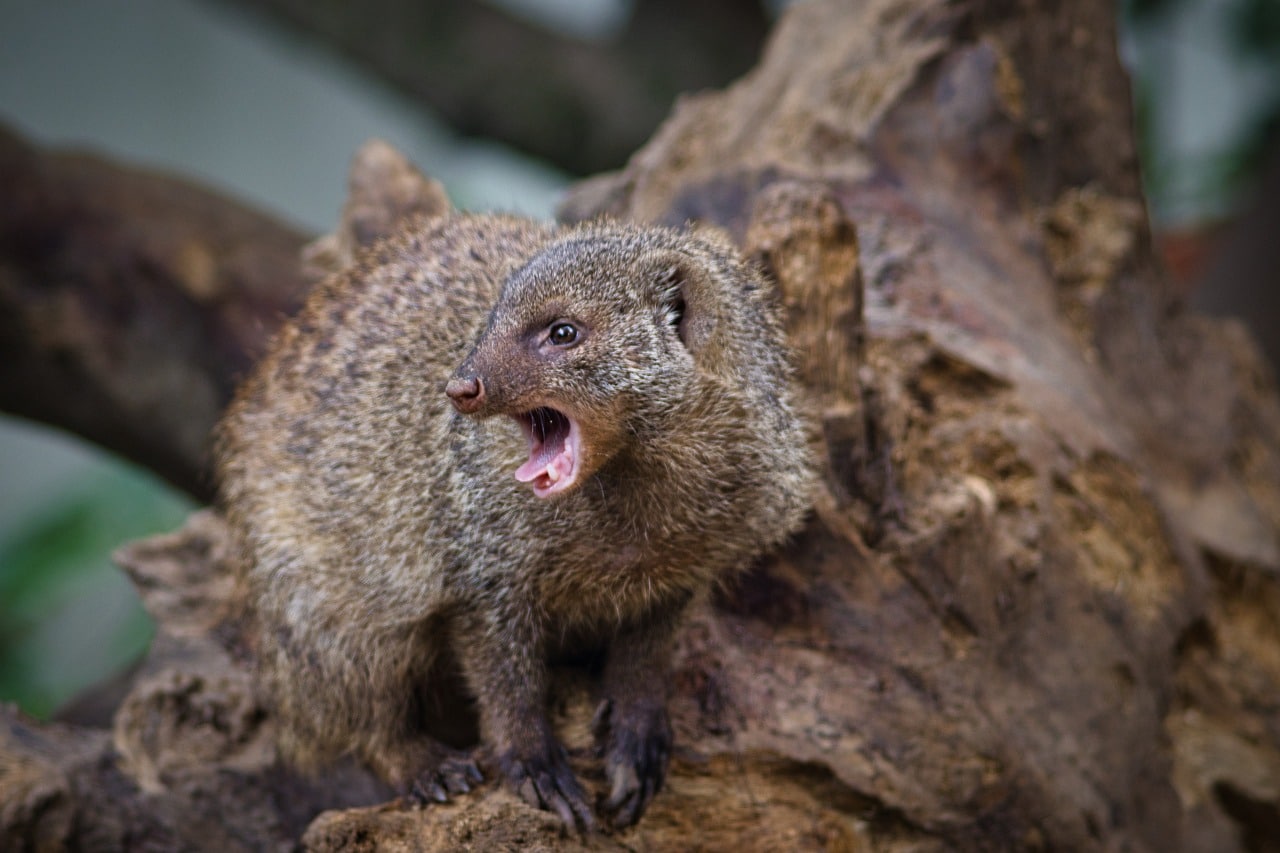 Image: Shutterstock
A mongoose the size of a squirrel going after a cobra doesn’t sound like a fair fight. That’s because it isn’t. The mongoose wins. It has lightning-fast reflexes, thick fur that makes biting difficult, and a genetic mutation that makes it largely resistant to neurotoxic snake venom. A bite from a king cobra that would kill a human in minutes is just an inconvenience to a mongoose on a good day.
They don’t avoid snakes. They seek them out. The mongoose treats a confrontation with a venomous snake the way most predators treat easier prey. It’s one of nature’s clearest examples of fearlessness backed by actual biological advantage. That said, the confidence still deserves credit. It knows what it can handle, and it handles it without hesitation.
5. Komodo Dragon
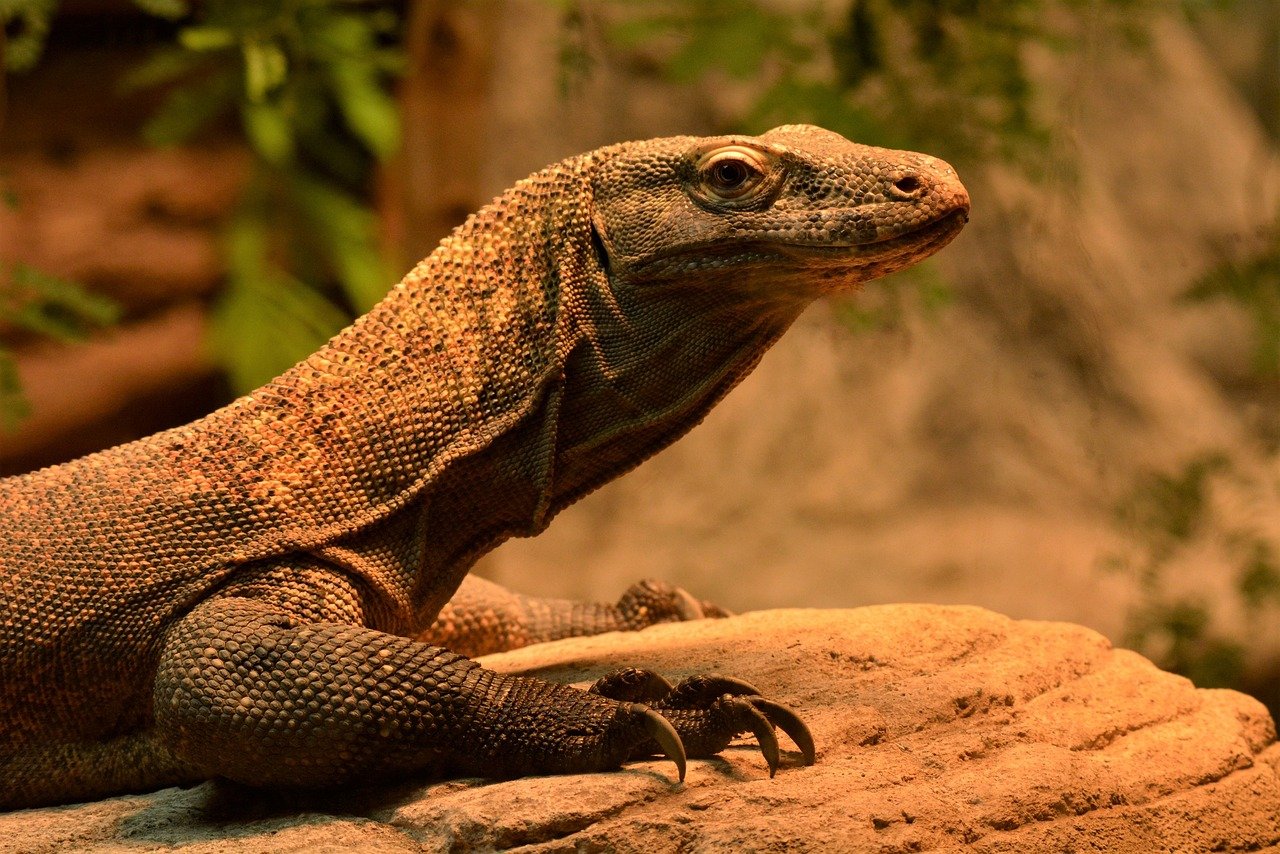 Image: Shutterstock
The world’s largest living lizard, Komodo dragons can reach 10 feet and 150 pounds. They’ve existed nearly unchanged for millions of years, which should tell you something about how well their approach to survival works. They’re apex predators on their Indonesian islands, and nothing in their environment makes them feel like prey.
Their saliva contains venom that prevents blood from clotting, and their serrated teeth deliver deep lacerating bites. They’ll ambush water buffalo, deer, and pigs far heavier than themselves, then follow a wounded animal patiently for days if needed. Komodo dragons have also attacked and killed humans. These aren’t animals that hesitate when something enters their territory. They just act.
6. Tasmanian Devil
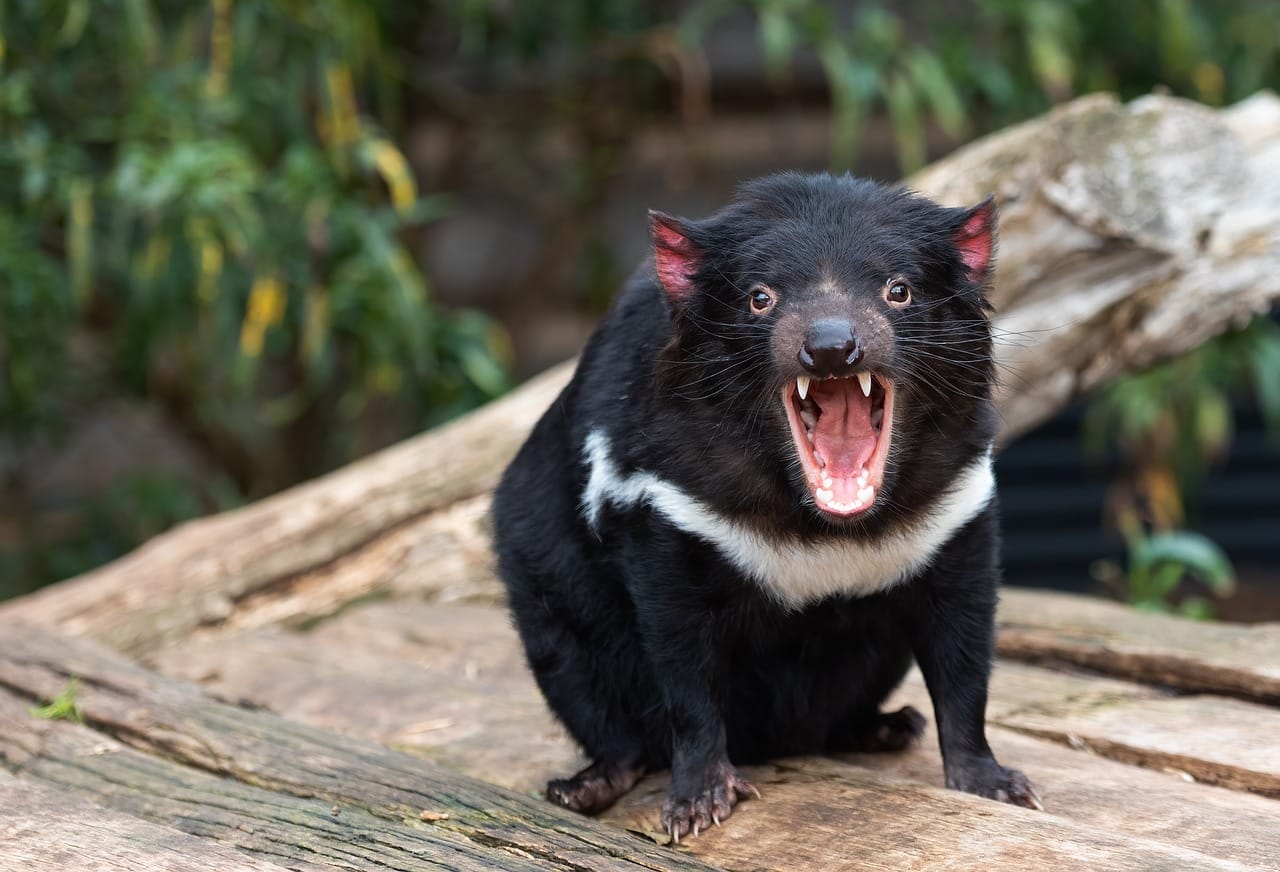 Image: Shutterstock
Tasmania’s most famous resident is roughly the size of a small dog with the jaw strength of a dog three times its size. Tasmanian devils have the strongest bite force relative to body size of any living mammal. They can crush bones, eat every part of a carcass including teeth and fur, and are known to challenge animals much larger than themselves over food.
They’re also remarkably fearless around humans, which isn’t always a good combination. In the wild, they’ll go after prey larger than themselves, scream at perceived threats with blood-curdling shrieks, and engage in aggressive face-to-face confrontations during feeding. Despite looking almost comical, you wouldn’t want to be on the wrong side of that jaw.
7. Jaguar
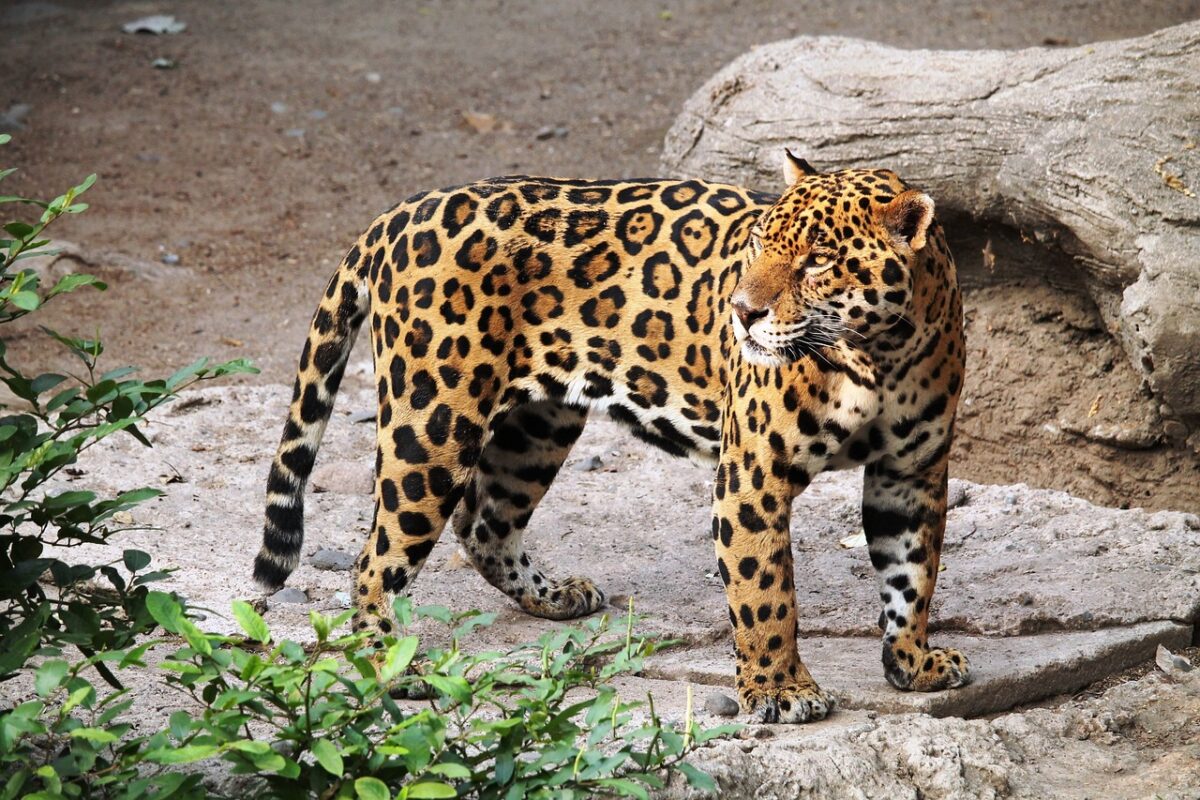 Image: Shutterstock
Most big cats avoid water. Jaguars swim for fun and hunt in rivers. They’re the only wild cat in the Americas that won’t back down from an anaconda, caiman, or giant river otter. Their bite is the strongest of any big cat relative to body size, and they use it in a way other cats don’t: biting straight through the skull rather than the throat, which kills prey almost instantly.
Jaguars are perfectly comfortable hunting things most predators avoid: armored caimans, thick-shelled tortoises, porcupines. They move through rainforests, swamps, and grasslands with equal confidence. Unlike lions or tigers, jaguars are solitary hunters, which means every meal comes from individual skill and nerve, not group tactics. That’s a different kind of fearlessness.
8. Grizzly Bear
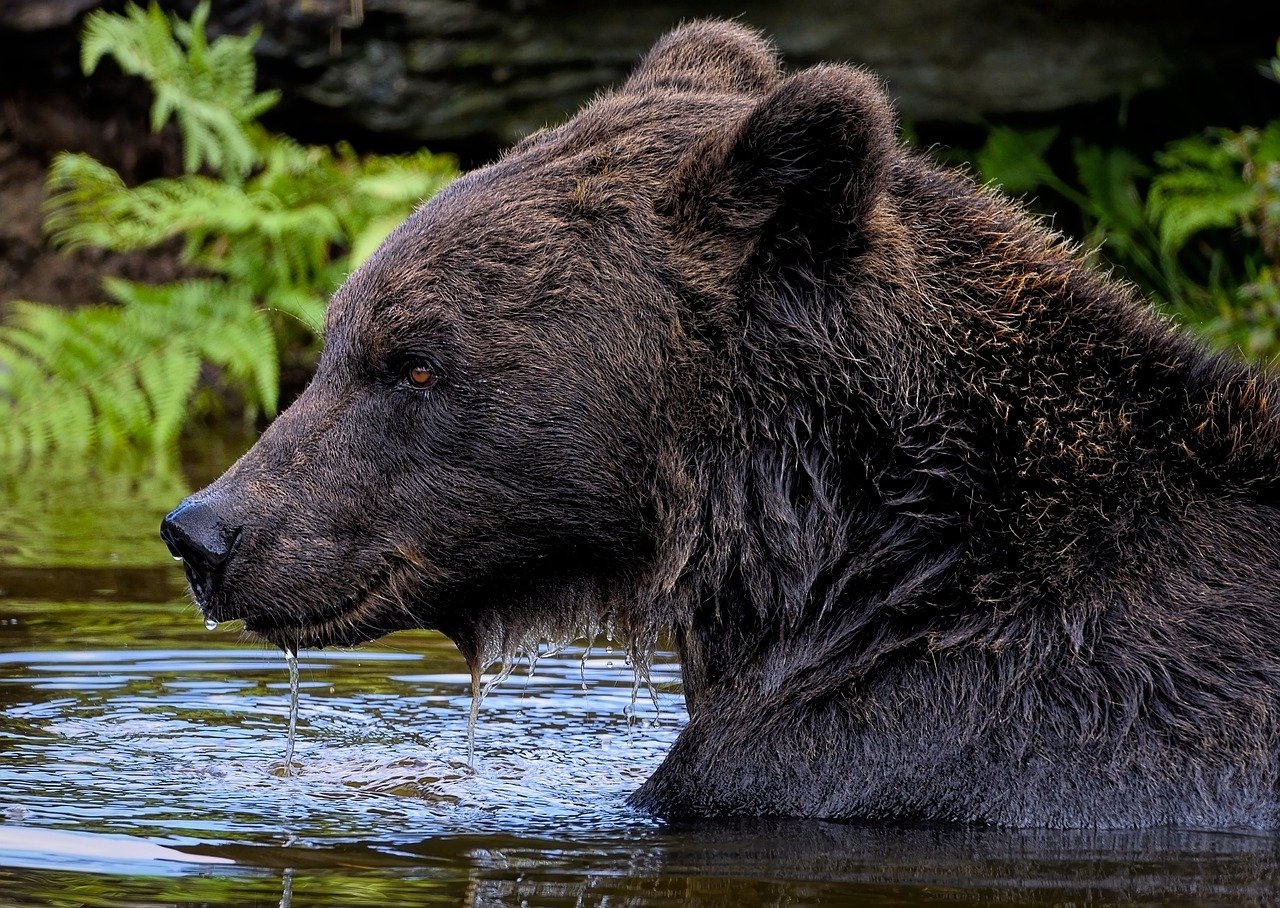 Image: Shutterstock
Grizzly bears are the apex predators of North America’s mountains and forests, and they know it. They’re nearly impossible to discourage when they want something. Wolves have tried. Mountain lions have tried. Humans with cars have tried. None of it really works when a grizzly is motivated.
A mother grizzly protecting cubs is one of the most dangerous situations in North American wildlife. She’ll charge a wolf pack, a bull moose, or a curious hiker with the same complete lack of hesitation. Outside of protective situations, grizzlies are also known to scavenge kills from wolves and cougars, essentially walking up and taking what they want. When you weigh 700 pounds and have 4-inch claws, that confidence is somewhat warranted. If you spend time outdoors, it’s worth knowing which wild animals could pose a threat to your dog on the trail.
9. Hippopotamus
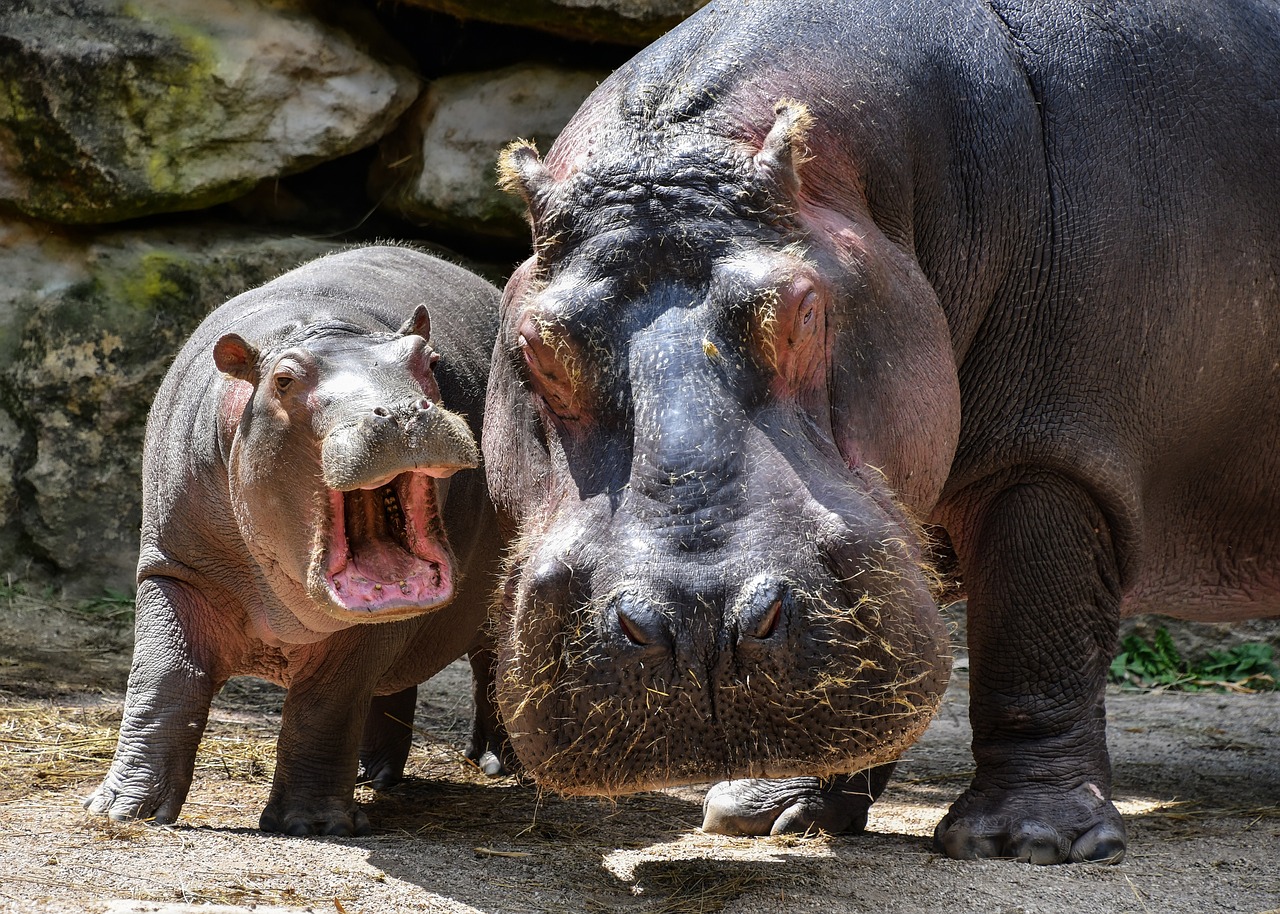 Image: Shutterstock
Hippos are responsible for an estimated 500 human deaths per year in Africa, making them the continent’s deadliest large land mammal. They look slow and round on land. In water, they can hit 20 mph and can hold their breath for five minutes. Their mouth opens to 150 degrees and their canine teeth can reach 20 inches. A hippo bite can cut a small crocodile in half.
What makes hippos genuinely fearless rather than just aggressive is their response to being approached. They don’t warn. They don’t escalate gradually. They charge. Boats, jet skis, and humans on foot all get the same reaction if they enter a hippo’s space in the water. Nile crocodiles, which are no small threat, actively avoid hippo-heavy areas of rivers. That should tell you something.
10. African Elephant
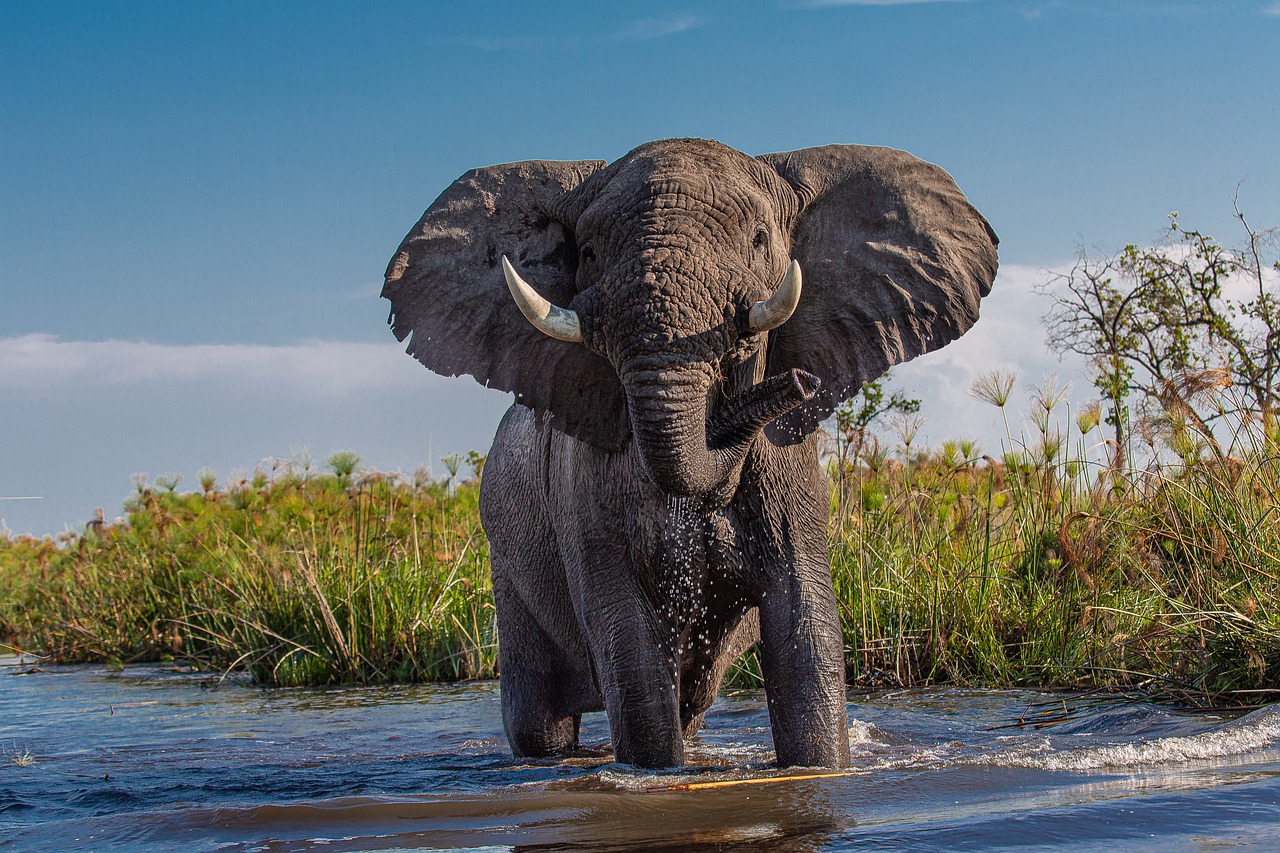 Image: Shutterstock
Nothing in the African savanna gets out of an elephant’s way except another elephant. At up to 13 feet tall and 14,000 pounds, an African elephant doesn’t need to posture. When it decides something needs to leave, that thing leaves. Lion prides avoid elephant family groups. Rhinos step aside. Vehicles get nudged off roads.
Elephant herds are famously protective. Matriarchs will lead charges against threats to the young, and the whole herd will form a defensive circle around calves when predators approach. Despite being herbivores, elephants have killed lions, rhinos, and hippos in defensive confrontations. They’re also intelligent enough to remember threats and hold grudges, sometimes returning to specific locations years later to confront dangers they encountered before. Fearlessness backed by memory is a formidable combination.
11. Honeybee
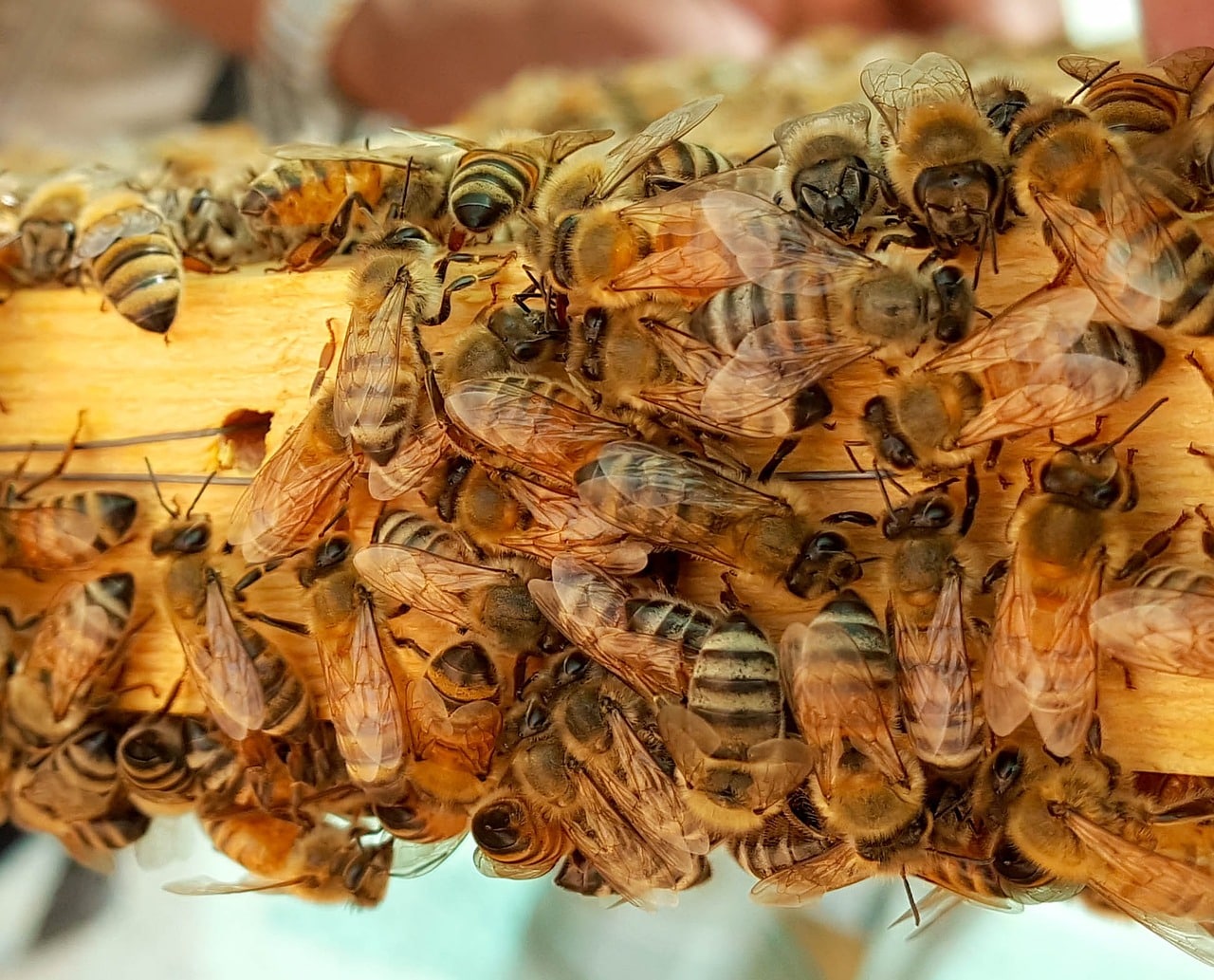 Image: Shutterstock
A honeybee weighs about 0.003 ounces. A black bear weighs about 300 pounds. The bee will still sting the bear if it comes near the hive, knowing full well that stinging means death for the bee. That’s not instinct dressed up as courage. That’s a straightforward willingness to die defending the colony.
Worker bees attack threats thousands of times their size without any hesitation. A threatened hive will send hundreds of bees in a coordinated swarm. Africanized honeybees have driven cattle into rivers and killed horses. Honeybees will chase threats for up to a quarter mile. For the smallest animal on this list, the honeybee has a genuinely outsized case for the title of most fearless animal on earth.
12. Rhinoceros
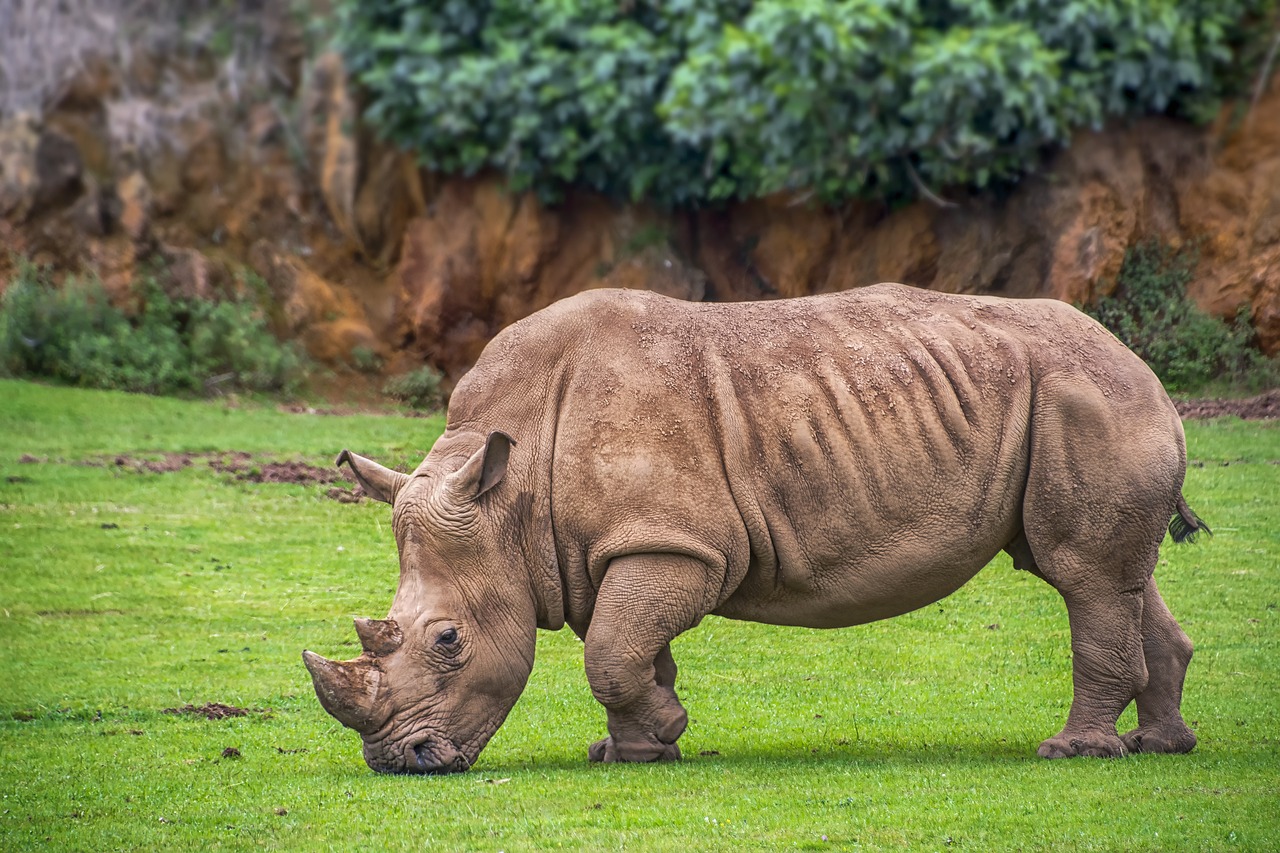 Image: Shutterstock
A white rhino can weigh over 5,000 pounds and run at 30 mph. Their horns can reach five feet long and are strong enough to flip a small vehicle. Rhinos don’t have great eyesight, but they don’t need it. Anything that startles them gets charged. Full stop. They’re not assessing threat levels or calculating escape routes. They’re already running at whatever caught their attention.
Their poor vision actually contributes to their reputation. Because rhinos can’t always see clearly what’s approaching, they tend to default to aggression as a precaution. Lions largely leave adult rhinos alone. Crocodiles won’t challenge them at the water’s edge. A rhino’s natural response to uncertainty is to eliminate the source of it as fast as possible. As a survival strategy, it works extremely well.
13. Polar Bear
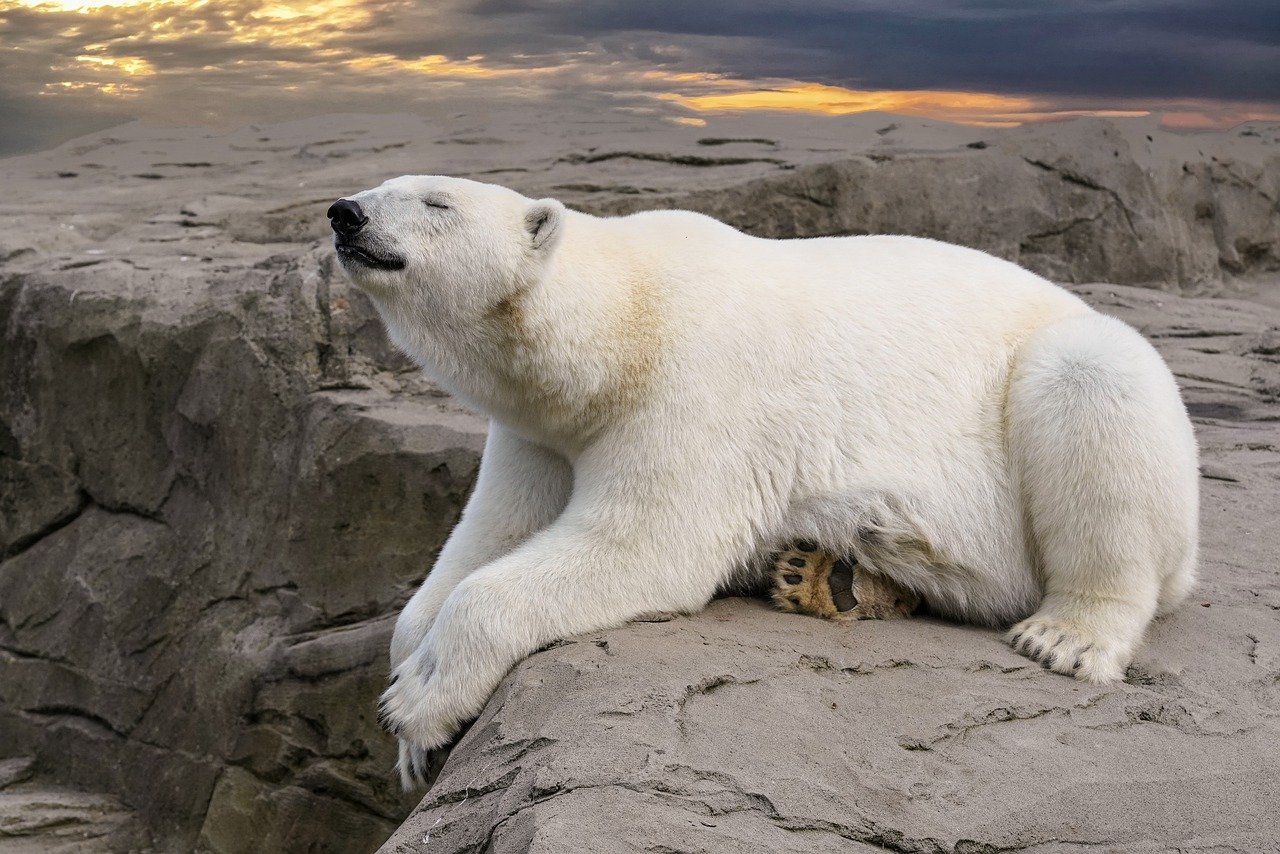 Image: Shutterstock
Polar bears are the largest land carnivores on earth, topping out around 1,500 pounds. They live in one of the most extreme environments on the planet, regularly swimming between ice floes in near-freezing Arctic water for hours at a time. They have no natural predators. Nothing in the Arctic looks at a polar bear and thinks “I could take that.”
Their fearlessness shows up in their hunting approach. They’ll wait motionless at seal breathing holes for hours, then erupt into action the instant prey appears. They’ve been documented swimming toward ships, approaching armed researchers without hesitation, and hunting walruses in aggressive confrontations despite the risk of injury from tusks. A polar bear’s world is one of extreme cold, limited food, and total confidence that it’s the top of the chain.
14. Lion
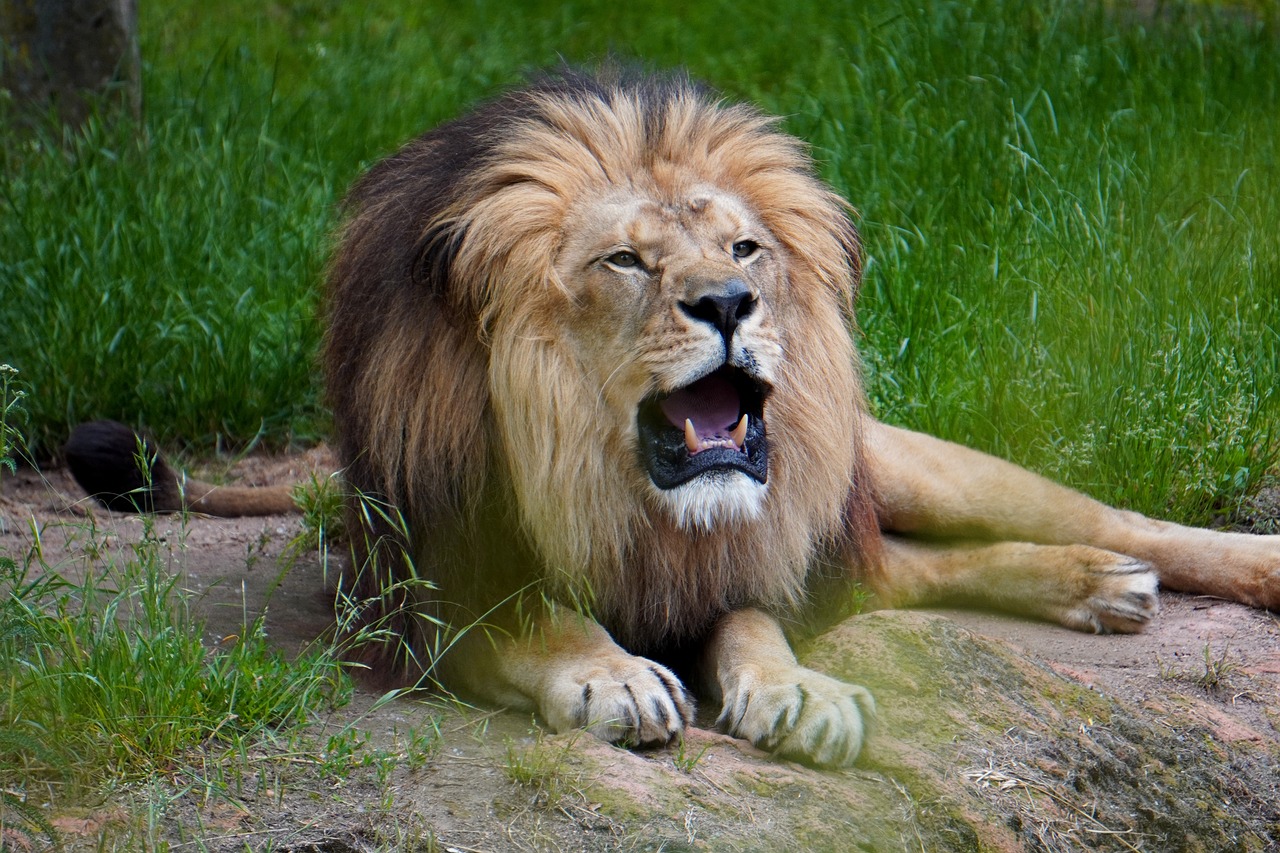 Image: Shutterstock
Lions rule the African savanna through a combination of raw power and complete psychological dominance. Other animals move when a pride approaches. Not because lions never lose a fight, but because most other animals decide not to find out. The lion’s roar carries up to five miles. It’s not a warning. It’s a statement.
What earns lions a spot here isn’t just their physical capability. It’s their willingness to take on elephants, hippos, and Cape buffalo when hungry enough. There are documented cases of lion prides coordinating attacks on young elephants, a strategy that requires enormous risk tolerance from every member of the pride. Male lions in their prime will also challenge each other in head-to-head fights that look genuinely terrifying. They don’t avoid those confrontations. They walk straight into them.
15. Bald Eagle
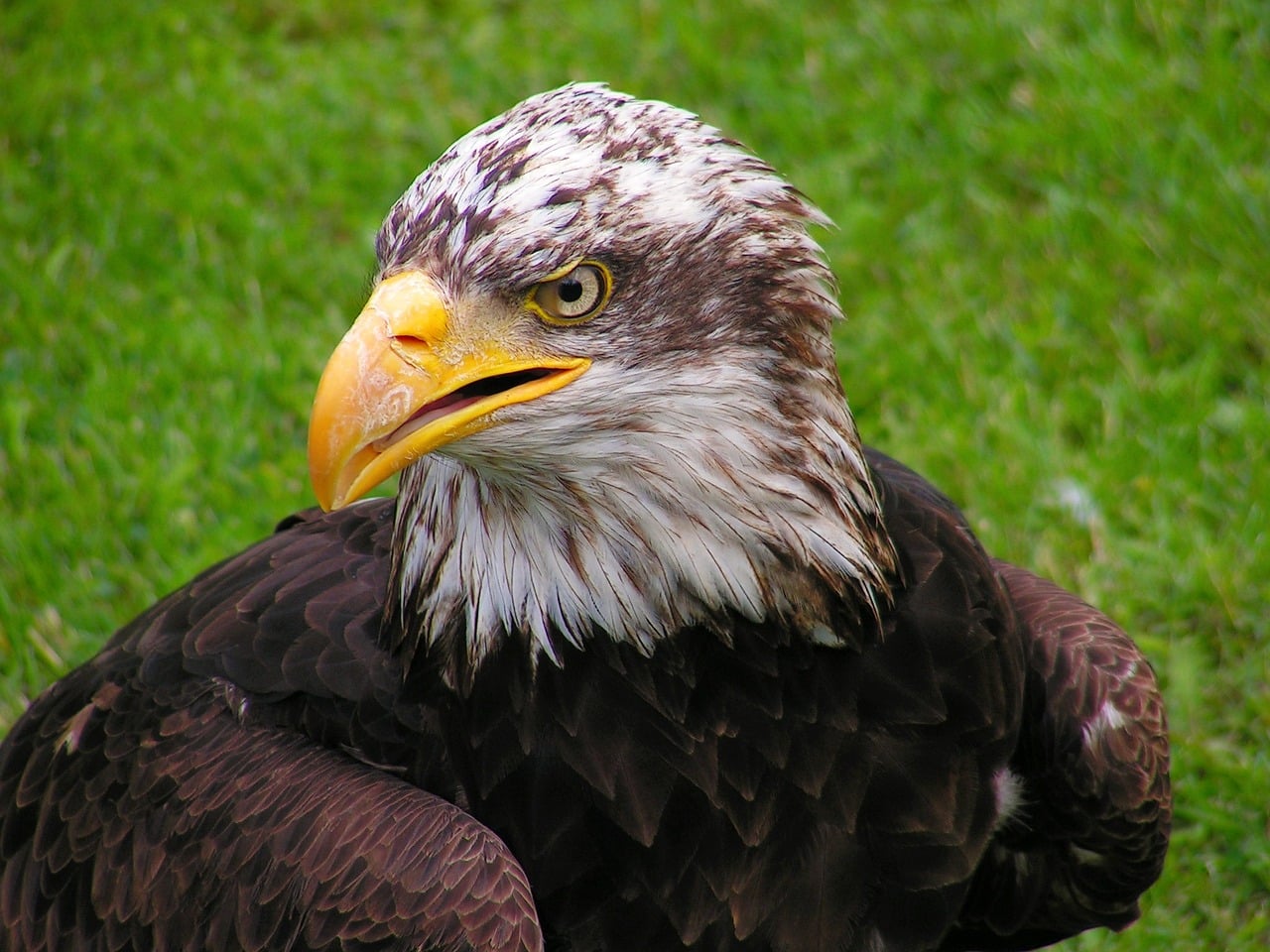 Image: Shutterstock
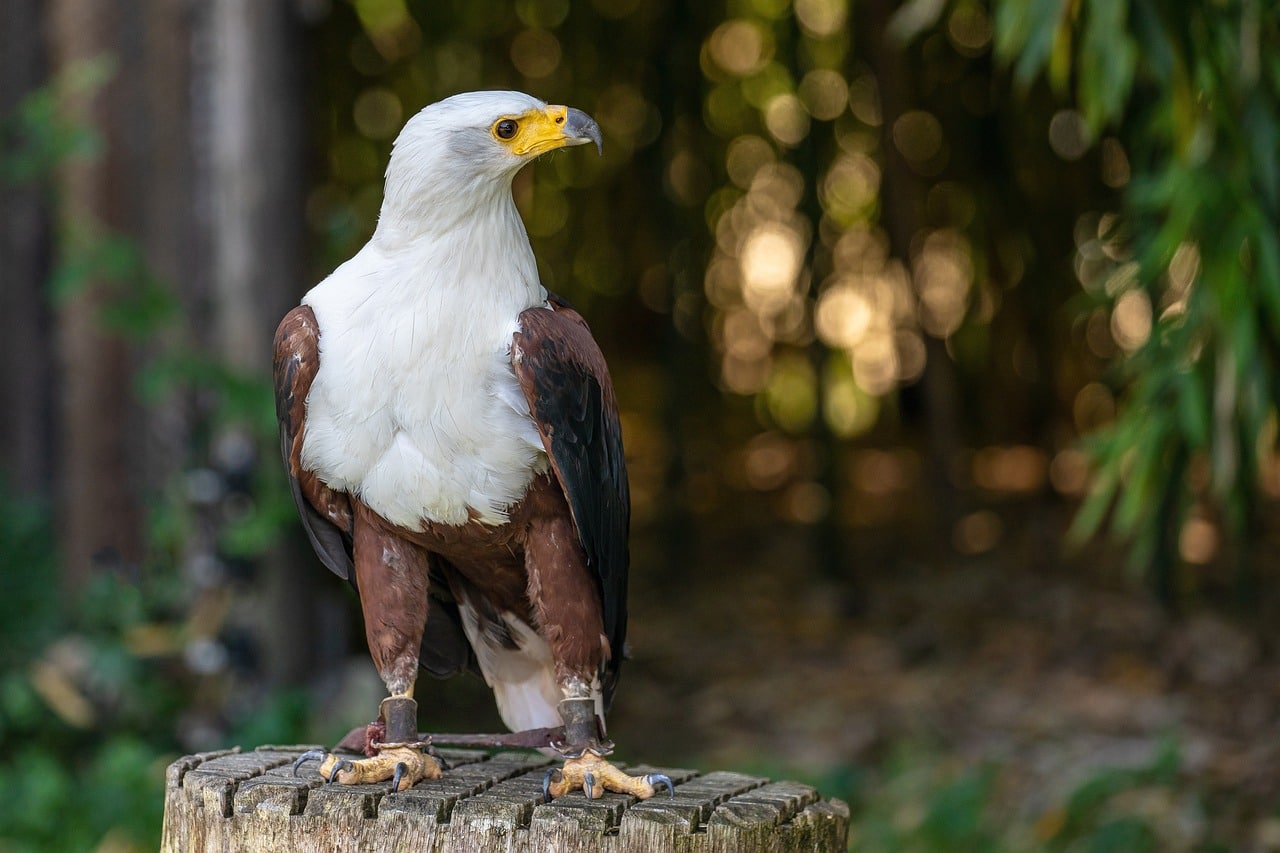
Bald eagles have a wingspan up to eight feet and talons that can exert 400 pounds per square inch of grip pressure. They dive at prey at 100 mph, plucking fish clean out of the water with precision. But what earns them this list is their territorial behavior. Bald eagles will chase hawks, owls, ospreys, and other eagles out of their airspace without hesitation, sometimes engaging in mid-air battles that involve flipping upside down and locking talons.
They’ll also steal food from other raptors and defend nests aggressively against much larger threats. A bald eagle nest can weigh over a ton after years of additions, and the pair that built it will defend that investment against anything that gets too close. For a bird, that’s a remarkable level of commitment to holding their ground. Their bold approach to both hunting and territory makes them a worthy close to this list.
How These Animals Compare: Size vs. Fearlessness
| Animal | Max Weight | Notable Fearless Behavior |
|---|---|---|
| Honey Badger | ~25 lbs | Fights lions, survives venomous bites |
| Wolverine | ~40 lbs | Displaces wolves from carcasses |
| Mongoose | ~11 lbs | Actively hunts king cobras |
| Cape Buffalo | ~1,500 lbs | Herds counter-attack lion prides |
| Hippo | ~4,400 lbs | 500+ human deaths per year in Africa |
| Honeybee | ~0.003 oz | Dies defending hive against bears |
It’s also worth noting that fearlessness shows up differently across the animal kingdom. If you enjoy learning about animals with surprising emotional depth, check out animals that show empathy like humans. And if you want to know which animals might be dangerous as pets, our guide on the most dangerous animals people keep as pets covers some real surprises.
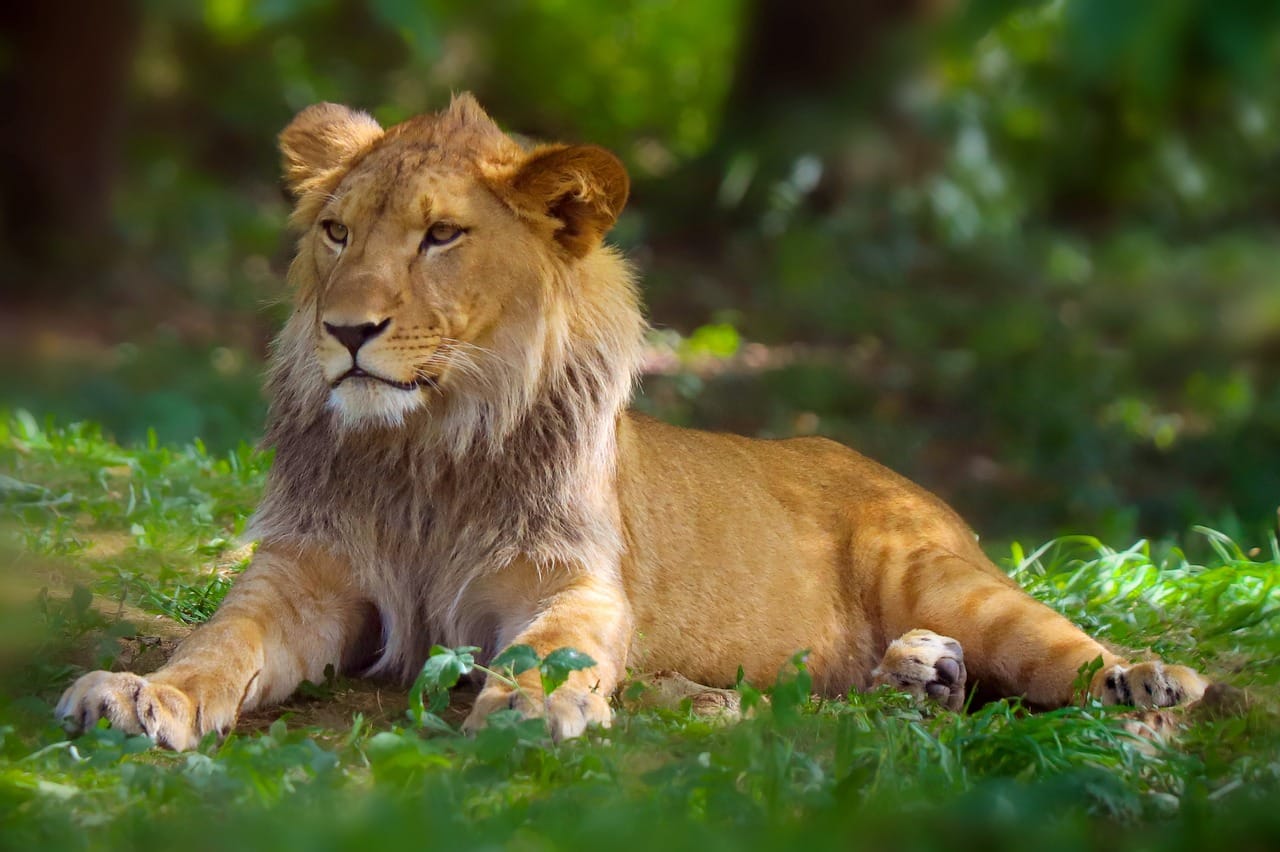 Image: Shutterstock
Frequently Asked Questions
What is the most fearless animal on earth?
The honey badger is widely considered the most fearless animal on earth, holding the Guinness World Record for the title. It regularly confronts lions, leopards, and venomous snakes, has thick skin resistant to bites and stings, and has some resistance to snake venom. It’s one of the few animals that will actively pick a fight with a predator many times its size.
Why are honey badgers so fearless?
Honey badgers have several physical traits that back up their bold behavior. Their skin is about 6mm thick and so loose that predators can’t get a firm grip. They have partial resistance to certain snake venoms and can take a bite from a cobra, pass out briefly, then wake up and continue the hunt. They also produce a chemical secretion similar to a skunk’s for additional defense.
Which small animal is the most fearless?
Among small animals, the honey badger and the mongoose are consistently cited as the most fearless. The mongoose actively hunts venomous cobras, while the honey badger fights off lions. For the smallest animal relative to its enemies, the honeybee deserves mention: it attacks bears and horses many thousands of times its own weight in defense of the hive, knowing it will die in the process.
Are hippos really that dangerous?
Yes. Hippos kill an estimated 500 people per year in Africa, making them one of the continent’s most dangerous large mammals. Despite their bulk, they can run at 20 mph in water and 19 mph on land. Their jaws can open to 150 degrees with canine teeth up to 20 inches long. Adult Nile crocodiles actively avoid areas with high hippo populations.
What animal has no fear of predators?
Several animals have effectively no natural predators in their adult form. Polar bears face no threats in the Arctic. Adult hippos and elephants are largely immune to predator attacks. The honey badger is feared by animals far larger than itself and avoids very few confrontations. Among insects, the bullet ant and giant hornet operate with similar impunity.
Do dogs share any traits with fearless wild animals?
Absolutely. Some dog breeds are known for bold, protective instincts similar to those seen in wild animals. Breeds like the Boerboel, Cane Corso, and Kangal were developed specifically to confront predators like wolves and bears without backing down. If you’re curious about the dogs built for that kind of courage, our guide to the most protective dog breeds covers the top contenders.
Image: Shutterstock
Final Thoughts
The most fearless animals on earth don’t share a single trait that explains their boldness. Some are big enough that fear would be a waste of energy. Others are small but wired with reflexes and defenses that let them punch far above their weight. A few, like the honeybee, operate on pure instinct that produces something that looks a lot like sacrifice.
What connects them all is a complete absence of backing down. They don’t negotiate, they don’t bluff, and they don’t avoid confrontations that they could reasonably avoid. Whether you find that inspiring or a little terrifying probably depends on which side of the honey badger you’re standing on.
Want to explore more wild animal behavior? Our guide to wild animals built for beast mode goes deep on the physical adaptations that make certain species so formidable. And if you have dogs and spend time outdoors, knowing which wild animals can threaten your dog is genuinely useful reading.
 Toledo, United States.