
 Shutterstock
Wire haired dog breeds have a look that’s hard to ignore. Bristly coats, bushy brows, and scruffy beards that make every dog look like they just rolled out of the wilderness and decided to stay. But the wire coat isn’t just about style. It was built for function, tough enough to push through brambles, repel water, and take the kind of abuse that comes with a real working day in the field.
These dogs were bred to hunt, herd, and tackle tough terrain. Their wiry outer coat acts almost like armor, and the dense undercoat keeps them warm even in cold, wet conditions. Most of them shed very little compared to other breeds, which is a bonus if you’re tired of vacuuming. If you’re considering a low-shedding or hypoallergenic dog, wire-haired breeds are worth a serious look.
Here are 17 wire haired dog breeds that prove scruffy is absolutely a compliment.
Wire-Haired Dog Breeds at a Glance
| Breed | Size | Energy | Grooming Needs | Best For |
|---|---|---|---|---|
| Wire Fox Terrier | Small | High | Moderate | Active families |
| Border Terrier | Small | High | Low | Families, apartment OK |
| German Wirehaired Pointer | Large | Very High | Moderate | Hunters, active owners |
| Brussels Griffon | Toy | Moderate | Moderate | City dwellers |
| Airedale Terrier | Large | High | Moderate | Experienced owners |
| Irish Wolfhound | Giant | Moderate | Low | Spacious homes |
| Schnauzer (all sizes) | Small-Large | Moderate-High | Moderate | Families, singles |
| Wirehaired Vizsla | Large | Very High | Low | Active outdoor owners |
| Scottish Terrier | Small | Moderate | Moderate | Independent owners |
| Wirehaired Dachshund | Small | Moderate | Low | Families, small spaces |
| Otterhound | Large | Moderate | Moderate | Water lovers |
| Dandie Dinmont Terrier | Small | Moderate | Moderate | Experienced owners |
| Irish Terrier | Medium | High | Moderate | Active families |
| Lakeland Terrier | Small | High | Moderate | Active owners |
| Spinone Italiano | Large | Moderate | Low | Gentle, calm homes |
| Welsh Terrier | Medium | High | Moderate | Active families |
| Jack Russell Terrier | Small | Very High | Low | Confident, experienced owners |
Wire Fox Terrier
 Shutterstock
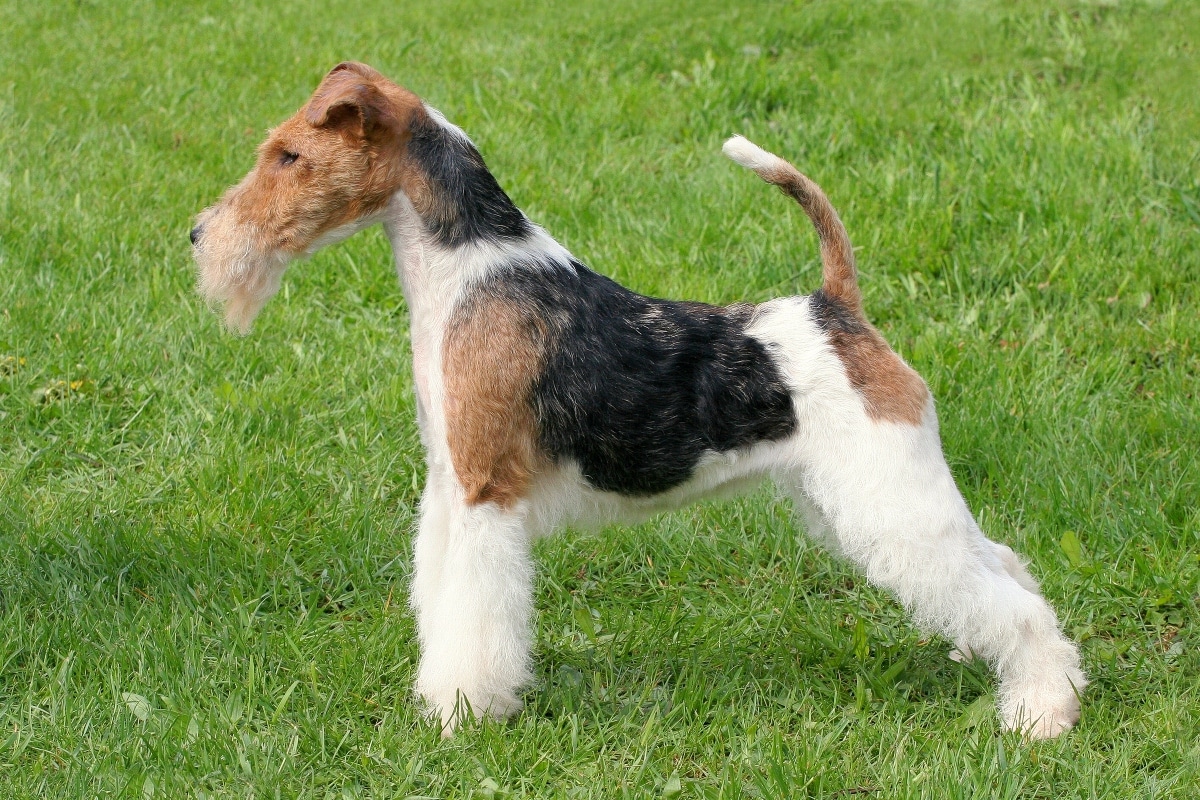
If any dog looks like it’s always about to bolt after something, it’s this one. The Wire Fox Terrier carries a dense, twisted coat that stays surprisingly clean between baths, which is convenient given how often they end up in trouble. Originally bred to bolt foxes out of their underground dens, they’ve held onto every bit of that fearless, let’s-see-what-happens energy. They’re clever, fast, and easily bored, which means a tired Wire Fox Terrier is a happy one. Their facial furnishings, thick brows, and stiff beard give them the classic scruffy look that defines the wire-haired family.
Grooming: Hand stripping 2-3 times per year keeps the coat’s wiry texture. Clipping softens the coat over time. Weekly brushing helps control tangles between strips.
Border Terrier
 Shutterstock
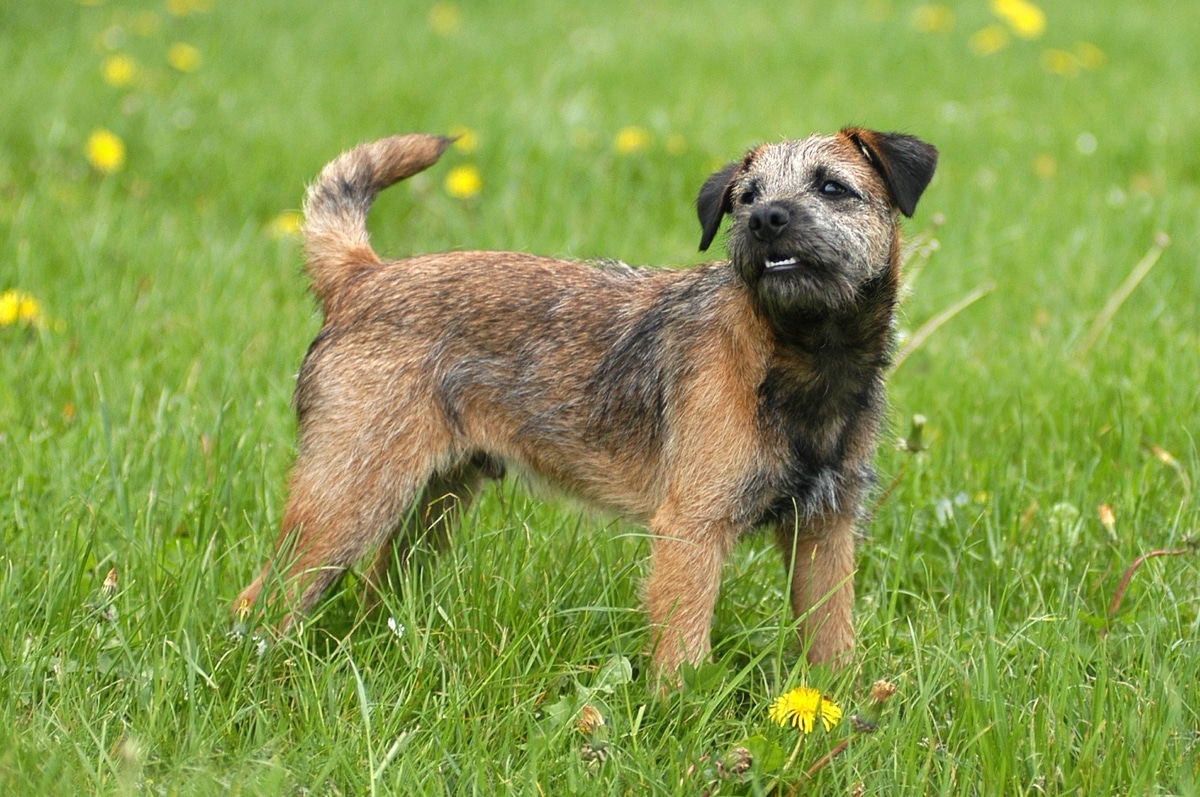
Border Terriers pack more personality into a small frame than most dogs twice their size. Their distinctive otter-shaped head and wiry double coat were shaped by generations of work on the rough terrain of northern England, where they ran alongside foxhounds and disappeared into burrows that larger dogs couldn’t reach. They’re one of the more adaptable terriers, equally happy in a city apartment or a country house, as long as they get enough exercise. Their coat repels dirt well and needs only minimal grooming. Tough, affectionate, and genuinely funny to live with.
Grooming: Strip twice a year or as needed. The coat’s natural oils do a lot of the work. A quick weekly brush is usually enough between strips.
German Wirehaired Pointer
 Shutterstock
This breed means business. The German Wirehaired Pointer was developed in late 19th-century Germany to be the ultimate all-purpose hunting dog, able to point, track, retrieve from water, and handle any terrain. Their weather-resistant wiry coat makes them nearly waterproof and protects against thorns. Those dramatic bushy eyebrows and thick beard aren’t just decorative. They shield the dog’s face during dense brush work. GWPs are intense, loyal, and need serious exercise every day. They thrive with active owners who actually use them for what they were built to do.
Grooming: Brush weekly. The coat naturally repels most dirt. Hand stripping once or twice a year maintains proper texture.
Brussels Griffon
 Shutterstock
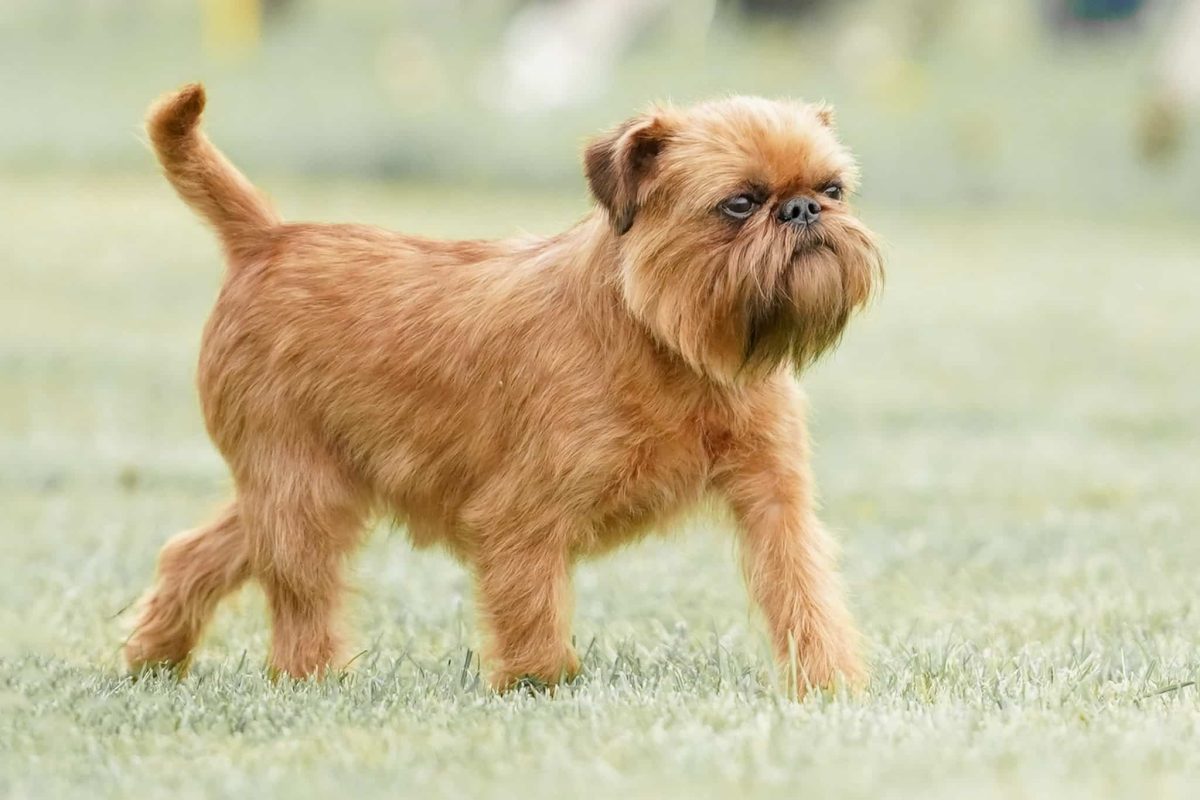
The Brussels Griffon might be one of the smallest dogs you’ll meet, but this breed did not get the memo about acting small. Originally bred to catch rats in Belgian stables, Griffons carry that same alert, fearless confidence in a body that weighs maybe 10 pounds. The rough-coated variety has a wiry, harsh coat that gives them their signature grumpy-chic look. Their flat face, deep-set eyes, and chin whiskers make them look perpetually opinionated. They bond intensely with their people and tend to follow you from room to room like a tiny, judgmental shadow.
Grooming: Hand strip the rough-coated variety 2-3 times a year. Regular brushing to prevent tangles. Their beard can catch food and moisture, so wipe it down regularly.
Airedale Terrier
 Shutterstock
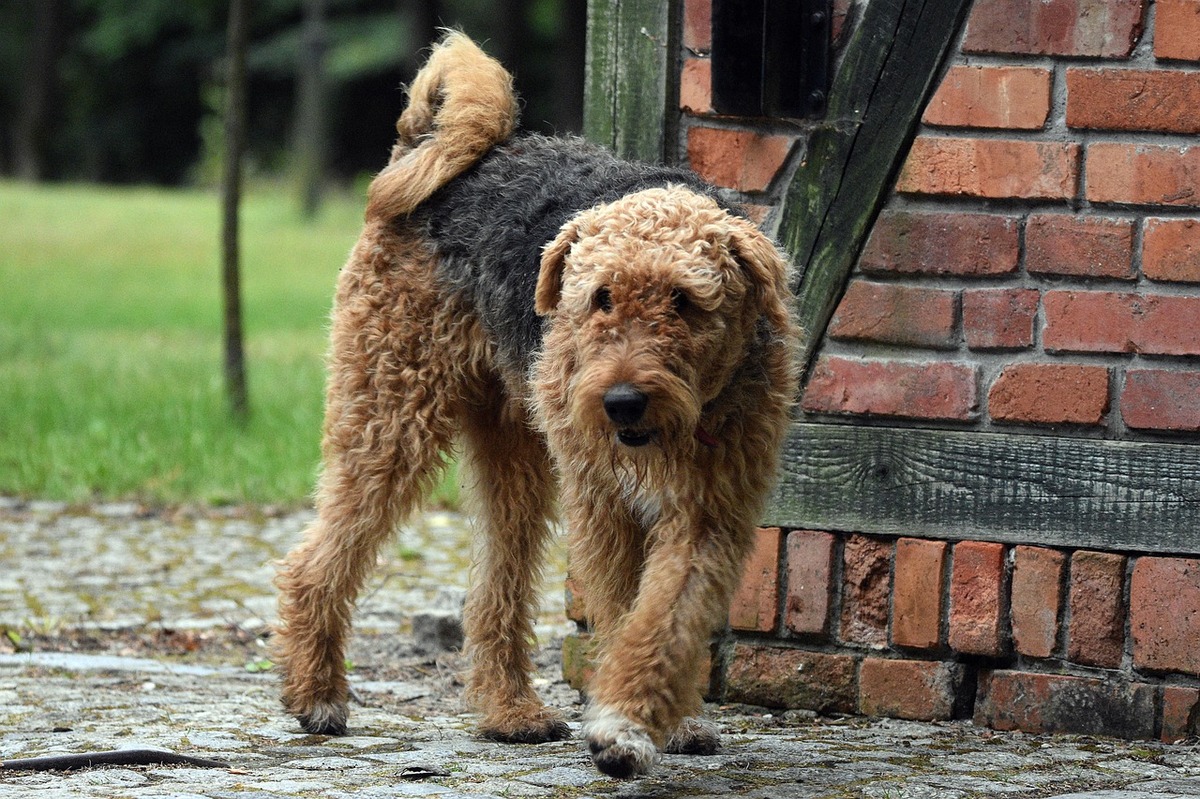
Called the “King of Terriers” for a reason. The Airedale Terrier is the largest terrier breed, standing up to 23 inches tall, and they carry themselves like they know it. Their dense, wiry tan-and-black coat was built for the rivers and moorlands of Yorkshire, where they were bred to hunt otters and rats. Airedales are sharp, opinionated, and funny as anything to live with. They’ve worked as police dogs, military dogs, and hunting companions. That work ethic and bold personality means they need consistent training and plenty of mental stimulation. A bored Airedale is a creative problem-solver, and not always in ways you’ll appreciate.
Grooming: Professional hand stripping 2-3 times per year or regular clipping every 8-10 weeks. Brush weekly to keep the coat tidy between grooming sessions.
Irish Wolfhound
 Shutterstock
The Irish Wolfhound is one of the tallest dog breeds in the world, often standing 30-32 inches at the shoulder, and their shaggy, wiry coat adds to that imposing presence. These dogs were bred to hunt wolves and elk in Ireland, and they carry that history in every inch of their frame. But don’t let the size fool you. Modern Irish Wolfhounds are gentle, calm, and genuinely sweet-natured. They love people, tolerate kids well, and spend a surprising amount of time flopped dramatically across furniture. Their rough, wire-like coat adds texture and substance to their already legendary silhouette.
Grooming: Brush weekly to prevent matting. The coat is low-maintenance compared to many long-coated breeds. Occasional hand stripping helps maintain the rough texture, though many owners clip instead.
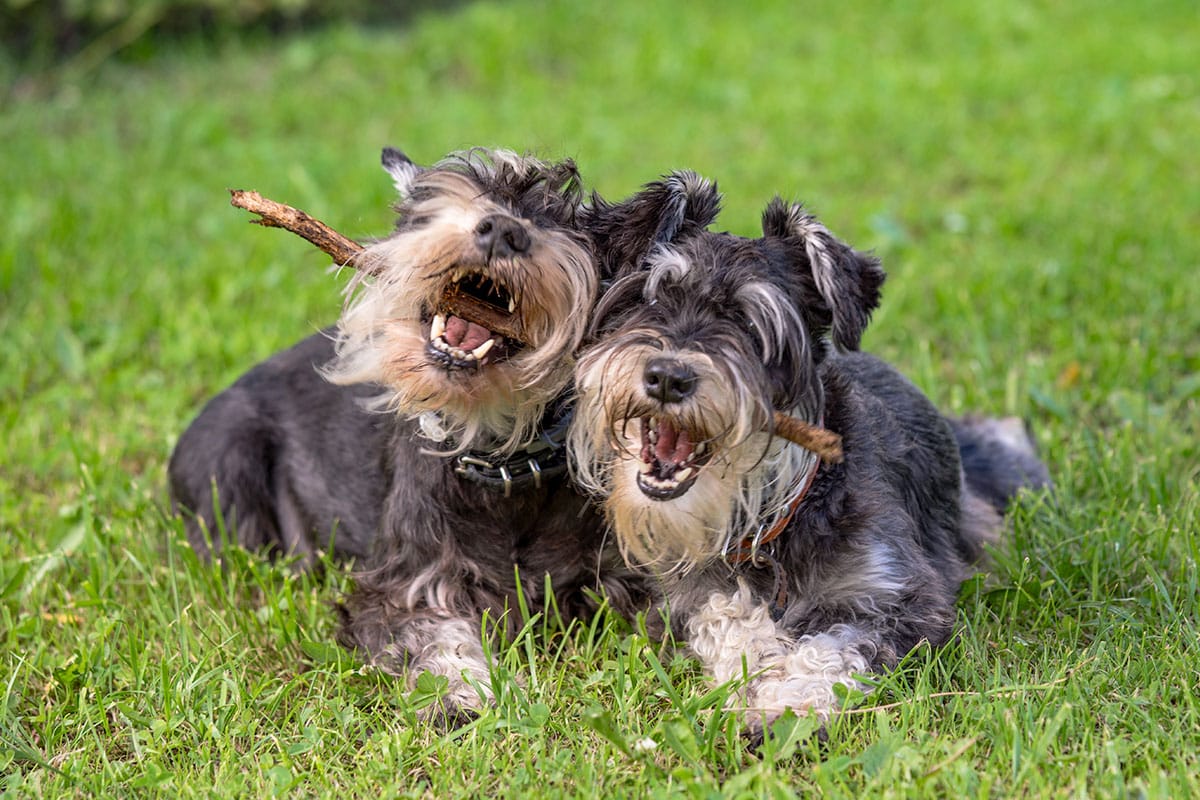
Schnauzer
 Shutterstock
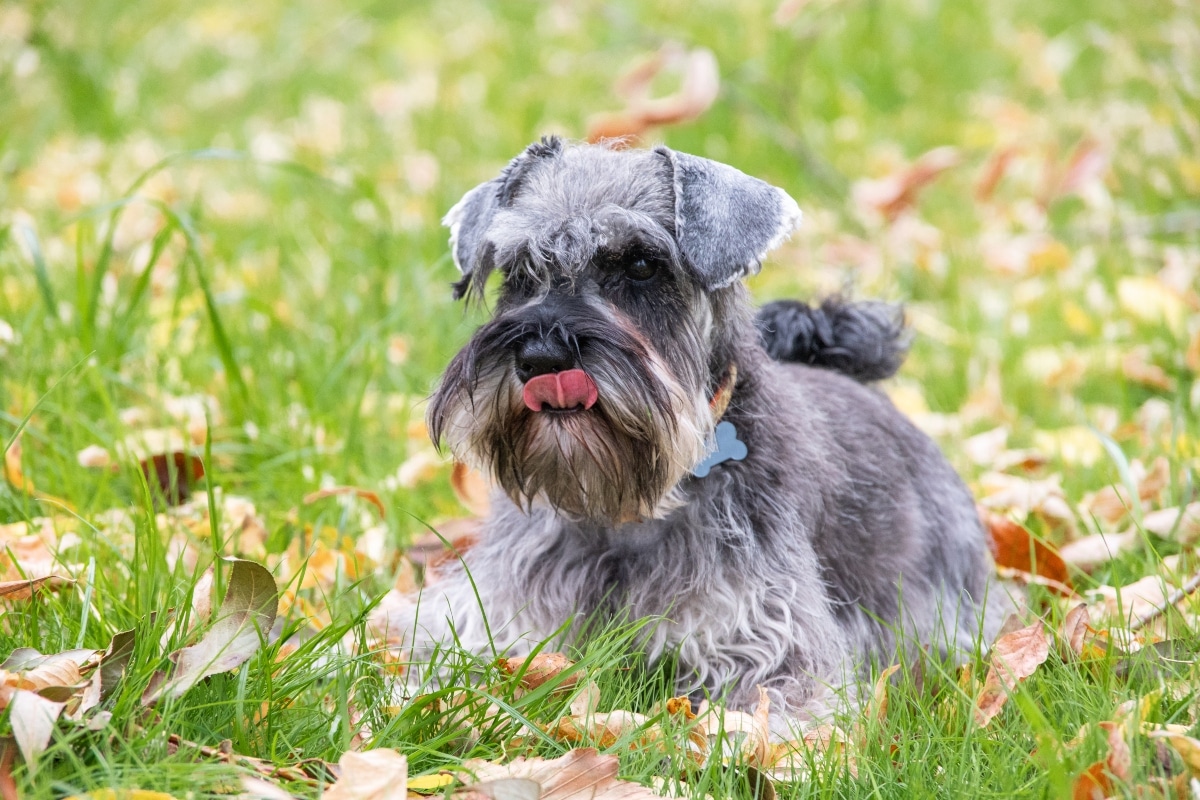
No breed wears a wire coat quite like a Schnauzer. That thick mustache, bushy brow, and stiff wiry body coat come in three sizes: Miniature (12-20 lbs), Standard (30-50 lbs), and Giant (55-85 lbs). All three share the same wiry double coat and the same big personality. They were bred as working dogs, ratters, and guard dogs, and that alert, watchful nature never quite left. Schnauzers are smart dogs that train well when you keep sessions interesting. They get bored with repetition fast. Their low-shedding coat is a real bonus for people sensitive to dog hair.
Grooming: Clip or hand strip every 6-8 weeks. The beard collects food and water and needs regular wiping. Brush weekly to prevent mats in the leg furnishings.
Wirehaired Vizsla
 Shutterstock
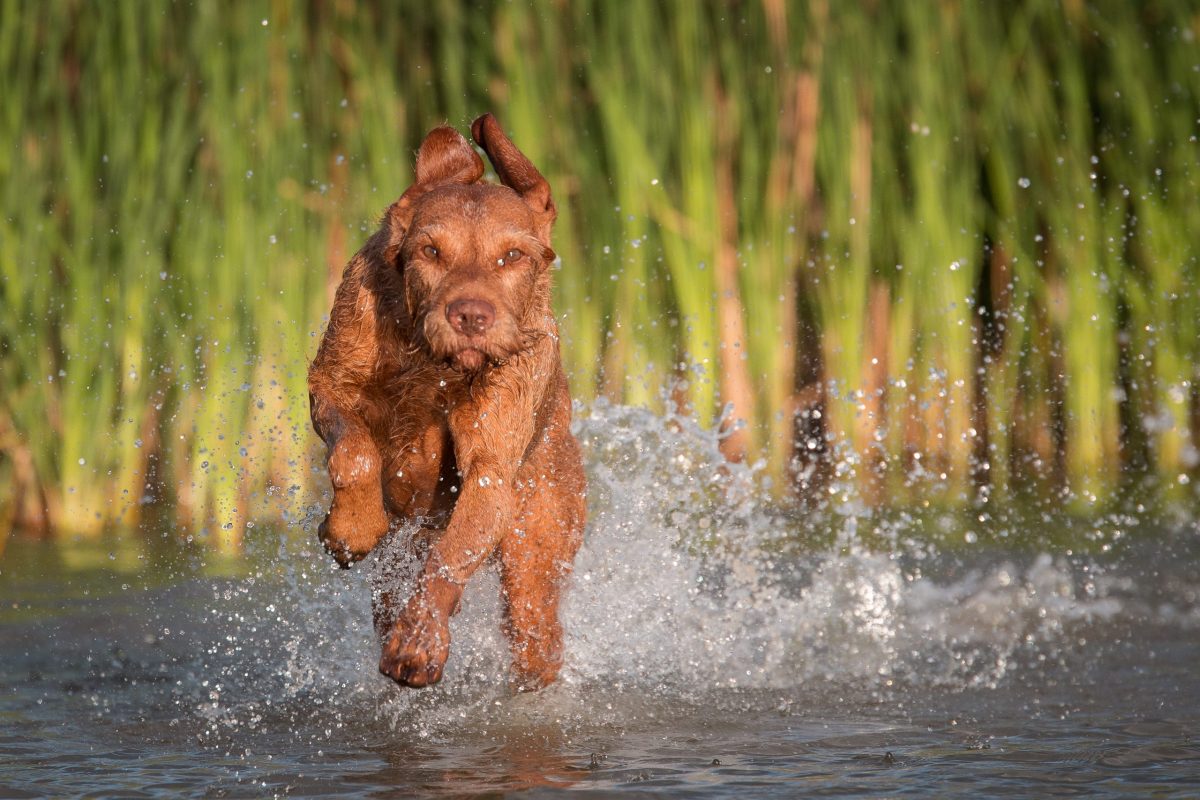
The Wirehaired Vizsla is Hungary’s rougher, more outdoorsy take on the classic Vizsla. Where the smooth-coated version is sleek and elegant, this one looks like it just came back from a weekend in the mountains. Their russet-gold wiry coat adds insulation and protection for cold weather hunting, and their facial furnishings give them a warm, expressive look. They’re intensely affectionate dogs that don’t do well with long hours alone. Plan on 1-2 hours of real exercise daily. In return, you get one of the most devoted, loving dogs on this list.
Grooming: Weekly brushing keeps the coat clean. Hand strip once or twice a year to maintain texture. Very low shedding compared to other sporting breeds.
Scottish Terrier
 Shutterstock
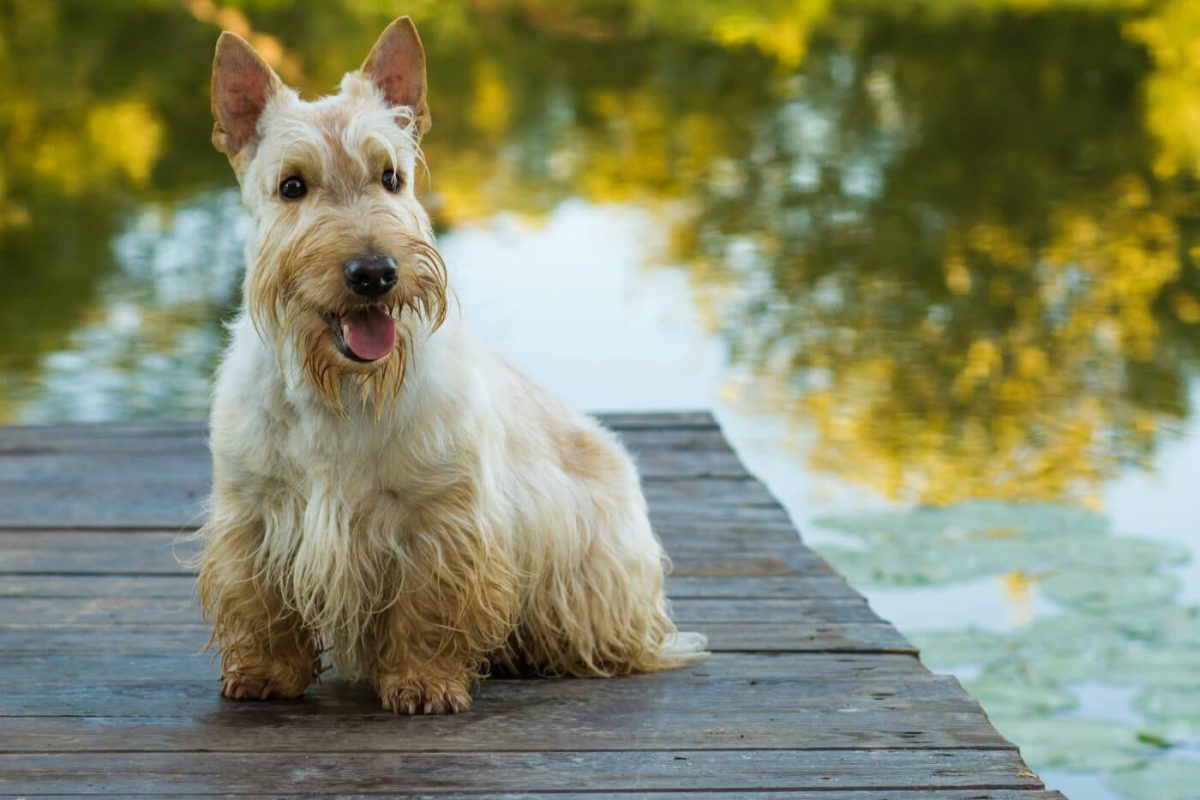
The Scottish Terrier has one of the most recognizable silhouettes in the dog world. That compact, low-slung body, upright ears, and thick wiry coat all come together into something that looks like it was drawn by a cartoonist. But the personality is completely genuine: bold, independent, stubborn in the best way, and loyal to the point of being a little possessive. Scotties were bred to hunt vermin in the Scottish Highlands, and they still have the instinct to dig, chase, and investigate anything suspicious. They’re not naturally social with strangers but bond fiercely with their family.
Grooming: Hand strip twice a year to keep the harsh texture. Clipping is easier but softens the coat. Regular brushing of the leg and belly furnishings prevents matting.
Wirehaired Dachshund
 Shutterstock
The Dachshund is already a fan favorite, and the wirehaired variety adds even more character. That bristly, coarse outer coat and little beard give them a rough, dignified look that the smooth and long-haired varieties can’t match. Under those scruffy features is the same brave, stubborn, playful Dachshund everyone loves, just with extra texture. The wire coat also makes them hardier in cooler weather. Wirehaired Dachshunds are said to be slightly bolder and more terrier-like in personality compared to their smooth-coated siblings, which tracks given they were originally crossed with terrier breeds to achieve that coat.
Grooming: Brush 1-2 times weekly. Hand strip once or twice a year. The beard and eyebrows may need occasional trimming between sessions.
Otterhound
 Shutterstock
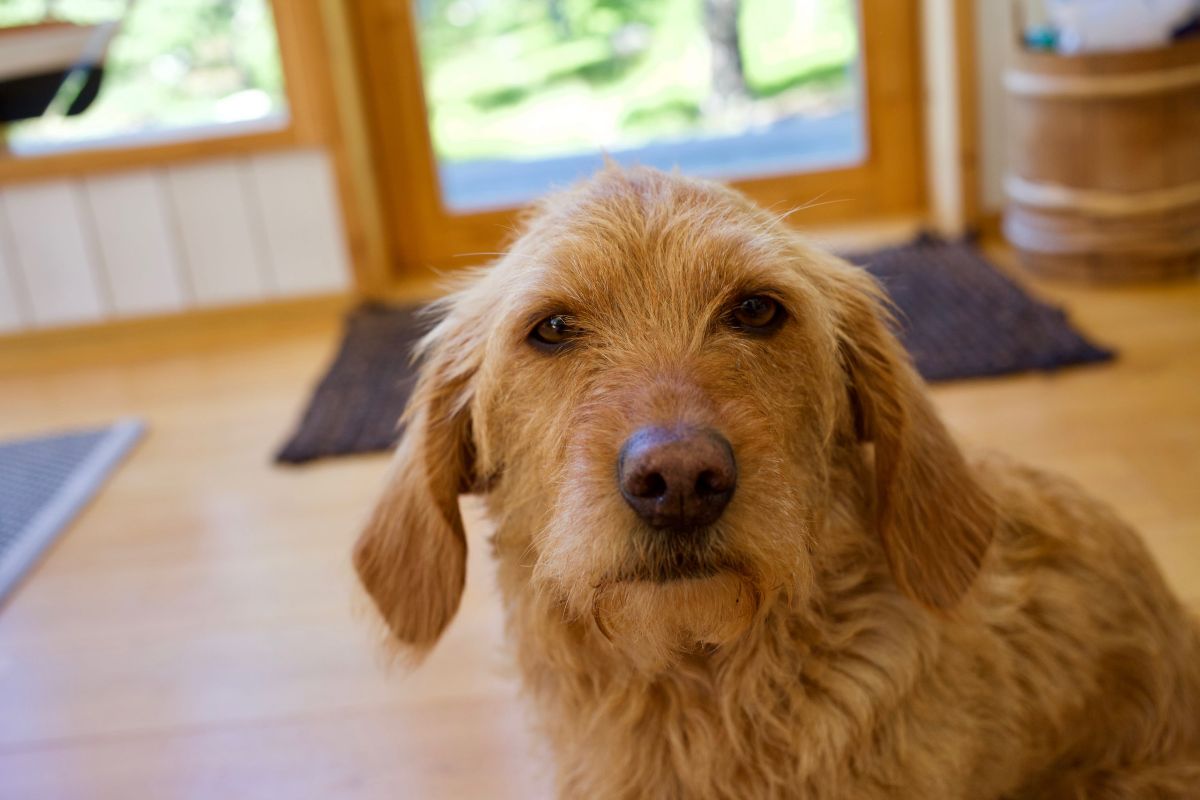
The Otterhound is one of the rarest dog breeds in the world, with fewer than 1,000 estimated to exist globally. Their dense, oily, rough-textured coat was built to keep them warm and insulated during hours of swimming in cold rivers while hunting otters. That same waterproof coat gives them a wonderfully shaggy, tousled look that matches their goofy, affectionate personality perfectly. They’re big dogs, 65-115 lbs, with the energy for long walks and the calmness to settle at home. Their nose is extraordinary, one of the strongest tracking noses in the canine world.
Grooming: Weekly brushing is enough for most, though the beard traps water and needs regular drying to prevent skin issues. Occasional stripping maintains the coat’s natural texture.
Dandie Dinmont Terrier
 Shutterstock
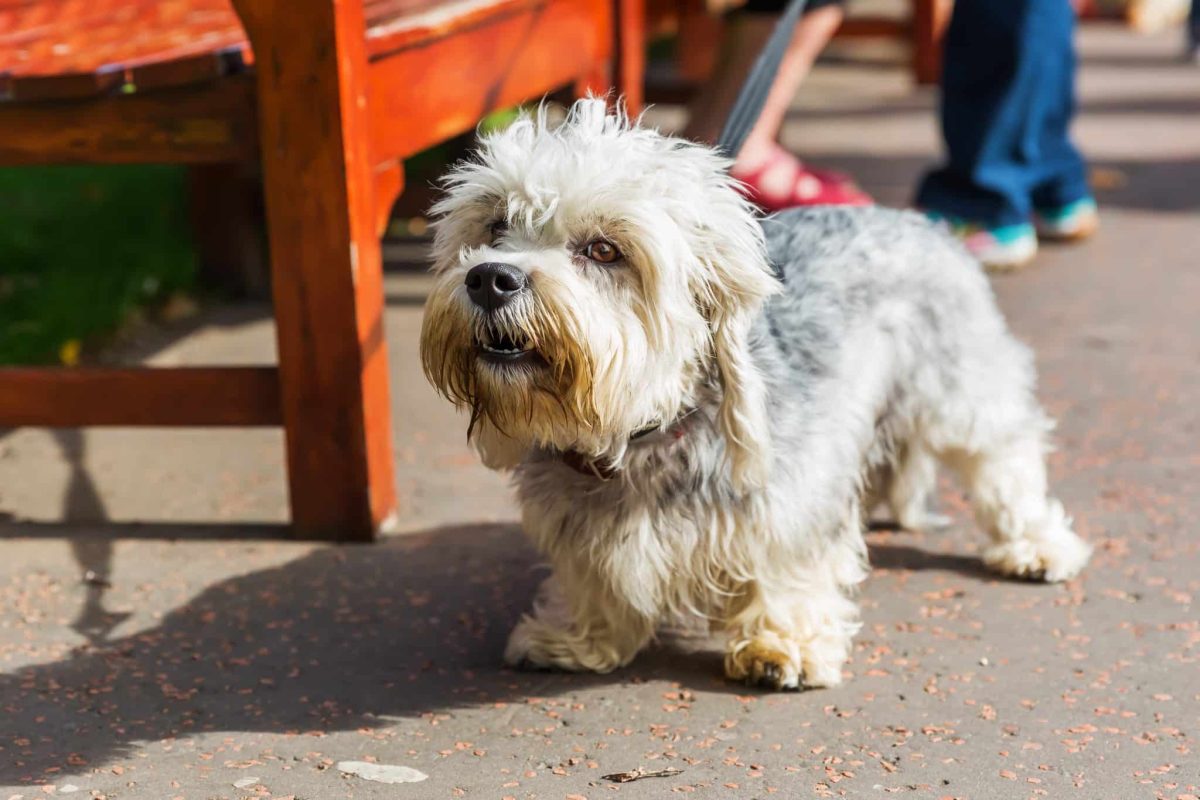
Dandie Dinmont Terriers are the eccentric professors of the terrier world. Their body is long and low, their wiry topcoat is mixed with a crisp texture, and their signature puff of silky hair on top of their head looks like something between a topknot and a tiny cloud. The name comes from a fictional character in an 1815 Sir Walter Scott novel, which tells you something about how long these dogs have been charming people. They were bred to hunt badgers and otters in the Scottish Borders, and that fearless, tenacious spirit is still very much alive. They’re affectionate at home but assertive enough to handle anything.
Grooming: The coat is a mix of hard and soft hair. Hand strip the back coat twice a year. The head topknot needs careful brushing to prevent tangling.
Irish Terrier
 Shutterstock
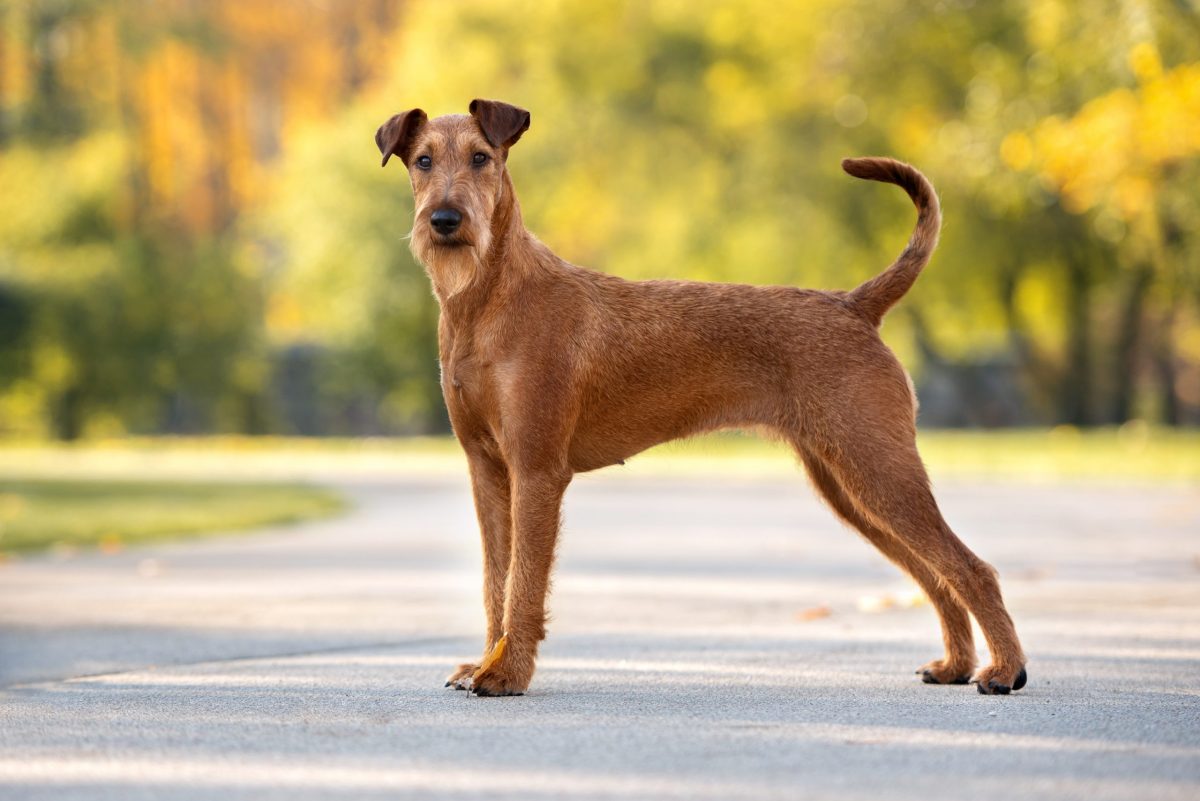
The Irish Terrier looks like a small flame that decided to become a dog. Their dense, wiry coat comes in shades of bright red, wheaten, or red-wheaten, and that fiery look matches their fiery personality. These dogs earned the nickname “daredevil” during World War I, where they served as messengers on the front lines. They’re loyal almost to the point of recklessness, and they’re not afraid of anything, including dogs much larger than they are. Their chin whiskers and wiry coat give them a handsome, distinguished look that turns heads wherever they go.
Grooming: Hand strip twice a year to maintain that brilliant color and harsh texture. Clipping tends to dull the red coloring over time, which is why show dogs are always hand stripped.
Lakeland Terrier
 Shutterstock
Lakeland Terriers are built like a coiled spring. Small, tight, fast, and always ready. They were developed in the Lake District of England to hunt foxes in the rocky fells alongside farmers protecting their sheep during lambing season. Their dense, wiry coat let them squeeze through rocky crevices and fight off whatever they found inside. Today they’re spirited, clever companions who thrive on activity and don’t love being ignored. Their whiskers, beard, and upright ears give them an irresistibly expressive face. They’re one of the most agile terriers, consistently performing well in dog sports like agility.
Grooming: Hand strip or clip every 8-10 weeks. The coat doesn’t shed much, but it grows continuously and needs regular attention to stay looking sharp.
Spinone Italiano
 Shutterstock
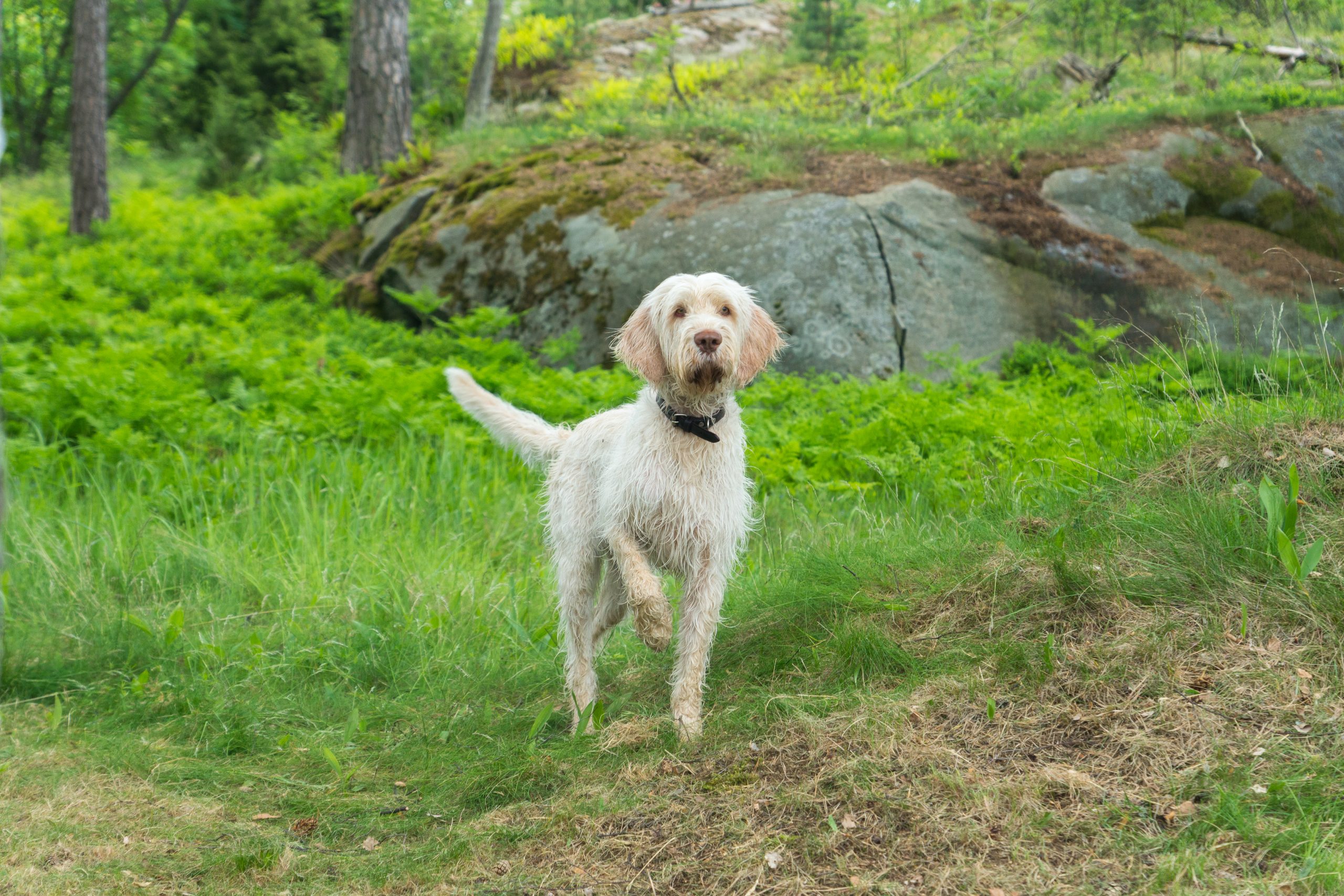
The Spinone Italiano is one of the oldest hunting breeds in Italy, with records going back to at least the 15th century. Their thick, coarse wire coat is nearly thorn-proof, built for pushing through dense underbrush in rough Italian terrain. The Spinone is a gentle giant with a perpetually kind, almost sad expression created by their droopy eyes, bushy brows, and thick beard. They’re patient, calm, and affectionate at home, but put them in the field and they become methodical, determined hunters. These are big dogs, typically 60-85 lbs, and they need space but not excessive exercise compared to other sporting breeds.
Grooming: Very low maintenance for a wire-coated breed. Weekly brushing and occasional hand stripping keeps the coat healthy. The beard absorbs everything and needs frequent wiping.
Welsh Terrier
 AI-generated image
The Welsh Terrier looks strikingly similar to the Airedale Terrier, but in a much more manageable package. They typically weigh 20-22 lbs and carry that same classic tan-and-black wire coat that makes the terrier family so recognizable. Welsh Terriers were bred to hunt fox, otter, and badger in the rugged hills of Wales, and they still have that focused, tenacious energy. They’re calmer than many terriers but absolutely not couch potatoes. They’re good with kids, get along reasonably well with other dogs, and genuinely enjoy training as long as it doesn’t get repetitive. One of the more underrated picks on this list.
Grooming: Hand strip twice a year or clip every 8 weeks. The coat doesn’t shed much, making Welsh Terriers a solid choice for owners who want a wire-coated dog with manageable upkeep.
Jack Russell Terrier
 AI-generated image
The rough-coated Jack Russell Terrier is a whirlwind in a small body. These dogs were bred by Reverend John Russell in 19th-century England specifically to hunt foxes, and they’re still running on that original factory setting: fast, fearless, and always looking for something to do. The rough and broken-coated varieties have a wiry outer coat that gives them a scruffier, more rugged look than the smooth-coated version. They’re brilliant little dogs, among the most intelligent in any size category, but that intelligence needs a serious outlet. Without enough mental and physical activity, a Jack Russell will redecorate your house on their own terms.
Grooming: The rough-coated variety needs hand stripping 1-2 times per year. Brush weekly. Minimal shedding, though the broken coat can drop some hair between strips.
Wire-Haired Coat Care Cheat Sheet
| Grooming Task | Frequency | Notes |
|---|---|---|
| Hand stripping | 2-3x per year | Preserves harsh texture and coat color |
| Clipping (alternative) | Every 6-10 weeks | Easier but softens coat texture over time |
| Brushing | 1-2x per week | Use a slicker or pin brush |
| Beard/face cleaning | After each meal | Prevents staining and skin irritation |
| Bath | Every 4-8 weeks | Use a shampoo formulated for wire coats |
| Nail trimming | Every 3-4 weeks | Active dogs wear nails down faster |
 AI-generated image
Frequently Asked Questions About Wire Haired Dog Breeds
What are the most popular wire haired dog breeds?
The most popular wire haired dog breeds include the Miniature Schnauzer, Wire Fox Terrier, Border Terrier, and Scottish Terrier. The Miniature Schnauzer consistently ranks among the top 20 most popular breeds in the US thanks to its manageable size, low shedding, and big personality. The Border Terrier has grown steadily in popularity as a city-friendly dog that’s tough enough to handle outdoor adventures.
Do wire haired dogs shed a lot?
Most wire haired dog breeds shed very little compared to smooth or long-coated dogs. The wiry outer coat naturally traps loose hair rather than releasing it into the environment. That’s one reason so many owners with allergies or a preference for cleaner homes gravitate toward them. That said, you’ll still want to brush them weekly to remove trapped dead hair and keep the coat healthy.
Are wire haired dogs hypoallergenic?
No dog is truly 100% hypoallergenic, but wire haired breeds are among the better options for allergy sufferers. Their low-shedding coats release less dander into the environment. Breeds like the Miniature Schnauzer, Welsh Terrier, and Wirehaired Vizsla are often recommended for people with mild dog allergies. If allergies are a concern, spend time with the specific breed before committing, since individual reactions vary.
What is hand stripping for wire haired dogs?
Hand stripping is the process of pulling dead outer coat hair out by hand, rather than cutting it. It’s the traditional grooming method for wire-coated breeds and it preserves the coat’s harsh texture and natural color. When a wire coat is clipped instead of stripped, the hair becomes soft and loses its characteristic roughness. Most professional groomers can hand strip, but it takes more time than clipping, so expect to pay more for it. For show dogs, hand stripping is essential. For pets, many owners choose clipping for convenience.
Are wire haired dogs good family pets?
Most wire haired dog breeds make excellent family pets, especially breeds like the Border Terrier, Miniature Schnauzer, and Lakeland Terrier. They’re typically energetic, playful, and loyal. Terrier breeds specifically do best in homes where someone is active and engaged with them daily. A few, like the Scottish Terrier and Dandie Dinmont, are more independent and may be better suited to older children or adults. Size matters too: the Irish Wolfhound and German Wirehaired Pointer need more space and exercise than the smaller terrier breeds.
How much exercise do wire haired dog breeds need?
It depends on the breed, but most wire haired dogs were bred to work, so they need more exercise than average. Terrier breeds need at least 45-60 minutes of vigorous activity daily. Sporting breeds like the German Wirehaired Pointer or Wirehaired Vizsla need 1-2 hours of hard exercise every day. The Irish Wolfhound and Spinone Italiano are more moderate, happy with 30-45 minutes of walking. If you’re a runner, hiker, or outdoors person, wire-haired breeds will love your lifestyle.
 Shutterstock
The Bottom Line on Wire Haired Dog Breeds
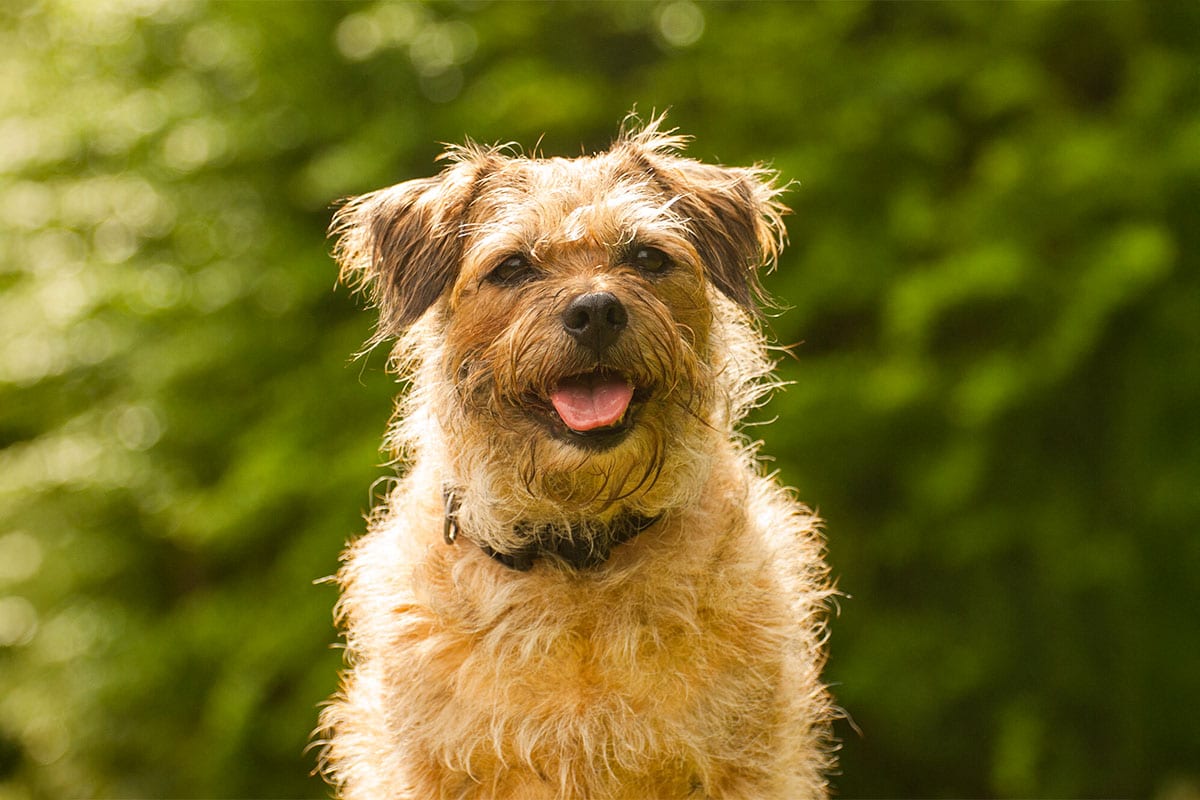
Wire haired dog breeds come in every size and energy level, from the pocket-sized Brussels Griffon to the massive Irish Wolfhound. What they share is a coat built for real work and a personality to match. Rough, ready, and genuinely fun to live with.
Whether you want a large dog that can keep up on long hikes or a scrappy little terrier to share a city apartment with, there’s a wire-haired breed on this list that fits. Most of them shed very little, which is a bonus. But they do need regular grooming, whether that’s hand stripping or professional clipping, to keep the coat healthy and looking its best.
If you’re drawn to that scruffy, bristly, slightly disheveled look, you’re in good company. These dogs wear it like a badge of honor.
 Toledo, United States.