
You’ve probably heard the term “dwarf dog” tossed around loosely to describe any small pup with stubby legs. But there’s a real biological distinction here. True dwarf dog breeds carry a specific genetic mutation that shortens their limb bones while leaving the rest of their body normal-sized. Not every small dog qualifies. And knowing the difference matters a lot if you’re picking a breed or managing your dog’s health.
This guide covers the 12 true dwarf dog breeds recognized for achondroplasia or chondrodystrophy, what makes them genetically unique, and exactly what health challenges come with that compact frame. Whether you already own one of these dogs or you’re just curious, there’s a lot more to their short legs than you might think.
What Is Chondrodystrophy? A Quick Science Break
Chondrodystrophy (also called achondroplasia in its classic form) is a genetic condition that disrupts the normal development of cartilage into bone. In dogs, a retrotransposon insertion on chromosome 18 causes abnormally high expression of FGF4 (fibroblast growth factor 4), which slows the growth plates in the limb bones. The result: short, curved legs on a full-sized body. This gene variant, called chondrodystrophy (CDDY), appears in at least 19 dog breeds. Some breeds have a second variant, chondrodysplasia (CDPA), which further shortens the legs without necessarily curving them. Both variants increase the risk of intervertebral disc disease (IVDD), a serious spinal condition that all owners of dwarf breeds should know about.
The 12 True Dwarf Dog Breeds
#1 – Dachshund

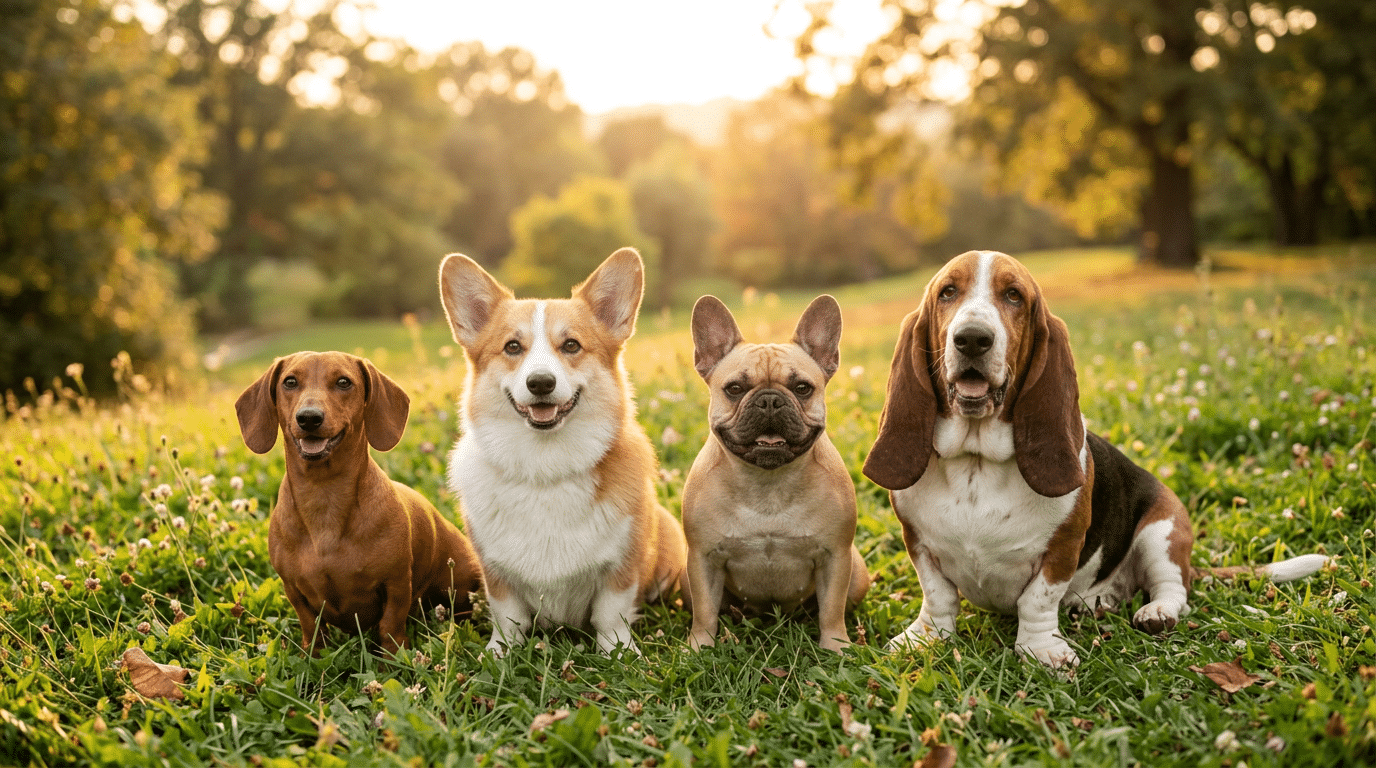
The Dachshund might be the most famous dwarf breed on the planet. Originally bred in Germany to dig into badger dens and flush out prey, those short legs were a job requirement. The breed comes in two sizes (standard and miniature) and three coat types (smooth, wirehaired, and longhaired), but all Dachshunds are achondroplastic.
Temperament-wise, they’re bold, curious, and surprisingly stubborn for their size. Don’t let the little body fool you; a Dachshund will challenge you on the training front if you’re not consistent. They bond deeply with their people and can be prone to separation anxiety.
The biggest health concern is IVDD. Their long spine, combined with short, slightly curved legs, puts enormous stress on the intervertebral discs. Roughly 25% of Dachshunds will experience some degree of disc disease in their lifetime. Keeping a Dachshund at a healthy weight is one of the most effective things you can do to protect their spine. Ramps instead of stairs, no high jumps, and regular vet checkups are essential.
#2 – Pembroke Welsh Corgi
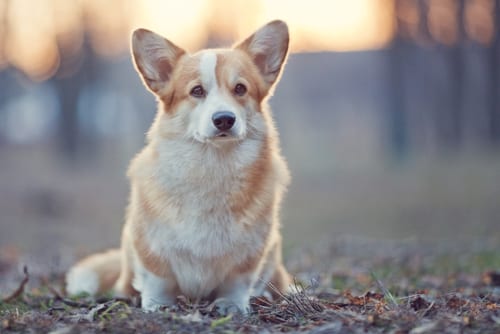
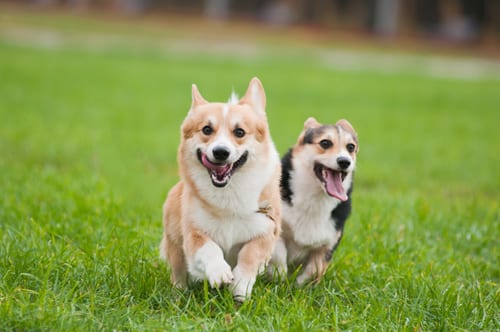
The Pembroke Welsh Corgi was built to herd cattle by nipping at their heels and ducking below kicks. Those low-slung legs? Pure working design. Today’s Pembroke is more likely to be a family companion or Instagram celebrity than a farm dog, but that herding drive hasn’t gone anywhere.
Pembrokes are smart, energetic, and vocal. They need real exercise daily, not just a short walk. They’ll also try to herd children and small animals if you let them. On the health side, IVDD is a concern here too, and Pembrokes can develop degenerative myelopathy (a progressive neurological disease) as they age. Hip evaluations and genetic screening matter when you’re buying from a breeder.
#3 – Cardigan Welsh Corgi
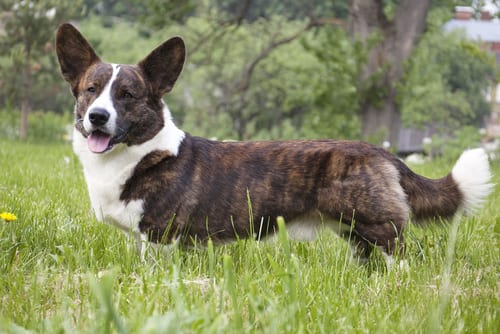
The Cardigan is the older of the two Corgi breeds, with a history stretching back over 3,000 years in Wales. You can tell a Cardigan from a Pembroke by its long, fox-like tail and slightly larger, more rounded ears. Both are achondroplastic, but they’re actually distinct breeds that developed separately.
Cardigans tend to be a bit more laid-back than Pembrokes, though they’re still highly intelligent and need mental stimulation. They’re adaptable dogs that do well in apartments if they get enough exercise. Like all chondrodystrophic breeds, regular spine checkups and weight management are key parts of keeping a Cardigan healthy long-term.
#4 – Basset Hound
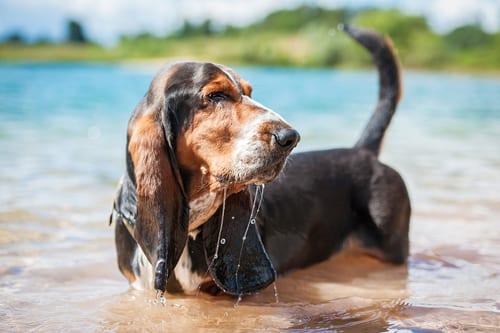
The Basset Hound is essentially a dwarfed Bloodhound. The name “Basset” comes from the French word bas, meaning “low.” French hunters developed the breed to track game at a pace a person could follow on foot. Their long, heavy ears actually serve a purpose: they sweep scent up toward the nose as the dog moves.
Bassets are gentle, patient, and famously easygoing. They’re among the more independent-minded breeds when it comes to training, since their nose will always be competing for their attention. Health-wise, their low body and heavy bones put extra stress on joints, and obesity is a real risk. Ear infections are also common given how those long ears trap moisture.
#5 – French Bulldog
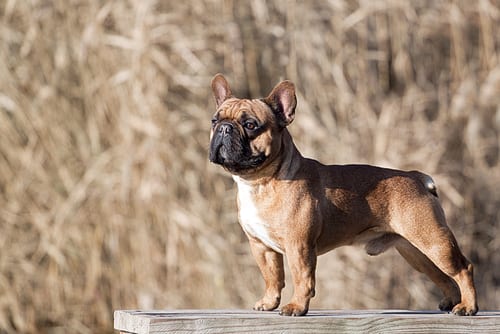
French Bulldogs get their compact, muscular frame from achondroplasia, which gives them shorter legs and a broader, heavier build relative to their height. The breed originated from crossing English Bulldogs with French rat-hunting dogs in the 19th century, and it’s now one of the most popular breeds in the US.
Frenchies are affectionate, playful, and surprisingly adaptable. They do well in city apartments and don’t need a ton of exercise. But that flat face (brachycephaly) is a separate genetic condition layered on top of the chondrodystrophic traits, and it creates its own set of breathing challenges. The wide range of French Bulldog colors has helped drive their popularity, but health should always come before coat color when choosing a pup. Reputable breeders health-test for spinal, hip, and respiratory issues.
#6 – English Bulldog
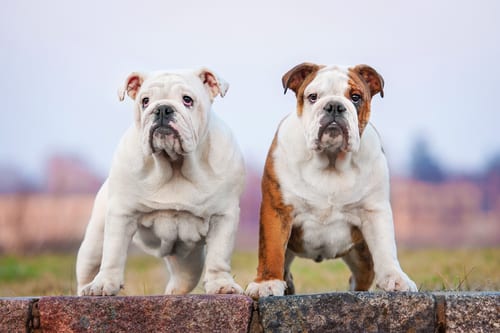
The English Bulldog carries two forms of dwarfism: achondroplasia, which shortens and bows the limbs, and a separate condition affecting skull shape. That combination gives the breed its signature wide stance, pushed-in face, and low-to-the-ground profile. Despite the tough-looking exterior, Bulldogs are about as laid-back as dogs get.
They’re loyal, calm, and great with kids, but they come with a laundry list of health considerations. Breathing issues from their flat face, joint problems from their heavy frame, skin fold infections, and heat sensitivity are all real concerns. This is a breed where choosing a health-focused breeder makes an enormous difference in quality of life for the dog.
#7 – Pug
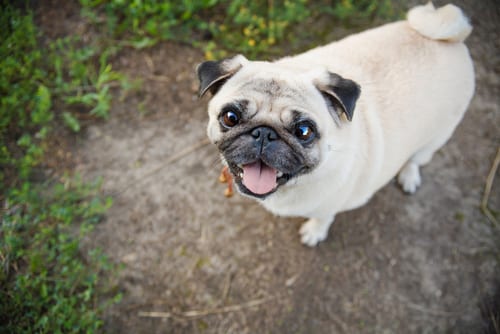
Pugs originated in China, where they were prized companions of emperors, and arrived in Europe via Dutch traders in the 16th century. Like the English Bulldog, Pugs carry both chondrodystrophy and brachycephaly, which is why they have both shortened legs and a compressed muzzle.
They’re charming, funny, and deeply attached to their families. Pugs want to be wherever you are, and that’s both their greatest quality and their biggest challenge for owners who travel or work long hours. Feeding a Pug puppy the right diet early on matters a lot, since they’re prone to obesity and that extra weight stresses their joints and breathing. Regular vet visits to monitor eye health, breathing, and spine are non-negotiable with this breed.
#8 – Scottish Terrier
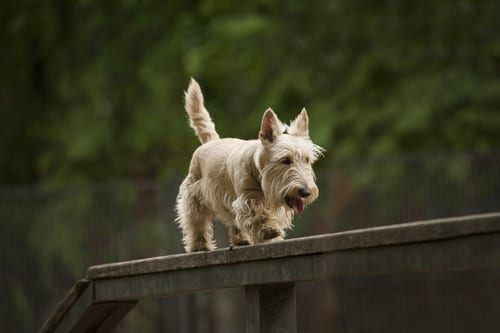
The Scottish Terrier was developed in Scotland to hunt foxes, badgers, and rats on rough terrain. That low clearance made it easier to dig into burrows and navigate rocky hillsides. Several US presidents owned Scotties, which helped cement the breed’s reputation in America.
Scotties are independent, dignified, and feisty. They know what they want and aren’t shy about it. They’re devoted to their families but can be aloof with strangers and don’t always get along with other dogs. With a typical lifespan of 11-13 years, Scotties are generally hardy, though they’re susceptible to Scottie cramp (a muscle disorder) and bladder cancer at higher rates than most breeds.
#9 – Skye Terrier
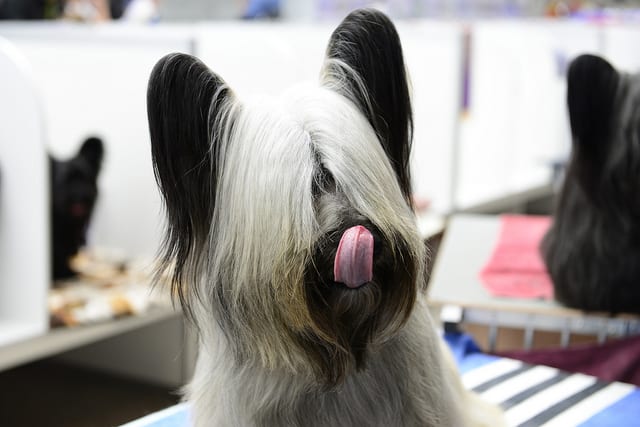 Photo by Chris Phutully via Flickr.
The Skye Terrier comes from the Isle of Skye off Scotland’s northwest coast, where hunters used them to chase otters and foxes through rocky, rugged terrain. Their long, silky coat is striking, and documentation of the breed dates to the 1500s. They’re one of the oldest terrier breeds still in existence today.
Skye Terriers are loyal and sensitive, forming intense bonds with their owners. But they’re not the most social of dogs; they can be wary of strangers and often don’t warm up to people outside their immediate family. Grooming that long coat takes real commitment. As a chondrodystrophic breed, Skyes shouldn’t be over-exercised when young, since their growth plates need time to develop properly.
#10 – Dandie Dinmont Terrier
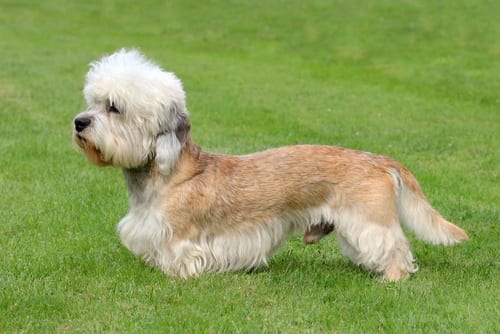
The Dandie Dinmont is one of the most unusual-looking dogs you’ll encounter. Named after a character in an 1815 Walter Scott novel, it was bred in the border country between Scotland and England for hunting otters and badgers. That distinctive curved top line and big round head set it apart from every other terrier.
Dandies are affectionate and surprisingly calm for terriers, though they’ll still dig and chase given the chance. They’re good apartment dogs if they get regular walks. They’re also one of the rarest dog breeds in the world; the AKC routinely puts them near the bottom of registration numbers. If you want a conversation-starter dog that’s also a genuinely good companion, the Dandie Dinmont delivers.
#11 – Glen of Imaal Terrier
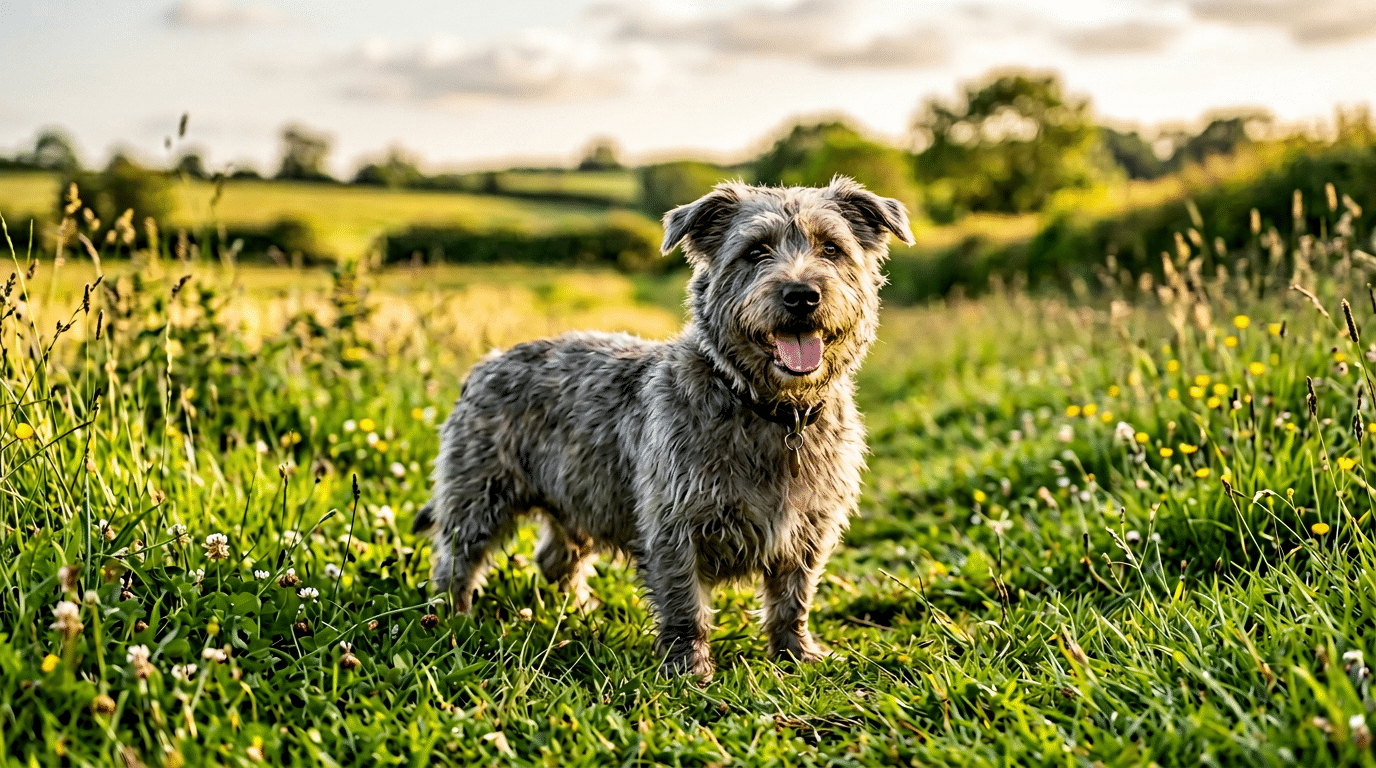
The Glen of Imaal Terrier comes from the Glen of Imaal, a remote valley in County Wicklow, Ireland. For centuries, farmers there used these sturdy little dogs to hunt badgers, foxes, and rats, and even turn kitchen turnspit wheels (yes, really). They’re tough, tenacious workers in a surprisingly compact package.
Glens are low-energy compared to most terriers, which makes them more manageable as house dogs. They’re quiet, patient, and surprisingly gentle with children. But don’t mistake calm for pushover. They’re still terriers at heart, with a strong prey drive and definite opinions. As a chondrodystrophic breed, they carry IVDD risk, and owners should avoid activities that put heavy impact on the spine. Glens are rare outside of Ireland and the UK, so finding a reputable breeder takes some effort.
#12 – Sealyham Terrier
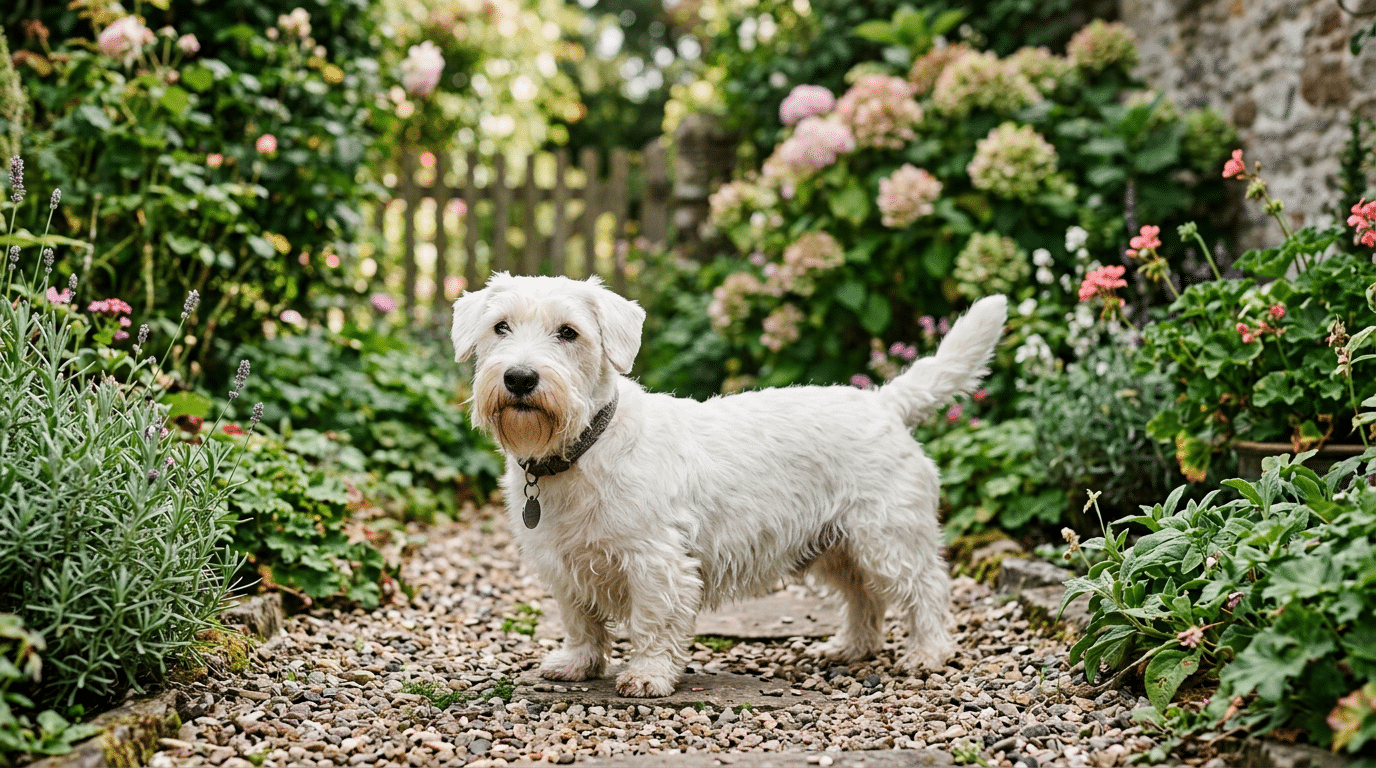
The Sealyham Terrier was developed in Wales in the mid-1800s by Captain John Owen Tucker-Edwardes, who wanted a tough, low-bodied dog capable of hunting otters, foxes, and polecats in dense ground cover. The result is a sturdy white terrier with short, strong legs and a no-nonsense attitude.
Sealyhams are calmer and more adaptable than most terriers, making them reasonable choices for apartment living. They can be stubborn in training but respond well to patience and positive reinforcement. Like the Glen of Imaal, they carry chondrodystrophic genetics and the associated IVDD risk. They’re also quite rare now; the breed nearly disappeared after World War II and still sits near the bottom of AKC registrations. If you love low-slung, tenacious working dogs, the Sealyham is worth researching.
Key Health Considerations for Dwarf Dog Breeds
| Condition | Breeds Most Affected | What To Do |
|---|---|---|
| Intervertebral Disc Disease (IVDD) | All chondrodystrophic breeds, especially Dachshund, Basset, Corgis | Use ramps, limit jumping, maintain healthy weight, consider spinal X-rays at age 3+ |
| Brachycephalic Syndrome | Pug, English Bulldog, French Bulldog | Avoid heat, don’t over-exercise, discuss surgical correction with vet if breathing is labored |
| Obesity | All dwarf breeds | Measure food portions, limit treats, weigh monthly |
| Hip and Elbow Problems | Basset Hound, Bulldog breeds | Ask breeders for OFA certifications, keep joints mobile with low-impact activity |
| Eye Conditions | Pug, Dandie Dinmont, Skye Terrier | Annual eye exams, keep wrinkles around eyes clean and dry |
Frequently Asked Questions About Dwarf Dog Breeds
What makes a dog a “true” dwarf breed?
A true dwarf breed carries a specific genetic mutation (typically a retrotransposon insertion near the FGF4 gene) that causes disproportionate shortening of the limb bones. This is called chondrodystrophy or achondroplasia. It’s different from a generally small dog, where the whole body is scaled down. In true dwarf breeds, the body is normal-sized but the legs are shortened.
Are dwarf dog breeds prone to back problems?
Yes. The same genetic variant that shortens the legs also increases the risk of intervertebral disc disease (IVDD). The discs between spinal vertebrae tend to calcify and herniate earlier in chondrodystrophic breeds than in other dogs. The Dachshund is the most studied example, with roughly 25% developing some degree of disc disease. Other breeds like Basset Hounds, Corgis, and Bulldogs carry similar risk.
Can you prevent IVDD in a dwarf dog breed?
You can’t eliminate the risk entirely, but you can reduce it significantly. Keep your dog at a healthy weight (excess weight multiplies spine stress). Use ramps or steps instead of letting them jump on and off furniture. Avoid activities with high-impact landing. Ask your vet about baseline spinal imaging at age 2-3 to catch early disc changes before they become emergencies.
Are dwarf dog breeds good family pets?
Most of them are excellent family dogs. Corgis, Dachshunds, French Bulldogs, Pugs, and Basset Hounds are all known for being affectionate, social, and good with kids. The terrier breeds on this list (Skye, Dandie Dinmont, Glen of Imaal, Sealyham, Scottie) are loving but more independent and better suited to families with some dog experience.
Do all dog breeds with short legs have dwarfism?
Not exactly. Some small breeds like Chihuahuas, Miniature Pinschers, and Toy Fox Terriers are just naturally small, with no dwarfism involved. Others are selectively bred for proportional smallness. True dwarf breeds are specifically those with disproportionate shortening, where the limbs are abnormally short relative to a standard body size.
Bottom Line
True dwarf dog breeds are among the most popular dogs in the world, and for good reason. They’re affectionate, adaptable, and full of personality. But those short legs come with real biological trade-offs that every owner should understand before bringing one home.
IVDD is the big one. If you own or plan to own a chondrodystrophic breed, talk to your vet about a proactive spine management plan. The good news: with smart weight management, careful activity choices, and regular checkups, most of these dogs live long, happy lives. The Dachshund, Corgi, or Frenchie you’re eyeing will likely be your loyal companion for 12-15 years if you give them the right care.
Want to dig deeper into specific breeds? The complete guide to Dachshund colors and patterns covers everything about the most iconic dwarf breed. And if you’re comparing breeds in terms of long-term commitment, here’s how dwarf breeds compare in terms of lifespan to other popular dogs.
