
 Shutterstock
You head to bed, call your dog up like always, and he just… wanders to the hallway instead. Or you wake up to find your dog on the couch instead of her usual spot beside you. Sound familiar?
It’s one of those things that can quietly worry a dog owner. After months or years of the same bedtime routine, a sudden switch in sleeping location feels significant. But here’s the thing: it usually isn’t a crisis. Dogs change their sleeping spots for all kinds of reasons, and most of them are perfectly normal.
That said, some reasons do deserve attention. This guide covers 12 reasons why your dog might sleep in a different room and what each one means for you and your pup.
1. Temperature Is the Real Motivator
 Shutterstock
Dogs can’t crank the AC or grab an extra blanket. So they move. If your bedroom runs warm, your dog might prefer the cool hardwood floor in the hallway. If the living room catches the morning sun, that’s where they’ll plant themselves in winter.
This shift is often seasonal. Heavy-coated breeds like Huskies or Bernese Mountain Dogs often migrate to cooler rooms during summer, then return to snuggle up in fall. If your dog is otherwise acting normal and just sleeping in a different temperature zone, this is almost certainly the explanation. Not a problem at all.
2. Something Is Disturbing Their Sleep
 Shutterstock
Dogs hear things we don’t. That HVAC unit cycling on and off, the refrigerator hum, a neighbor’s car starting at 2am, or yes, your snoring, can all be more disruptive to a dog than you’d expect. Some breeds are lighter sleepers than others and will relocate at the first sign of disturbance.
Light sleepers especially prone to this include Beagles, Vizslas, and most terrier breeds. If the bedroom has recently gotten noisier (new CPAP machine, anyone?), that might be all it takes.
3. Something Changed in the Household
 Shutterstock
Dogs are incredibly tuned in to household dynamics. A new baby, a new pet, a roommate moving in, or even a family member spending more time at home can shift how a dog navigates their space at night. The familiar scents and sounds of their usual sleeping spot have changed, and they’re recalibrating.
This is especially common when a second dog joins the household. The original dog may cede sleeping territory as part of working out the new social arrangement. Give it a few weeks. Most dogs settle back into comfortable routines once the novelty fades.
4. They Don’t Feel Well
 Shutterstock
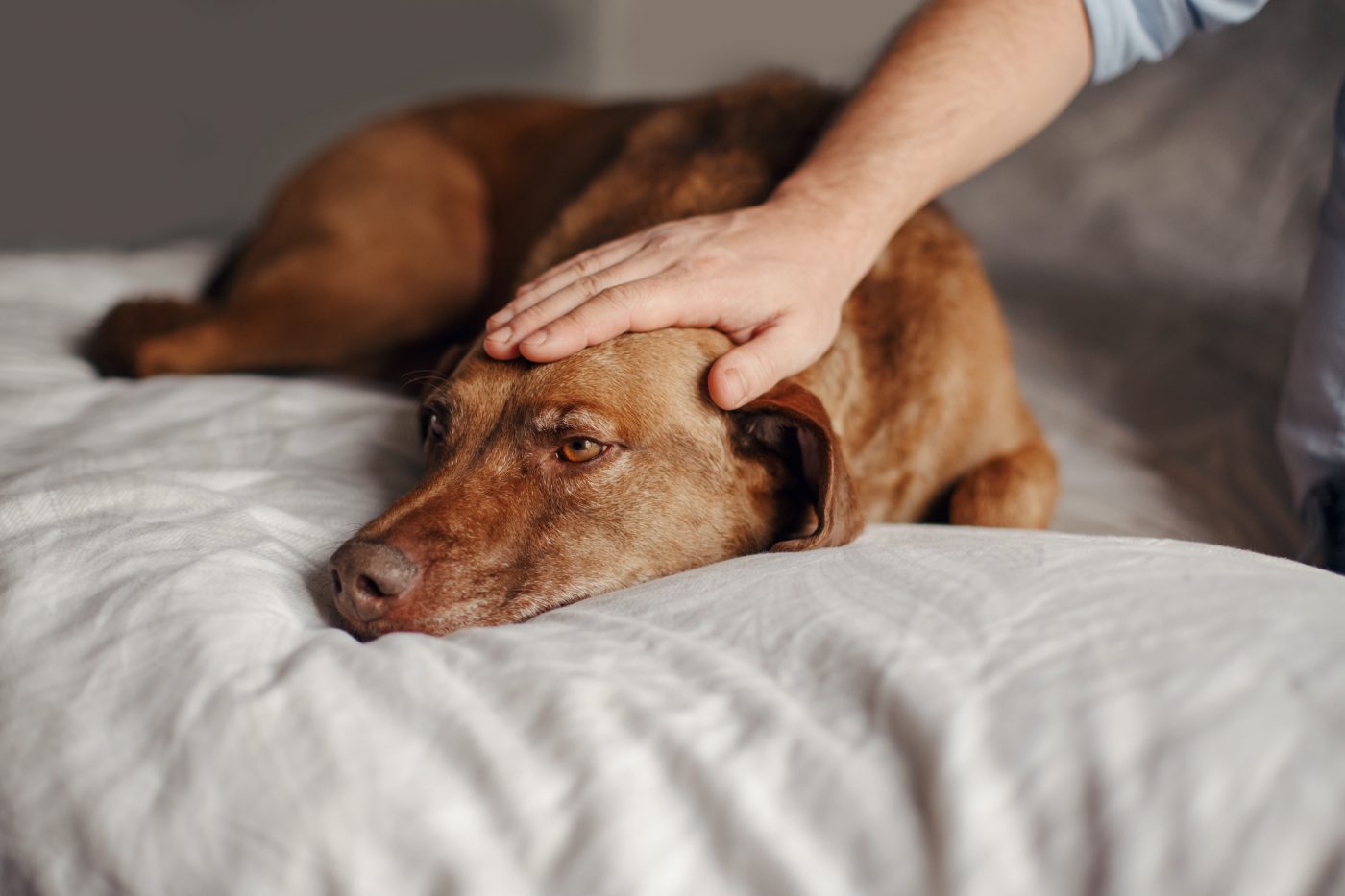
This is the one that deserves real attention. A dog that suddenly isolates itself or retreats to sleep in a quieter, out-of-the-way location could be dealing with pain, nausea, or illness. It’s a primitive instinct, hiding vulnerability from the pack.
Watch for other signs: changes in appetite, lethargy, limping, or unusual breathing. Joint pain is especially common in older dogs and can make the usual sleeping spot, particularly a bed that requires jumping, too painful. If a change in sleeping location comes with any of these other symptoms, a vet visit is the right call. Don’t wait it out.
📊 Dog Sleep Stats Worth Knowing
- Adult dogs sleep 12–14 hours per day on average
- Puppies and senior dogs may sleep up to 18–20 hours
- Dogs cycle through REM sleep much faster than humans (every 20 min vs. 90 min)
- 75% of dogs sleep in the same room as their owner, according to a 2021 AKC survey
- Temperature regulation is the #1 reason dogs move sleeping spots seasonally
5. Their Bed Has Gotten Uncomfortable
 Shutterstock
Dogs have opinions about where they sleep, just like we do. If their bed has gone flat, developed a weird smell from a new detergent, or has a cat sleeping in it now, your dog might simply find somewhere better.
Check the bed. Press down on it. If it’s lost most of its cushioning, it’s time for a replacement. Elevated orthopedic dog beds are especially worth considering for larger breeds or dogs who show any signs of joint stiffness.
6. They’re Growing Up (and Want Some Space)
 Shutterstock
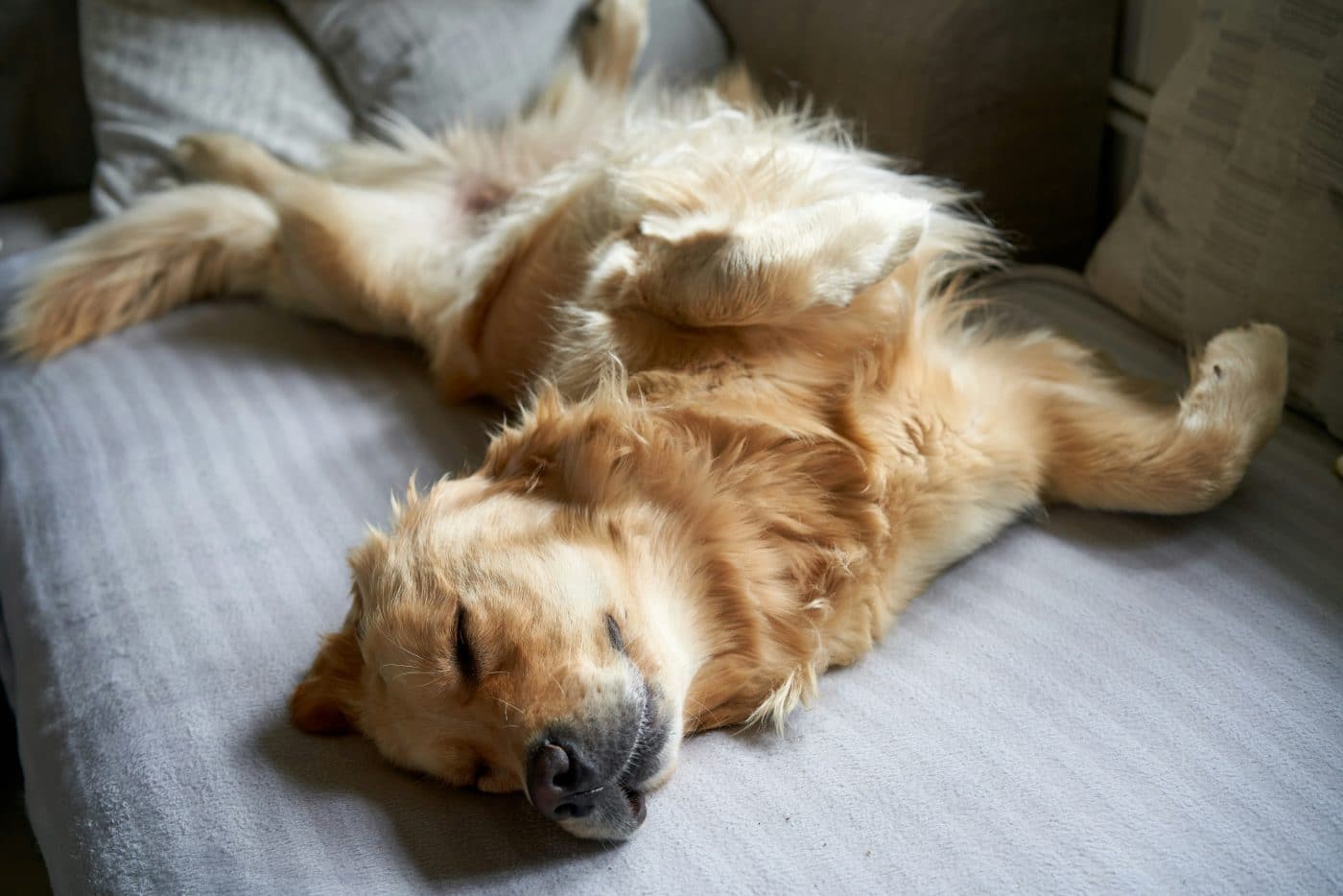
Puppies that follow their owners everywhere often start needing more personal space as they hit adolescence and then adulthood. A dog who used to sleep practically on top of you might decide, somewhere around 2-3 years old, that a quiet corner of the living room suits them better.
This isn’t rejection. It’s maturity. Some dogs, particularly more independent breeds like Basenjis, Chow Chows, or Shibas, naturally prefer solo sleeping and may have been humoring you all along.
7. Stress or Anxiety Is Driving the Change
 Shutterstock
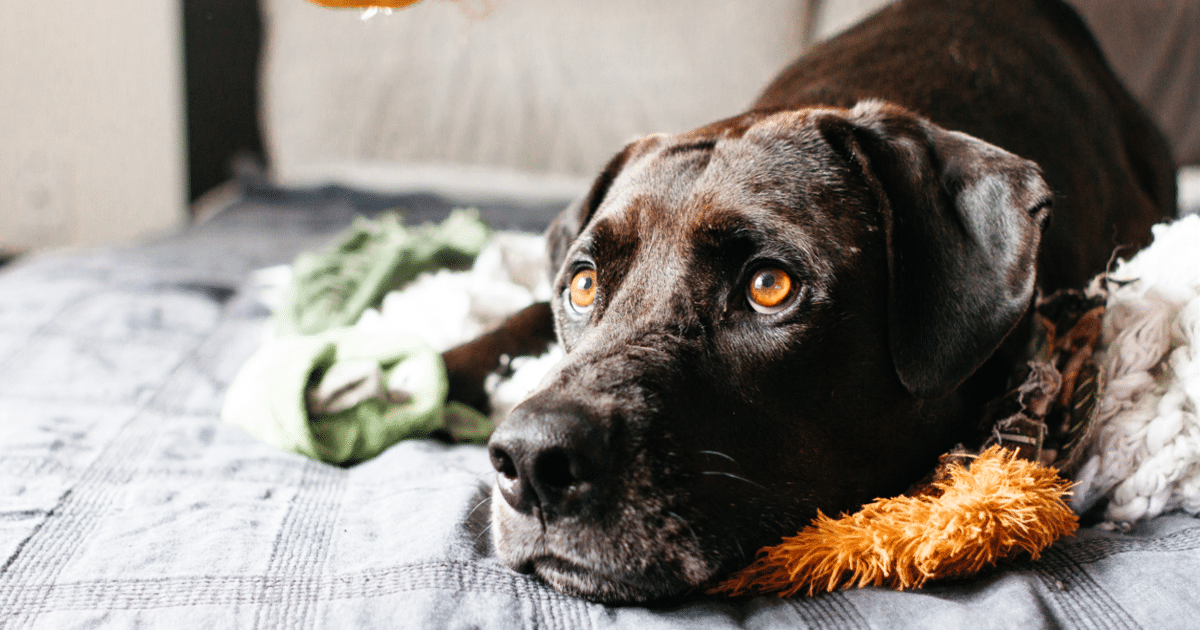
A move, a renovation, fireworks season, a change in your work schedule, anything that disrupts a dog’s sense of normal can trigger anxious behavior, including a switch in where they choose to sleep. Dogs dealing with anxiety or stress often seek out enclosed, darker spaces where they feel safer and harder to “find.”
Watch for other anxiety signals: panting at night, pacing, excessive licking, or clinginess during the day. If you’re seeing a cluster of these behaviors, calming aids, a consistent routine, or a chat with your vet about next steps can make a real difference.
8. They Found a Better Spot. Plain and Simple.
 Shutterstock
Sometimes there’s no deep meaning. Your dog tried sleeping by the back door, liked it, and kept going back. A sunlit patch of tile, a cozy nook under the stairs, the spot behind the couch where nobody bothers them. Dogs explore and update their preferences just like we do.
If the new spot doesn’t create safety issues and your dog seems happy and relaxed, just let them have it. Move their bed there if needed.
9. They’re Picking Up on Your Energy
 Shutterstock
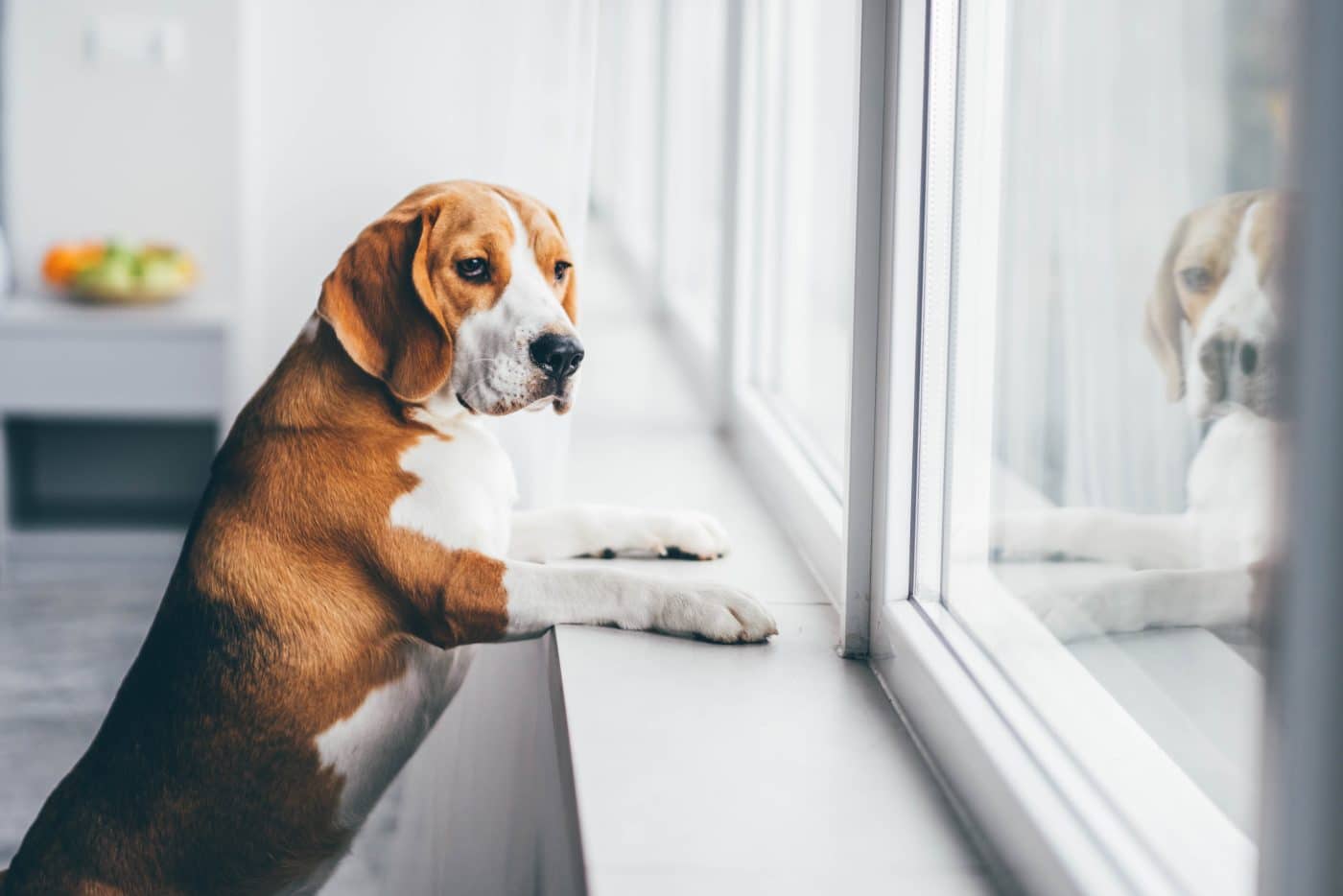
Dogs read our emotional states with remarkable accuracy. If you’ve been stressed, anxious, or not sleeping well, your dog may be avoiding the bedroom entirely because the energy there doesn’t feel restful to them. They’re not being unsympathetic. They’re actually seeking calm.
Tossing and turning, looking at your phone at 3am, or an inconsistent sleep schedule can all signal “not a calm place to be” to a sensitive dog. Some dogs prefer to sleep somewhere quieter when their owner is unsettled.
10. Aging Is Changing Their Needs
Senior dogs sleep differently than younger dogs. They may need softer surfaces, need to be closer to where they go outside, or find that stairs to the bedroom have become genuinely uncomfortable. If your dog is 8 or older, age-related changes in mobility and comfort preferences can easily explain a shift in sleeping location.
This is actually a good signal to pay attention to. If your older dog is choosing hard floors over their orthopedic bed, that bed may not be providing enough support anymore. Senior-specific dog beds with memory foam can make a genuine difference in sleep quality for arthritic dogs.
11. They’re Guarding the House
 Shutterstock
Some dogs, especially guardian breeds like German Shepherds, Rottweilers, and Great Pyrenees, will choose to sleep near entrances or in hallways where they have a better vantage point over the house. This isn’t anxiety. It’s instinct. They want to be positioned where they can monitor what’s coming in.
If your dog sleeps near the front door or at the top of the stairs, they’re doing their job. It’s not a problem unless the behavior becomes obsessive or territorial.
12. Something Smells Different in Their Usual Spot
Dogs navigate the world through smell to a degree we can’t really imagine. A new air freshener, a different laundry detergent on the bedsheets, a new perfume, even a food smell that got trapped in a room can make a previously comfortable spot suddenly feel wrong to a dog.
If the change in sleeping location came right after you switched cleaning products or rearranged the bedroom, a scent disruption might be the whole story. Give it a few days and try washing bedding with unscented detergent. Dogs often return once the familiar scent baseline is restored.
🚨 When to Call the Vet
A change in sleeping location alone is rarely an emergency. But pair it with any of these and you should call your vet:
- Loss of appetite lasting more than 24 hours
- Lethargy or reluctance to move
- Visible limping or difficulty getting up
- Whimpering or crying at night
- Unusual panting, especially when it’s not hot
- Hiding behavior combined with any of the above
What Should You Do About It?
Most of the time, the answer is: observe and adjust. You don’t need to force your dog back to their old spot. What you should do is look at the full picture.
Is your dog eating normally? Playing? Responding to you the same way as always? If yes, this is probably a comfort or preference issue, not a health issue. Make their new preferred area comfortable, keep their bed clean and supportive, and maintain a consistent evening routine.
If your dog seems off in other ways, or if they’re consistently hiding or isolating, that’s your cue to dig deeper. Understanding how much sleep is normal for your specific breed can help you spot when something is genuinely off. And when in doubt, a vet call costs nothing and rules out the serious stuff fast.
You can also help by:
- Keeping their bed clean and well-positioned away from vents or drafts
- Maintaining consistent bedtime routines
- Giving them a “yes spot” they’re always allowed, so they don’t feel displaced
- Checking in on mobility as your dog ages
 iHeartDogs
Frequently Asked Questions
Why did my dog suddenly stop sleeping with me?
This happens for lots of reasons: temperature, noise, a change in your sleep routine, or simply a preference shift. If your dog is otherwise healthy and happy, it’s usually not a sign of a problem with your relationship. Dogs don’t stop loving you because they sleep in a different room.
Should I be worried if my dog sleeps in a different room?
Not automatically. A change in sleeping location is only concerning when it comes with other symptoms: changes in appetite, unusual lethargy, signs of pain, or hiding behavior. A healthy dog who just migrated to the couch is typically fine.
Why does my dog sleep in a different room at night but not during the day?
Nighttime brings different sensory conditions: temperature changes, darkness, different sounds. Your dog might find the bedroom too warm, too loud with a fan or AC, or too bright. They may also simply prefer having an uninterrupted quiet stretch once you’ve settled in for the night.
Why does my senior dog suddenly want to sleep alone?
Aging dogs often experience joint pain, stiffness, and disrupted sleep. A spot that was once comfortable may not feel that way anymore. If your older dog is seeking softer or cooler surfaces, or seems reluctant to climb onto their usual bed, arthritis or other age-related changes could be the cause. A vet checkup is a good idea.
Can anxiety cause dogs to change where they sleep?
Yes, and it’s pretty common. Dogs dealing with separation anxiety or generalized stress often seek out enclosed, darker spots to sleep. If the sleeping change came with other anxious behaviors like panting, pacing, or clinginess, anxiety is likely a factor.
Is it bad for dogs to sleep in a different room from their owner?
Not at all. While many dogs do prefer close proximity to their owners, plenty of dogs thrive sleeping independently. What matters is that they feel safe, comfortable, and well-rested wherever they are.
 iHeartDogs
Bottom Line
If your dog has started sleeping in a different room, take a breath. It’s rarely the signal your brain immediately jumps to. Most of the time, your dog is just chasing comfort, temperature, quiet, or a fresh scent.
Keep an eye on how they’re doing overall. A dog who eats well, plays enthusiastically, and greets you the same way as always is a dog who’s doing fine, even if they’ve claimed the guest room as their new kingdom. But if something else feels off, trust that instinct. You know your dog. That bond means you’ll notice when something is actually wrong.
The goal is simple: make sure they have a safe, comfortable, low-drama place to sleep, wherever that ends up being.
 Toledo, United States.