
Skin allergies are one of the top reasons dogs visit the veterinarian, and the triggers can range from environmental irritants like pollen to certain ingredients in their food. While prescription medications can offer relief, many pet parents choose to begin with gentler, more natural approaches. Before introducing any new remedy or supplement, check in with your veterinarian, then consider the supportive options outlined below.
#1 – Proper Bathing & Grooming
If environmental allergens are the culprit, a consistent spa routine can make a huge difference. Bathe your dog weekly (or as advised by your vet) using a hypoallergenic shampoo infused with soothing ingredients like colloidal oatmeal or aloe. Warm water and a mild lather wash away irritants, calm inflamed skin, and reduce itch. Follow up with thorough brushing to lift dead hair and dander, promote healthy coat growth, and whisk external allergens off your dog before they settle.

#2 – Feed a Wholesome Diet
Healthy skin starts in the bowl. A nutrient-rich, minimally processed diet fortifies your dog’s immune system, helping it fend off allergens and recover faster from flare-ups. If food sensitivities are a concern, eliminate known triggers and switch to a high-quality, grain-free or limited-ingredient recipe featuring novel proteins and organic produce. The cleaner the ingredients, the better your dog can fight inflammation and maintain resilient, itch-free skin.
The better your dog’s nutrition, the better their overall health and their ability to fight off allergens.

Image source: Oleg. via Flickr
#3 – Try Apple Cider Vinegar
Organic, raw, unfiltered apple cider offers many benefits to dogs suffering from allergies. If your dog has hot spots or itchy skin, you can apply a 50/50 solution of apple cider vinegar and water to your dog. Put the solution in a spray bottle for easy use. This same spray will help repel fleas and ticks – a common allergen for many dogs. You can also use it to clean out your dog’s ears. The acidity of the mixture makes for an environment that yeast can’t live in – and yeast infections are typically caused by allergies. Make sure that the acidity isn’t too strong for your dog – some prefer a different mixture than the 50/50 suggested.
#4 – Manage Heat & Moisture
Your dog’s environment plays a large role in the health of their skin. Be sure to keep your home appropriately cooled and use a humidifier in dry conditions. When grooming, avoid using a high heat blow dryer, which might be faster but wreaks havoc on your dog’s sensitive skin.
Make sure your dog always has access to fresh, filtered water. Dogs on a dry kibble diet are in need of more moisture in their diets than dogs that eat a home-cooked, raw, or wet food diet.
#5 – Consider Applying Calendula
Calendula is a member of the sunflower family and offers several benefits to dogs with allergies. Either made into a tea or gel, applying calendula to your dog’s skin will help relieve inflammation from allergies. It also has natural anti-fungal and anti-yeast properties. It also helps improve your dog’s immune system when taken internally, so consider this as an allergy treatment as well.
#6 – Add Omega Fatty Acids Supplementation
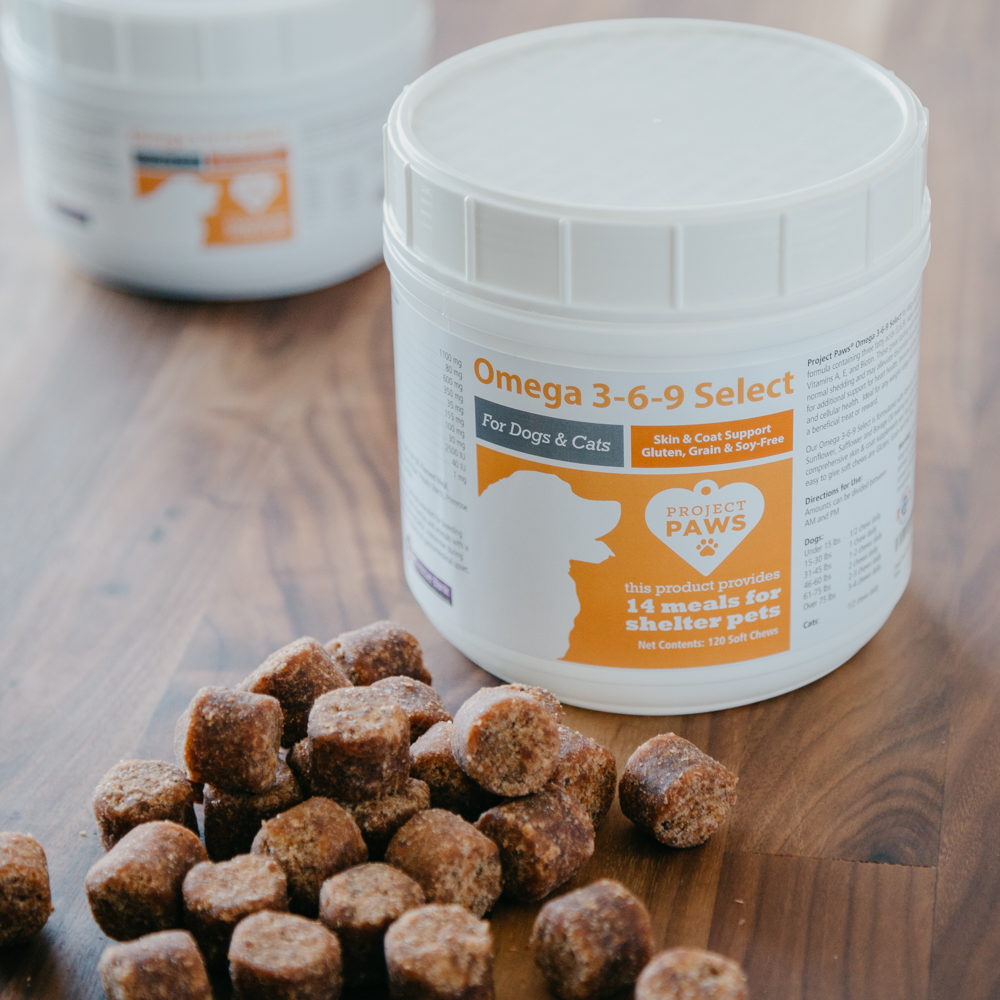
Omega fatty acids are extremely beneficial to dogs with allergies. These oils help improve your dog’s skin and coat by keeping the natural oils present in healthy amounts. Omegas also work as anti-inflammatories and greatly reduce the intensity of allergens. There are many Omega fatty acid supplements on the market, and you’ll want to look for something that works quickly to support a soft, silky coat, minimize normal shedding, and maintain the skin’s normal moisture content, such as Project Paws® Omega-3-6-9 Select soft chews.
Learn More About Our Omega-3 Skin & Coat Support Chews
These statements have not been evaluated by the Food and Drug Administration. This product is not intended to diagnose, treat, cure, or prevent any disease. The information on this website is not intended to replace a one-on-one relationship with a qualified health care professional.
 Toledo, United States.