
 Shutterstock
Shy Dog Breeds 2026: Why These Dogs Hold Back (and How to Help Them Open Up)
Not every dog runs to greet strangers with a wagging tail and zero hesitation. Some dogs hang back. They watch from across the room, tuck behind your legs when someone new walks in, or take weeks before letting a house guest get close enough to pet them. If your dog does any of this, nothing is wrong with them.
Shy dogs are often the most loyal, deeply bonded companions you’ll ever have. They just need more time to trust. The problem is that most content about shy dog breeds stops at “they take time to warm up.” That’s true, but it doesn’t tell you why they’re shy, what to watch for, or what actually helps. That’s exactly what this guide covers.
You’ll find 12 breeds known for reserved or cautious behavior, a clear look at why they’re wired this way, and specific steps to help your dog feel safe enough to open up. If you love calm, considerate dogs over boisterous ones, you might also appreciate this list of polite dog breeds with genuinely gentle manners — many of them overlap with the shy category.
What Makes a Dog Shy?
Dog shyness isn’t one single thing. It’s usually a mix of genetics, early life experiences, and environment. Some breeds were developed over centuries to be cautious around strangers — that wariness was actually useful when guarding a home or flock. Others are simply highly sensitive dogs that process sights, sounds, and new situations more intensely than breeds built for constant social activity.
Early socialization plays a huge role too. Puppies have a critical window between 3 and 14 weeks where experiences shape how they respond to the world for life. A puppy who didn’t meet enough people, places, and sounds during that time is more likely to be fearful or reserved as an adult. It’s one reason certain reserved breeds end up in shelters more often — their cautious nature gets misread as aggression or unfriendliness, when they really just needed a quieter introduction and more time.
There’s also a difference between genetic shyness (wired into the breed) and situational shyness (triggered by a specific environment or past experience). Both are workable. Both take patience. Knowing which one you’re dealing with changes how you approach it.
Shy Dog Breed Quick Reference 2026
| Breed | Shy Level | Best For | Time to Warm Up |
|---|---|---|---|
| Greyhound | Moderate | Calm households | Days to weeks |
| Shiba Inu | Moderate-High | Experienced owners | Weeks to months |
| Basenji | Moderate | Active, patient owners | Weeks |
| Afghan Hound | Moderate-High | Quiet homes | Weeks to months |
| Italian Greyhound | High | Gentle, consistent owners | Weeks to months |
| Akita | High | Experienced owners | Months |
| Whippet | Moderate | Calm families | Days to weeks |
| Borzoi | Moderate-High | Quiet, spacious homes | Weeks to months |
| Tibetan Spaniel | Moderate | Calm, consistent homes | Days to weeks |
| Saluki | Moderate-High | Patient, respectful owners | Weeks to months |
| Chinese Shar Pei | High | Experienced owners | Months |
| Chow Chow | High | Experienced owners | Months |
12 Shy Dog Breeds That Need Time to Trust
Greyhound
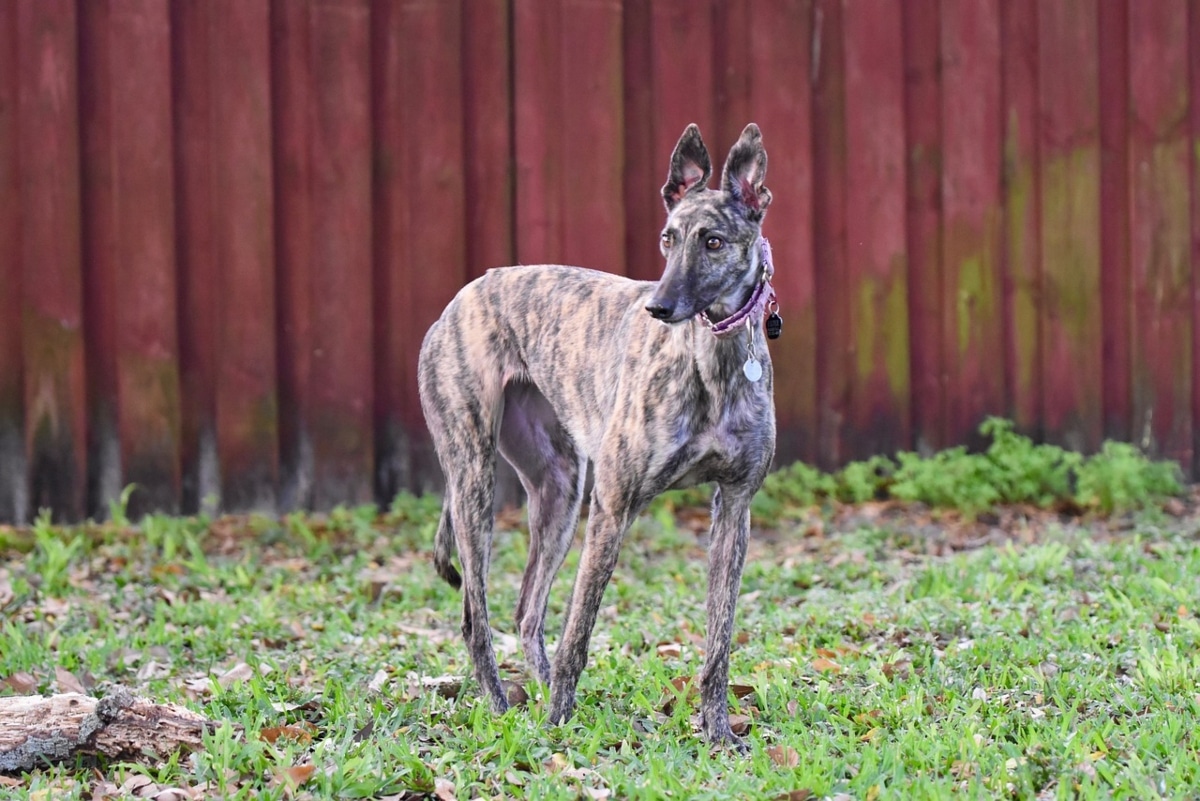 Greyhound
Greyhounds spent most of their lives on racetracks — kenneled, regimented, and rarely exposed to everyday home life. When they retire into a house, the whole world is new to them. Vacuum cleaners, children, stairs, and even sitting on a couch for the first time can feel overwhelming. That’s not fear in a broken sense; it’s just an unfamiliar world that they need time to decode.
Their sensitive temperament amplifies this. Greyhounds feel things deeply, and loud or unpredictable environments can shut them down quickly. Give a retired racing Greyhound a few weeks, keep introductions low-key, and let them approach people on their own terms. Most become surprisingly affectionate and ridiculously comfortable once they realize home life involves naps, not race schedules.
Owner tip: Never force interaction. Let guests ignore the dog at first and let the Greyhound decide when to approach. That choice matters enormously to them.
Shiba Inu
 Shutterstock
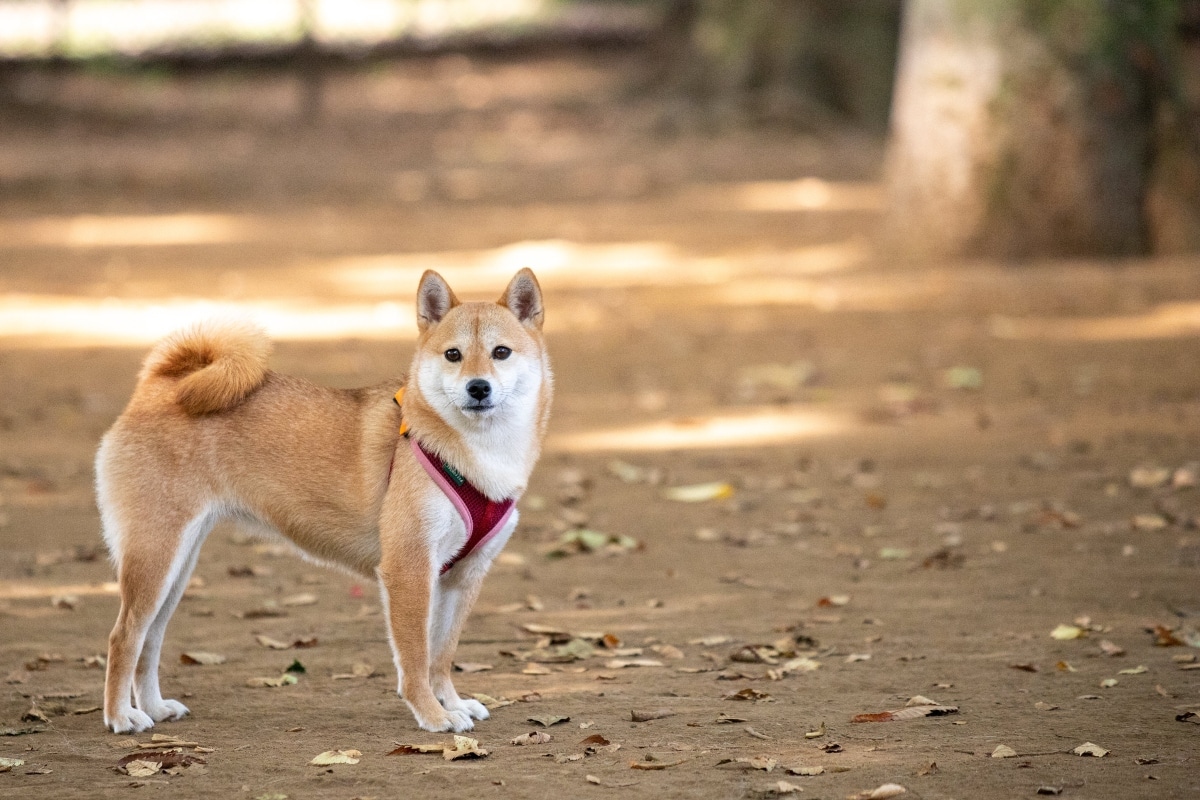
Shiba Inus are a breed that operates entirely on their own timeline. They didn’t develop that trait by accident — in Japan, they were hunters who worked independently, making decisions without direction. That independence carried over into how they relate to people. They don’t do greetings on demand, and pushing them into social situations rarely ends well.
Their shyness looks less like cowering and more like controlled distance. They’ll watch you carefully, assess whether you’re a threat, and decide when and if they want to engage. For people who are used to dogs that love everyone immediately, a Shiba can feel cold or aloof. They’re not. They’re just selective, and once you earn their trust, you’ll understand why it means so much. If you’re drawn to this breed’s unique personality, check out these dog breeds similar to the Shiba Inu for other options with that same independent spirit.
Owner tip: Don’t make prolonged eye contact when you first meet a Shiba. Crouch down, look away, and let them come to you. It works much better than reaching out to pet them.
Basenji
 Shutterstock
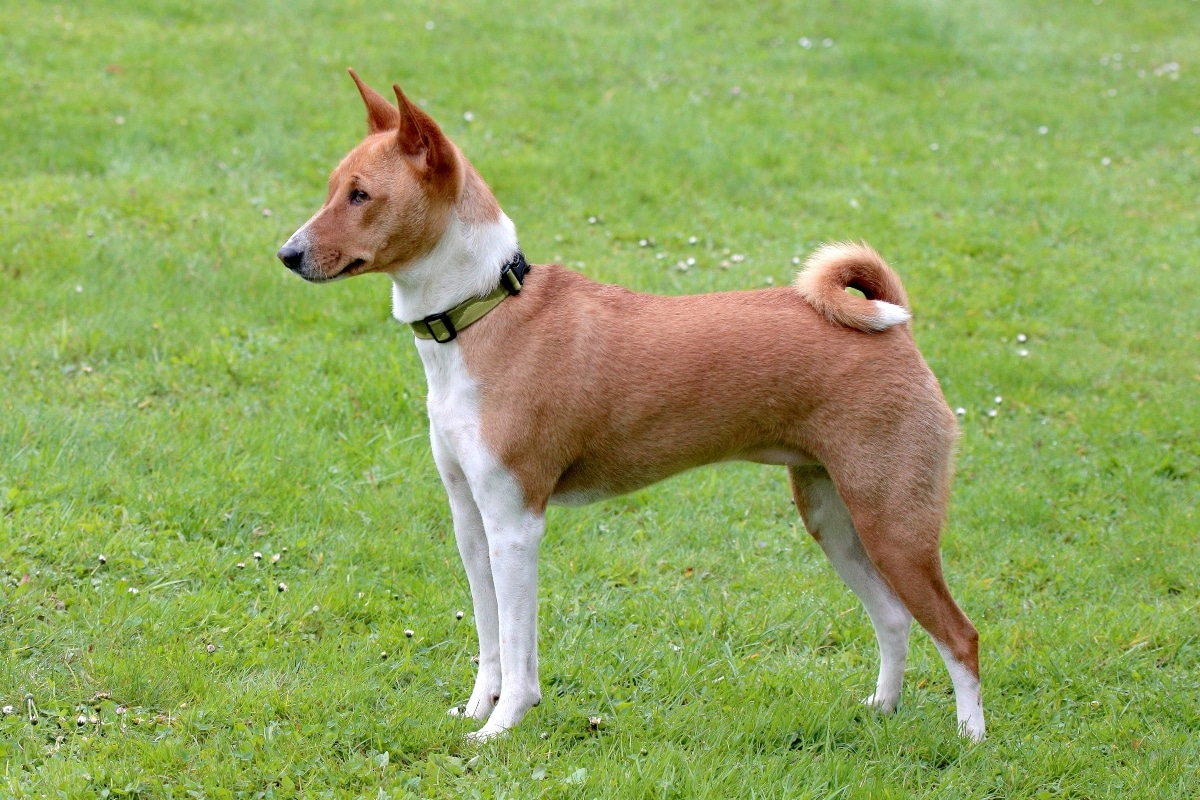
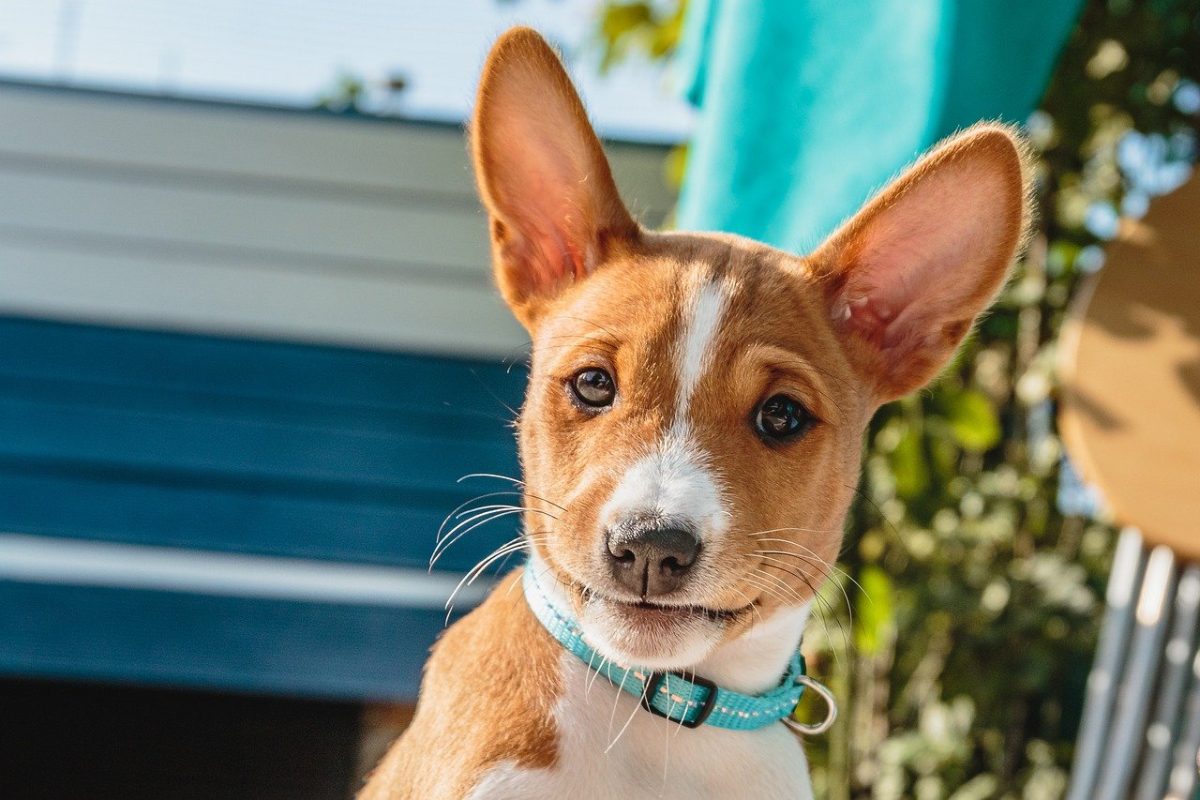
Basenjis are one of the oldest dog breeds in existence, and their reserved nature reflects thousands of years of self-reliance. They didn’t evolve to be people-pleasers. They evolved to hunt in the African bush, and their emotional independence is deeply ingrained. New situations, new people, or sudden disruptions to their routine can make them shut down fast.
The thing owners often miss is that a Basenji’s warmth, when it comes, is incredibly genuine. They don’t give affection casually. They pick who they trust, and that trust, once earned, tends to be rock solid. Be consistent, keep their environment predictable, and never punish a Basenji for hesitating — it will only set back any progress you’ve made.
Owner tip: Routines matter more for Basenjis than almost any other breed. Feed at the same time, walk the same routes at first, and introduce changes gradually.
Afghan Hound
 Shutterstock
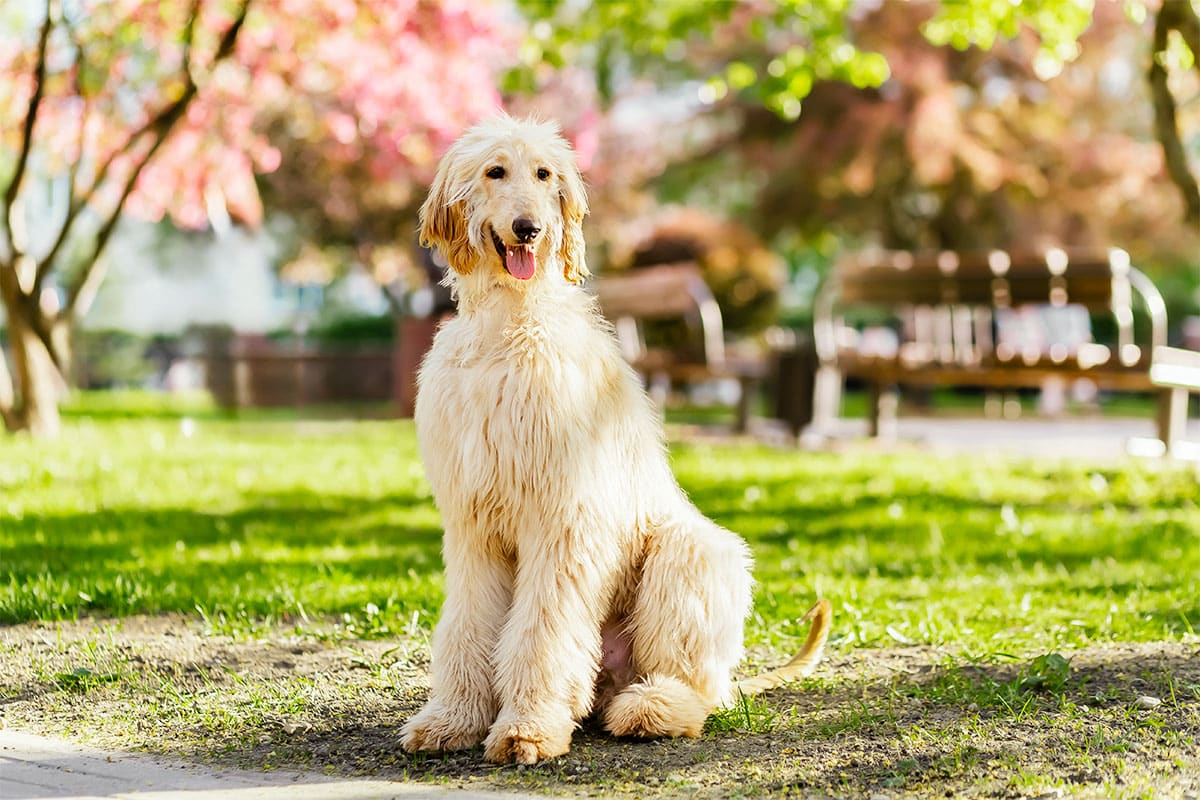
Afghan Hounds look like they belong in a fashion magazine, and they carry themselves accordingly — dignified, unhurried, and not particularly interested in impressing anyone. Their emotional distance isn’t arrogance; it’s the result of a thoughtful, sensitive personality that doesn’t do well with chaos, pushiness, or forced interaction.
They can become overwhelmed in noisy, busy environments, and they’ll often respond by shutting down completely rather than showing overt distress. Calm, patient handling is non-negotiable with Afghans. Give them space to observe before they engage, and don’t interpret their slow warm-up as disinterest. They’re paying attention to everything. They’re just not ready to act on it yet.
Owner tip: Introduce Afghans to new people outdoors in a neutral space before bringing them indoors together. They tend to be more relaxed away from their home territory at first.
Italian Greyhound
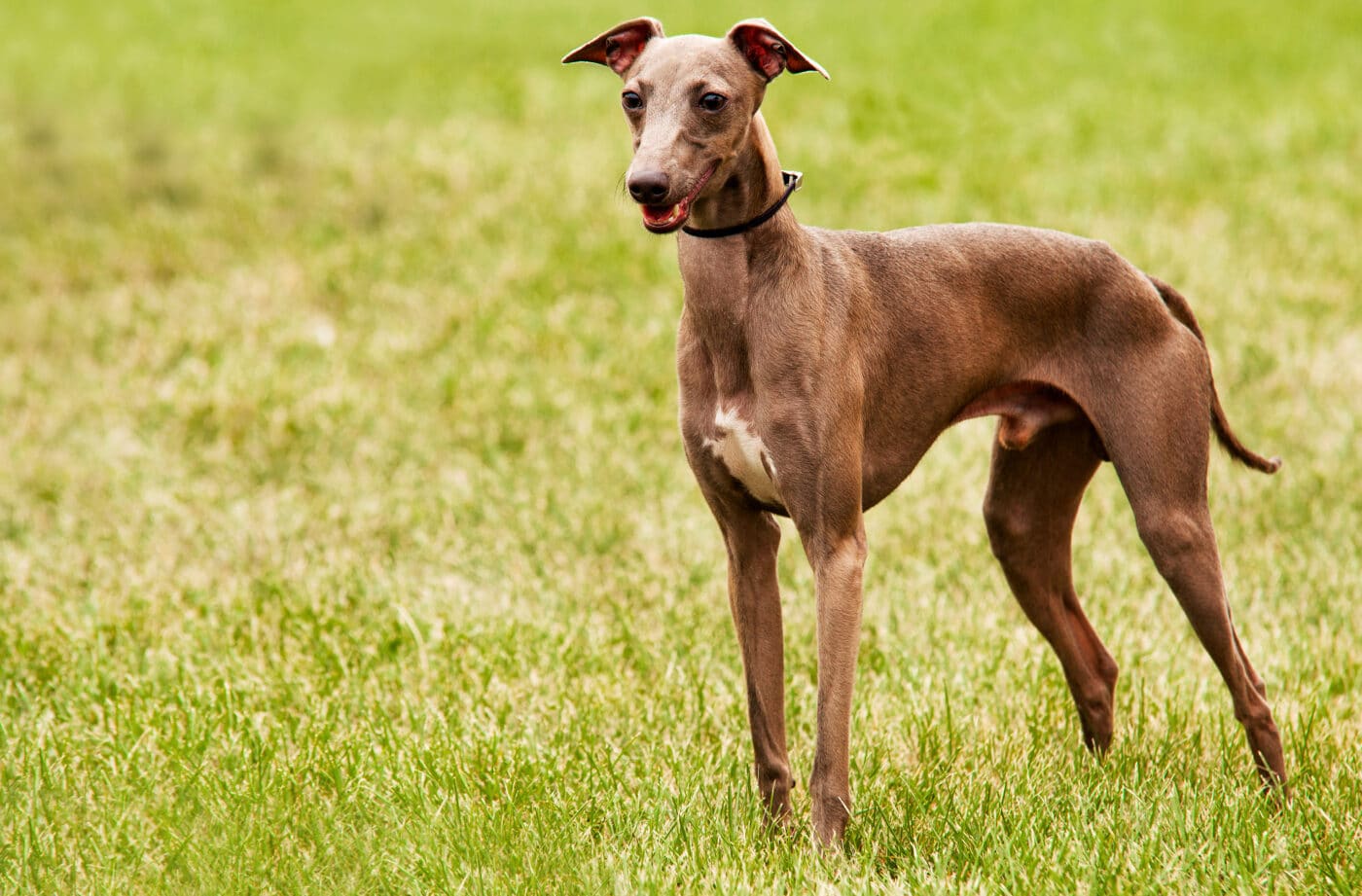
Italian Greyhounds are tiny dogs with enormous emotional sensitivity. They startle easily, pick up on stress in their environment like a radar dish, and can become truly overwhelmed by loud voices, fast movements, or strangers who approach too quickly. Their shyness isn’t stubbornness — it’s a nervous system that’s tuned to high alert.
What helps most is creating a predictable, quiet world where they feel physically and emotionally safe. Soft voices, gentle handling, and consistent routines work better than any training technique. Italian Greyhounds also tend to bond intensely with one or two people and can be reserved with everyone else indefinitely. If you’re considering a small breed that stays manageable size-wise, there’s a great rundown of small dog breeds that don’t shed that includes several with calmer temperaments.
Owner tip: Never scold or raise your voice with an Italian Greyhound when they’re being shy. It will make the shyness significantly worse and damage your relationship fast.
Akita
 Shutterstock
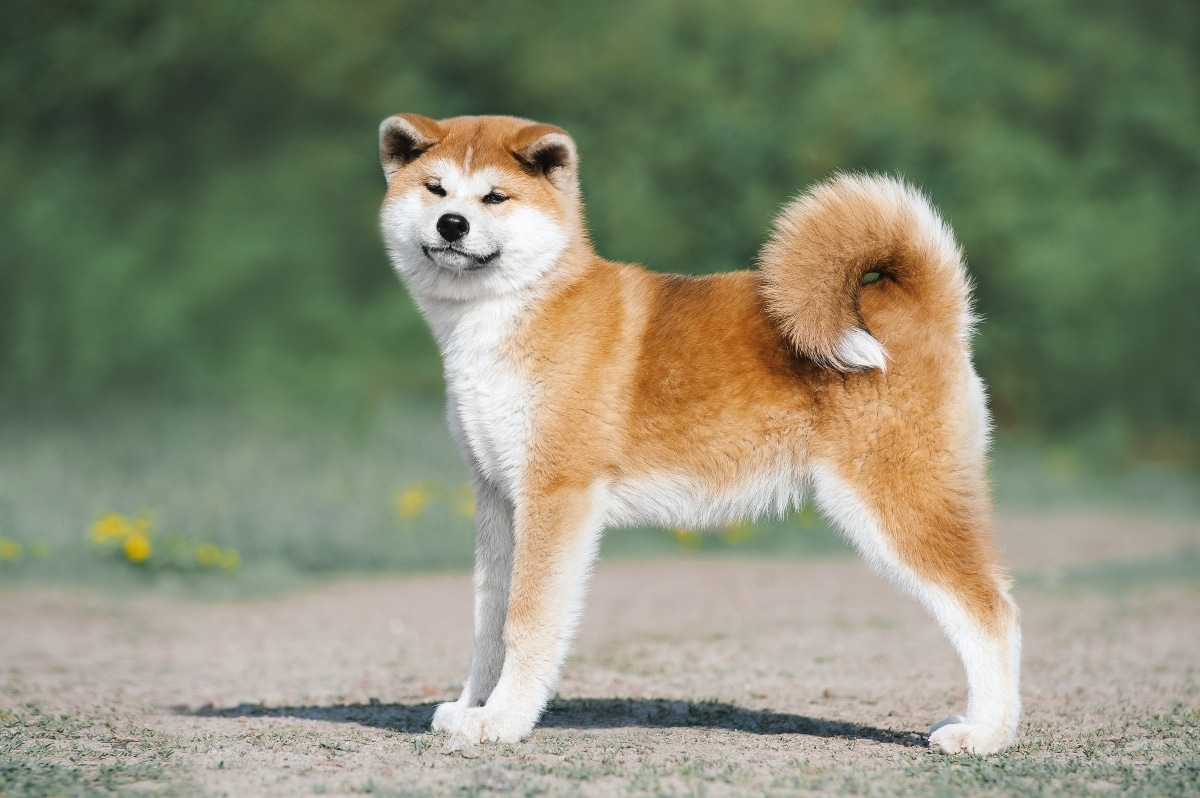
Akitas are large, powerful dogs with a reserved and selective personality that surprises people who expect them to act like Labradors. They don’t. They’re cautious with strangers, protective of their family, and completely uninterested in being social with people they don’t know. This isn’t shyness born from fear as much as it is wariness born from instinct.
An Akita that hasn’t been properly socialized can become difficult to manage, so early exposure to different people and environments matters a lot. Even well-socialized Akitas tend to prefer their inner circle and tolerate everyone else from a distance. That’s just who they are. If you want to understand why breeds with a tough exterior often have softer inner lives, this look at dog breeds with soft temperaments and tough exteriors covers that dynamic well.
Owner tip: Akitas respond to calm, confident leadership. If you’re nervous or inconsistent, they pick up on it and their wariness around others tends to increase.
Whippet
 Shutterstock
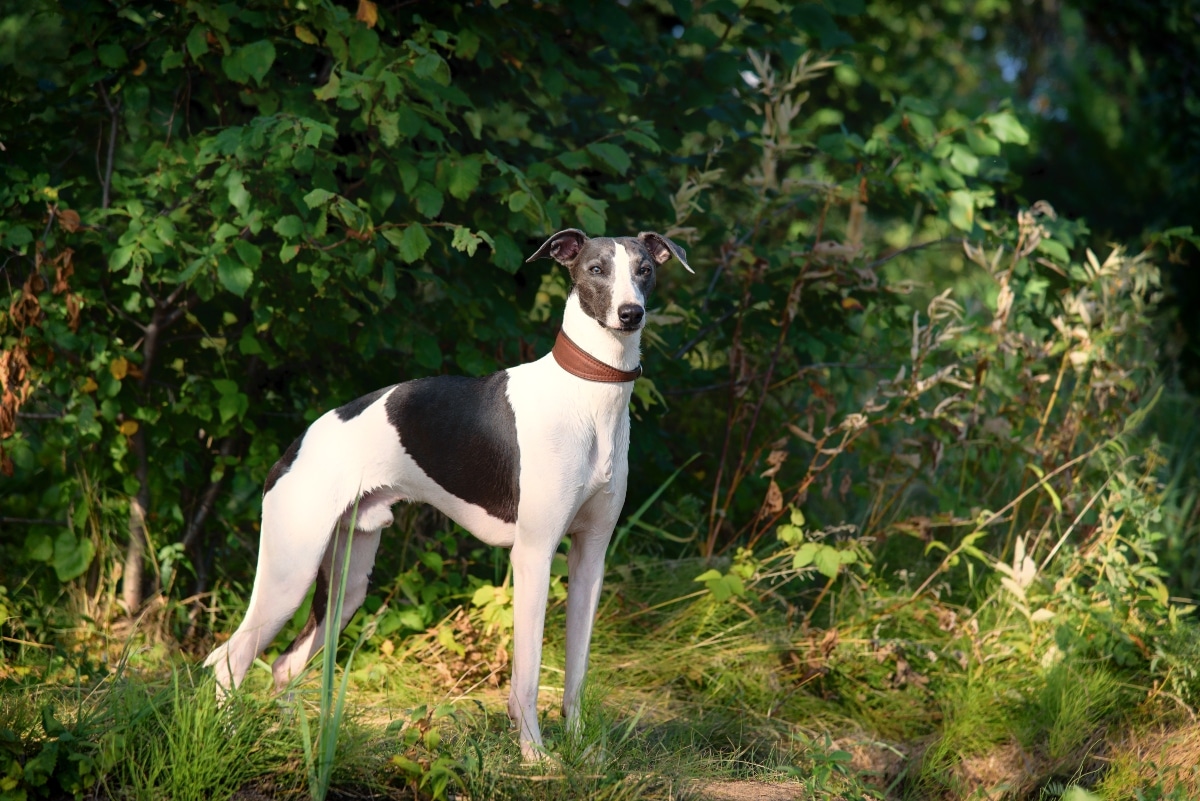
Whippets are sweet, sensitive dogs who can handle activity well but don’t handle noise, chaos, or sudden loud strangers at all. They tend to be timid around new people, especially those who approach too fast or with too much energy. In a calm household, they warm up in days. Put them in a chaotic environment and they’ll stay reserved for much longer.
The thing that surprises most new Whippet owners is just how silly and playful they become once they feel safe. The shy exterior melts away and you get a goofy, affectionate dog who wants to be on your lap constantly. Getting there just requires patience and a low-key introduction period.
Owner tip: Whippets do well with other dogs present during introductions. A calm, friendly dog can help them relax faster than any human approach.
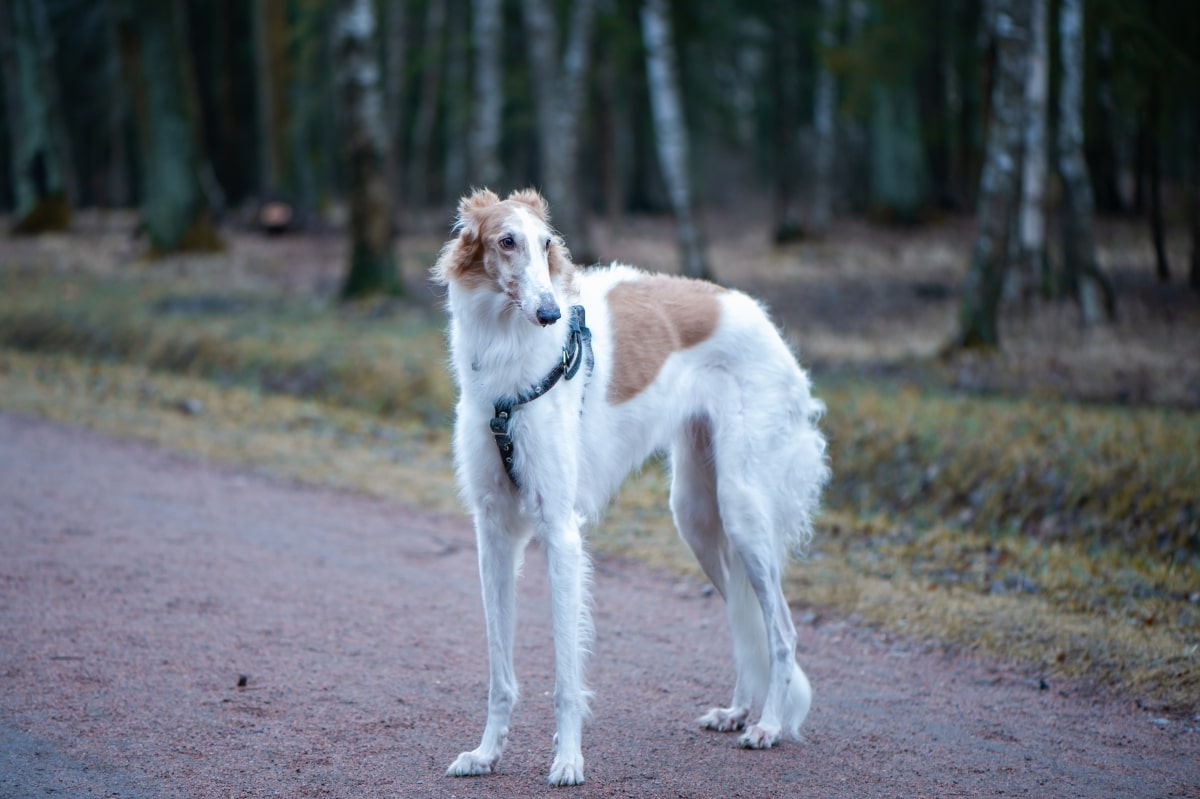
Borzoi
 Shutterstock
Borzois were bred as Russian aristocratic hunting dogs, and they carry that heritage in their bearing. They’re calm, introspective, and often described as cat-like in their emotional independence. They keep their distance in new social situations not because they’re scared, but because they’re careful. There’s a big difference.
Once a Borzoi decides you’re worth their time, they’re loyal and quietly affectionate. They won’t greet you at the door like a retriever. But they’ll follow you from room to room in their own unhurried way. People who want a dramatic outpouring of enthusiastic dog love should look elsewhere. People who appreciate a more subtle, thoughtful connection will find Borzois deeply rewarding.
Owner tip: Borzois need space — both physical and emotional. Don’t crowd them, especially early on. Let them observe from a comfortable distance before expecting any engagement.

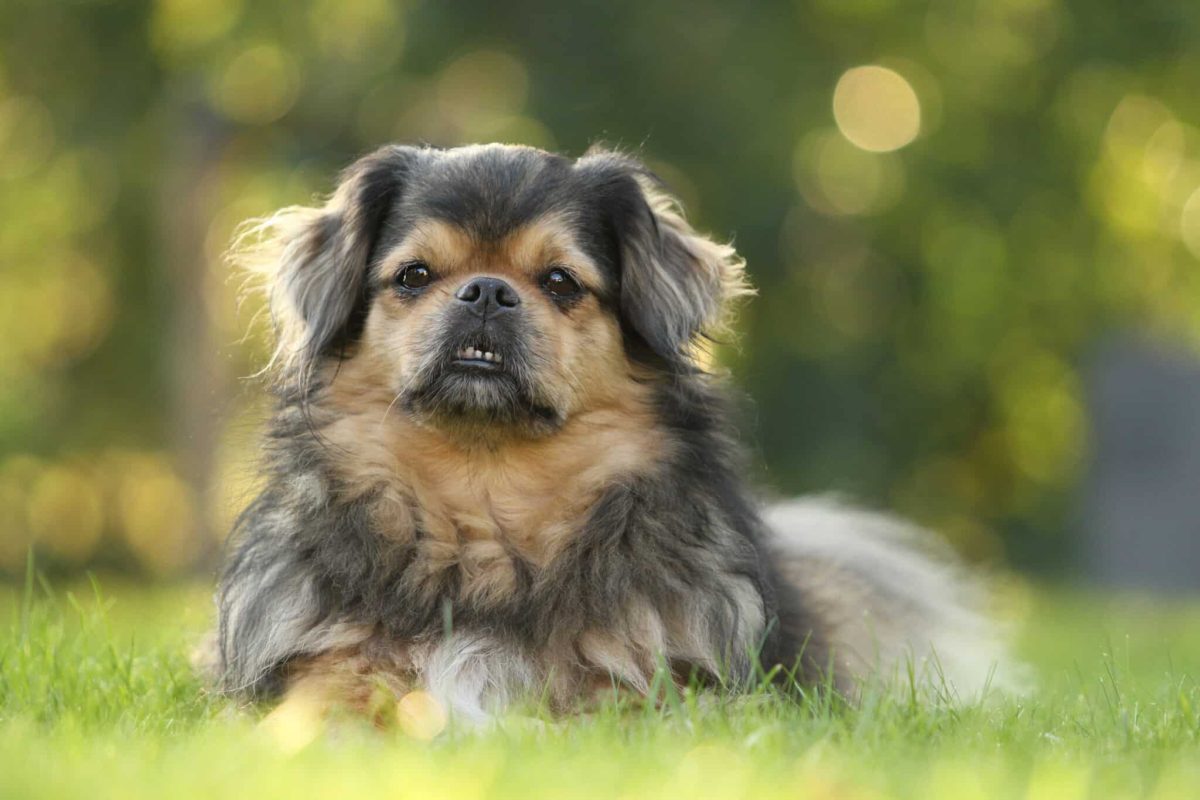
Tibetan Spaniel
 Shutterstock
Tibetan Spaniels were monastery watchdogs in Tibet for centuries. Their job was to observe, alert, and assess — not to greet everyone who showed up. That instinct is still very much alive. They watch before they participate. They assess before they trust. And they don’t appreciate being rushed through that process by well-meaning strangers who crouch down and reach for them immediately.
In a home they feel secure in, Tibetan Spaniels are playful, curious, and genuinely affectionate. They love being up high where they can survey their domain (a nod to their monastery window perches). Confidence grows through calm consistency and positive experiences, not through being pushed into interactions before they’re ready.
Owner tip: Tibetan Spaniels do best when guests sit down and let the dog come investigate at their own pace. Standing over them or reaching down feels threatening to this breed.
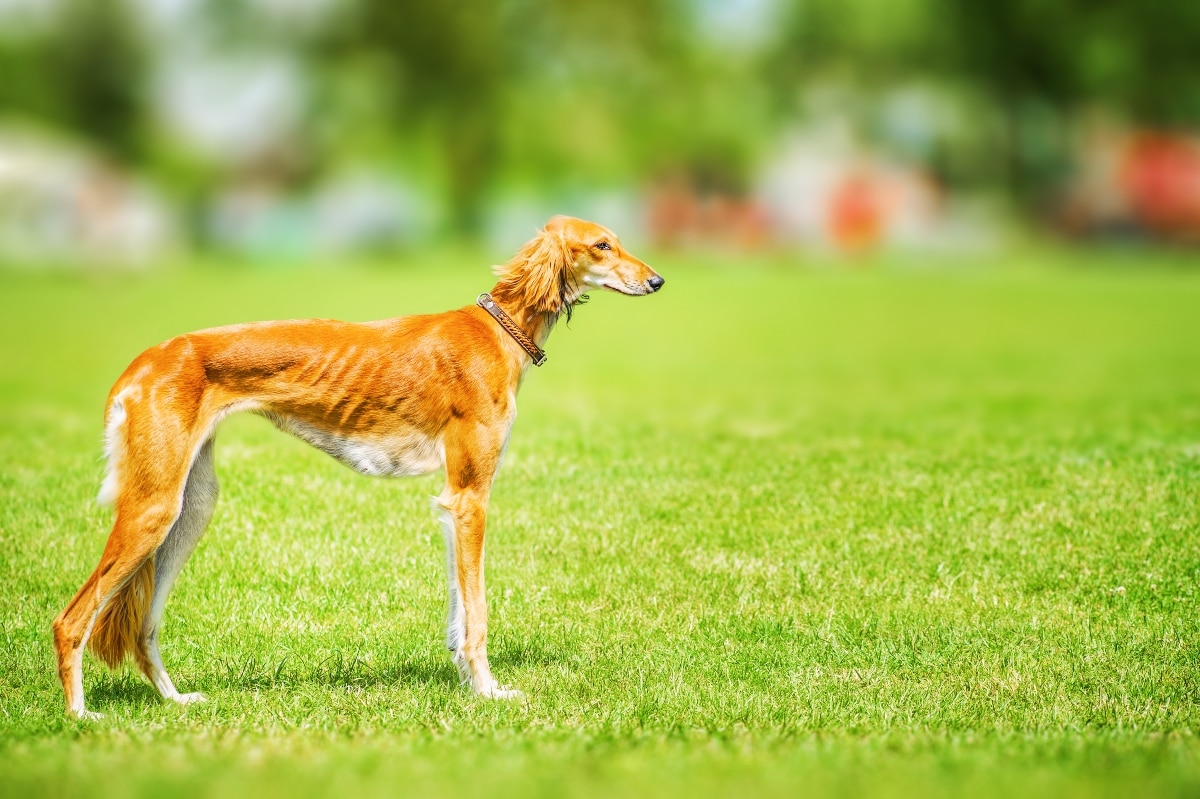
Saluki
 Shutterstock
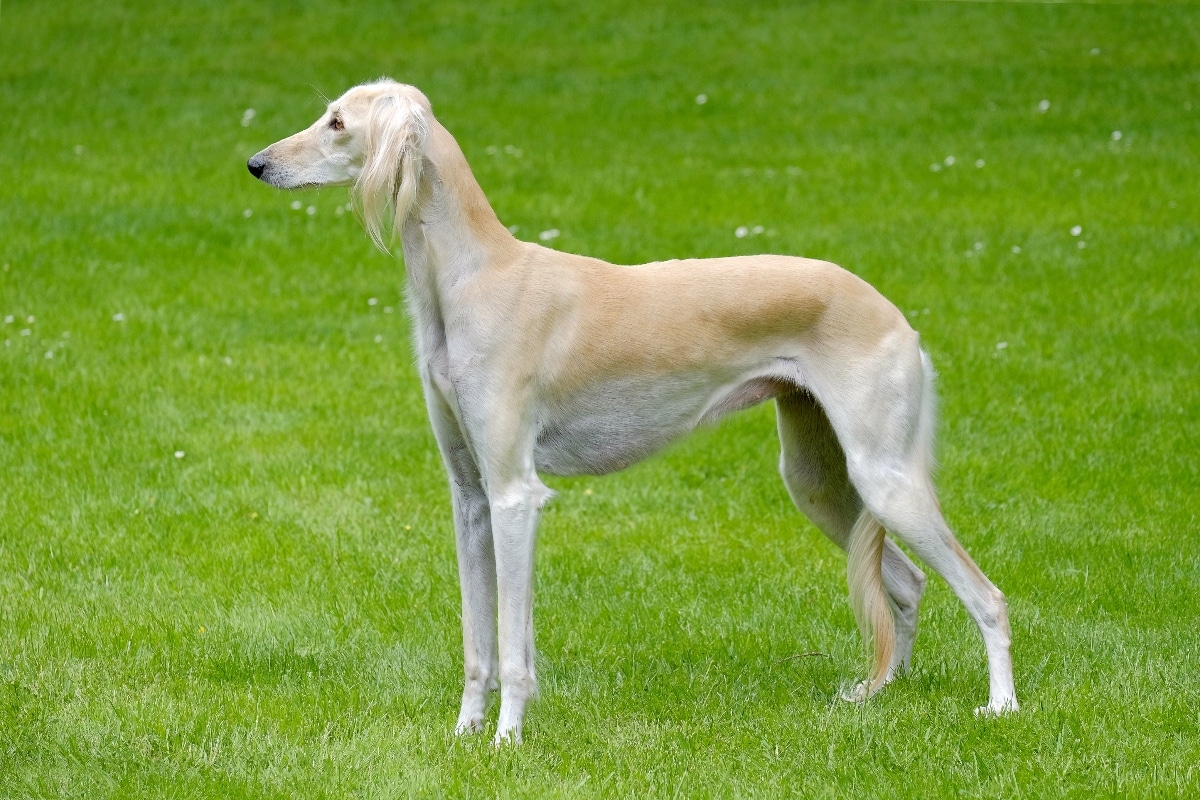
Salukis are one of the oldest dog breeds in the world, developed by nomadic Middle Eastern tribes to hunt alongside humans but not necessarily to be warm and fuzzy with everyone they met. That selective emotional bonding is still front and center today. They pick their people carefully, show quiet loyalty to those they trust, and maintain a polite but definite distance from everyone else.
Their shyness often looks like detached observation combined with very careful body language. They’ll turn slightly away, avert their gaze, and stay just out of reach until they’ve decided you’re safe. Respect that process. Trying to speed it up typically results in the Saluki retreating further, not opening up faster.
Owner tip: Salukis do well with other Salukis or calm dog companions. Having a bonded canine friend can significantly speed up their comfort level in new situations.
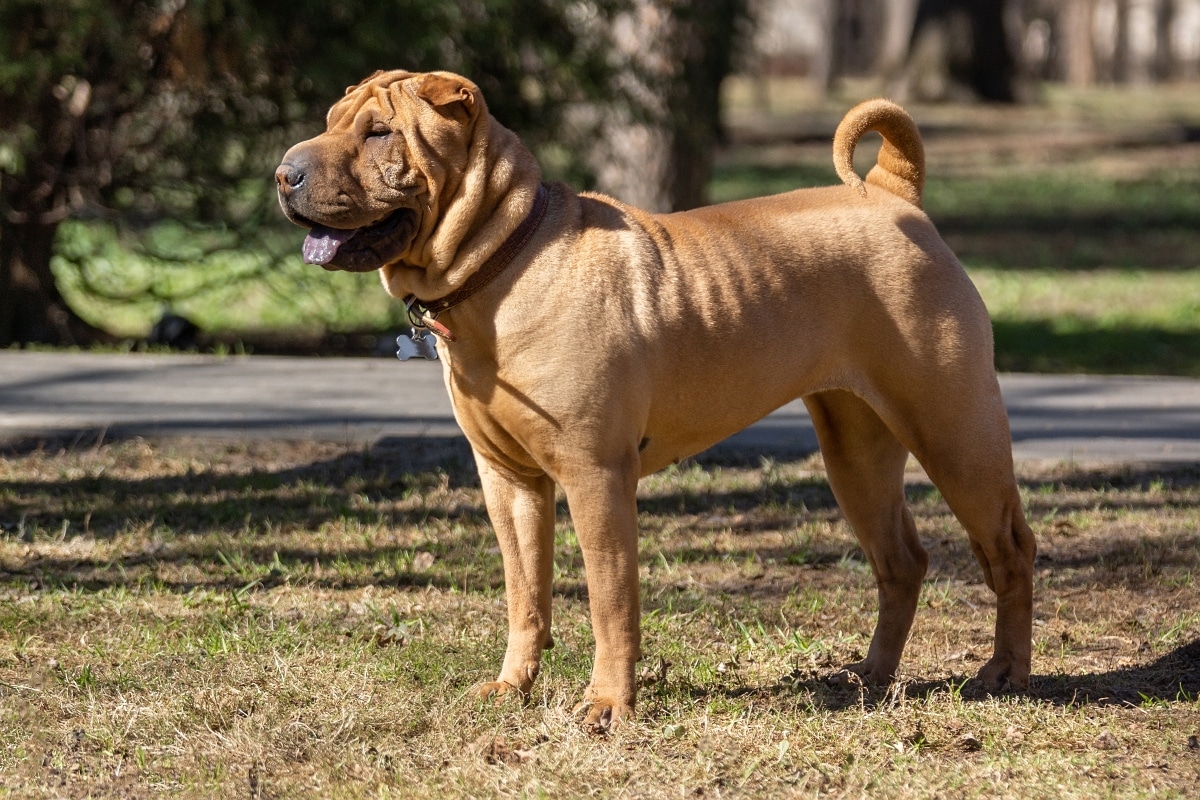
Chinese Shar Pei
 Shutterstock
Shar Peis were bred as guard dogs and fighting dogs in China, and while those fighting days are long gone, the instinct to be suspicious of strangers is still present. They don’t trust easily. They don’t warm up quickly. And they’re not interested in being social with people who haven’t earned their respect yet.
What makes Shar Peis work as companions is that within their own family, they’re devoted and surprisingly gentle. They form strong, loyal bonds with people who understand their need for space and respect their boundaries. Early socialization is critical — Shar Peis that aren’t exposed to different people and situations early tend to become much more difficult to manage as adults.
Owner tip: Shar Peis need boundaries and structure along with patience. A dog who doesn’t know the rules of the household is a more anxious dog. Clear, consistent expectations actually help them relax.
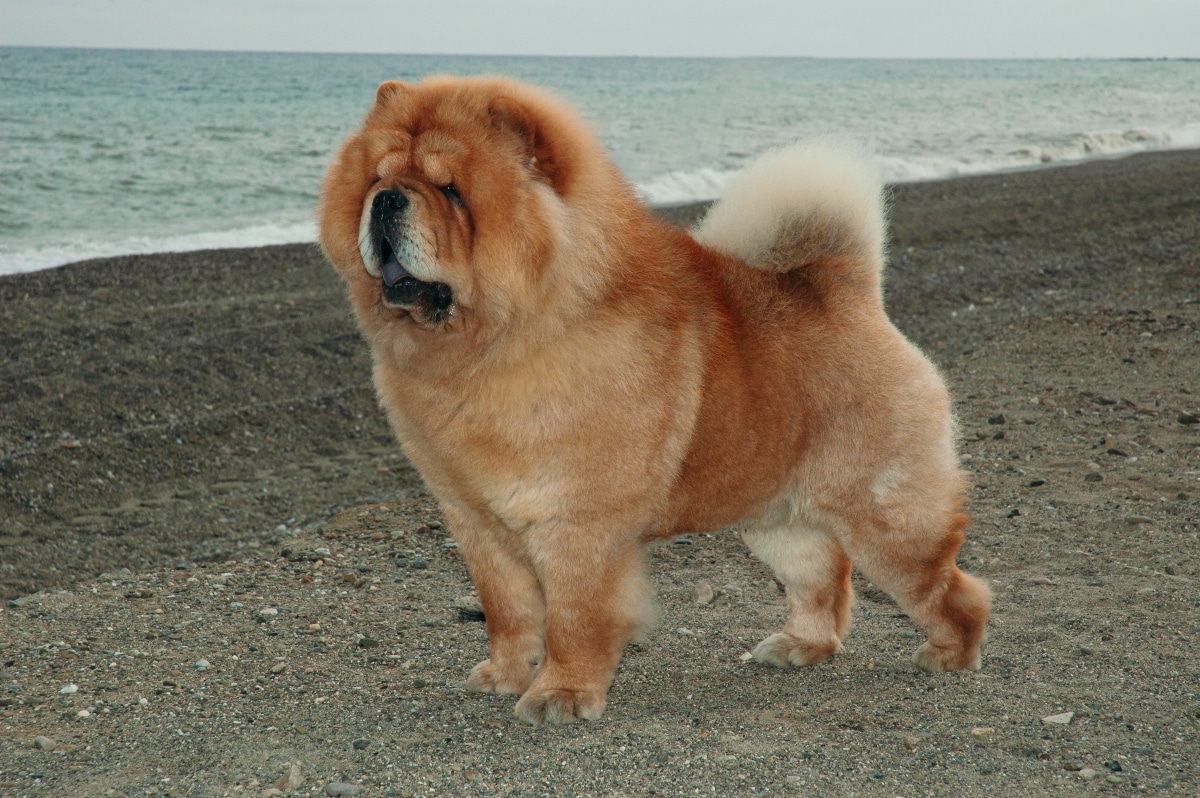
Chow Chow
 Shutterstock
Chow Chows are often described as cat-like, and that comparison is pretty accurate. They’re independent, emotionally reserved, selective about who they allow close, and completely indifferent to making strangers feel comfortable. Their shyness tends to look like aloof disinterest rather than anxious retreat, but the underlying mechanism is the same — they don’t trust new people until they’ve had time to evaluate them thoroughly.
They’re intensely loyal to their own family and can be genuinely affectionate in private moments. But they’re not the breed for households with a revolving door of guests, loud parties, or children who haven’t been taught how to approach dogs respectfully. Calm, patient households where the Chow can bond deeply with one or two people are where they thrive most.
Owner tip: Chow Chows don’t respond well to punishment-based training at any stage, but especially during the trust-building phase. Positive reinforcement keeps the relationship moving forward; corrections tend to stall it completely.
How to Help a Shy Dog Open Up
Here’s the thing about helping a shy dog: the approach that feels most natural to humans — leaning in, reaching out, talking in a high-pitched excited voice — is usually exactly wrong. Shy dogs need you to do the opposite. Back off. Be boring. Let them come to you.
A few things that actually work:
- Let them set the pace. Every interaction should happen on the dog’s terms. If they’re backing away, stop. If they’re approaching, stay still and let them investigate.
- Use high-value treats. A shy dog who doesn’t trust you yet will often accept a treat tossed gently near them. Don’t hand-feed until they’re comfortable enough to take it gently from your hand.
- Keep sessions short. Five minutes of positive exposure is better than 30 minutes of forced interaction. End every session while the dog is still comfortable, not after they’ve shown stress.
- Avoid forced confinement. Don’t hold a shy dog in your arms or prevent them from leaving a situation. The ability to escape is critical to their emotional safety. When they know they can leave, they’re actually more likely to choose to stay.
- Be consistent. Shy dogs don’t do well with unpredictable routines or people. Show up the same way every time. Feed at the same times. Walk the same routes initially. Predictability is safety to a shy dog.
Leash walks can also be a great neutral bonding activity. Many shy dogs relax more easily side-by-side on a walk than in direct face-to-face interactions. A well-fitted no-pull harness for sensitive dogs makes those early walks much more comfortable for everyone involved.
And one more thing — don’t rush it. Some dogs take days. Some take months. Progress isn’t always linear. A dog who was curious yesterday might be more guarded tomorrow if something spooked them. That’s normal. What matters is the long-term trend, not day-to-day fluctuation.
5 Things That Actually Help a Shy Dog Trust You
- Give them an exit. Never block a shy dog from retreating. Knowing they can leave makes them more likely to stay.
- Toss treats, don’t hand-feed yet. Start by dropping high-value treats nearby. Move to hand-feeding only once they approach you calmly on their own.
- Be boring on purpose. Sit on the floor. Ignore the dog. Read a book. Let their curiosity bring them to you rather than reaching out to them.
- Keep routines rock-solid. Same feeding times, same walk routes, same bedtime. Predictability equals safety for reserved dogs.
- Celebrate small wins. A glance, a sniff, a tail wag from two feet away — those are huge milestones. Quietly acknowledge them and move on without making a big fuss.
When Shyness Becomes a Problem
There’s a difference between a dog who’s reserved and a dog who’s genuinely fearful. Shy dogs take time to warm up but are functional — they eat normally, play in safe environments, and don’t show constant stress signals. A fearful dog, on the other hand, may refuse to eat, shake or tremble in mildly new situations, urinate submissively, or show aggression when feeling cornered.
If your dog’s shyness is affecting their quality of life — they can’t go on walks without shutting down, they hide for hours after someone visits, or they’ve snapped at someone out of fear — it’s worth talking to a veterinary behaviorist. Fear-based behavior that isn’t addressed doesn’t usually resolve on its own. It tends to escalate. Some dogs also benefit from anti-anxiety medications combined with behavior modification, and that’s nothing to be ashamed of. You’d treat any other medical issue.
Even breeds labeled as stubborn or challenging to train respond well to patient, positive methods. If you’re curious which breeds tend to test owners’ patience the most, check out this honest breakdown of the least obedient dog breeds and why training them is still worth it.
 Shutterstock
Frequently Asked Questions About Shy Dog Breeds
Are shy dogs harder to train?
Not necessarily. Shy dogs are often quite smart and very tuned in to their owners. The key is using positive reinforcement only — treats, praise, and play — rather than correction-based methods. Punishment or harsh tones set back training significantly with sensitive breeds. Keep sessions short (5-10 minutes), end on a success, and build confidence gradually alongside obedience.
Can a shy dog become more confident over time?
Yes, most shy dogs can make real progress with consistent, patient handling. The key word is consistent. Sporadic effort or forcing interactions can undo weeks of progress. Some dogs become genuinely social and outgoing. Others reach a comfortable “middle ground” where they’re relaxed at home and manageable in public, but never the first to greet strangers. Both outcomes are success stories.
How do I introduce a shy dog to new people?
Start outdoors in a neutral space rather than in the dog’s home. Ask guests to crouch down sideways (not facing the dog directly), avoid prolonged eye contact, and hold a treat near their knee without extending it outward. Let the dog approach on their own. No reaching, no loud greetings, no sudden movements. If the dog doesn’t approach, that’s fine — end the session calmly and try again another day.
Is shyness in dogs genetic or learned?
Both. Some breeds have been selectively bred for centuries to be cautious around strangers — that’s baked into their DNA. Individual dogs within those breeds also vary based on early socialization, maternal temperament, and any past experiences. A shy dog from a shy breed who also missed the critical socialization window between 3-14 weeks will typically need the most support.
Should I adopt a shy dog if I have children?
It depends on the dog and the children. Some shy breeds do fine with calm, respectful kids who’ve been taught how to approach dogs gently. Others find children overwhelming because of their unpredictable movements and noise levels. Always do a temperament evaluation before adopting, and never leave any dog — shy or otherwise — unsupervised with young children until you know exactly how the dog responds to them.
What’s the difference between a shy dog and a dog with separation anxiety?
Shyness shows up around unfamiliar people or situations. Separation anxiety shows up when the dog is left alone, even in familiar surroundings. Some dogs have both. Signs of separation anxiety include destructive behavior when alone, constant vocalization, inappropriate elimination, and extreme distress at departure cues like you picking up your keys. If your dog ticks those boxes, a vet or veterinary behaviorist is the right next step.
 Shutterstock
The Dog Who Just Needs More Time
Shy dogs teach you something that outgoing dogs don’t. They teach you that trust is earned, not assumed. And when a dog who took six weeks to let you pet them finally leans into your hand and relaxes — that moment means something different than when a Golden Retriever does it on day one.
The shy dog breeds on this list aren’t broken. They’re not unfriendly. They’re just more careful than most. Living with one means celebrating small wins, staying consistent when progress feels slow, and resisting the urge to push. The payoff is a dog whose loyalty feels deeply personal, because it is. They chose you. On their own terms, in their own time. That’s worth something.
 Toledo, United States.