
As winter creeps closer, you may notice your dog starting to become less active, more lethargic, and slower to rise. While it is possible for dogs to suffer from Seasonal Affective Disorder, the more likely reason for your dog’s cold-weather change in activity level is osteoarthritis. Arthritis is a painful condition involving deterioration of the cartilage in joints. Cold weather doesn’t cause arthritis, but it often makes the symptoms worse, leaving many dogs stiff and uncomfortable. Luckily, there are several things you can do to help your dog through the pain and stiffness that winter can bring.
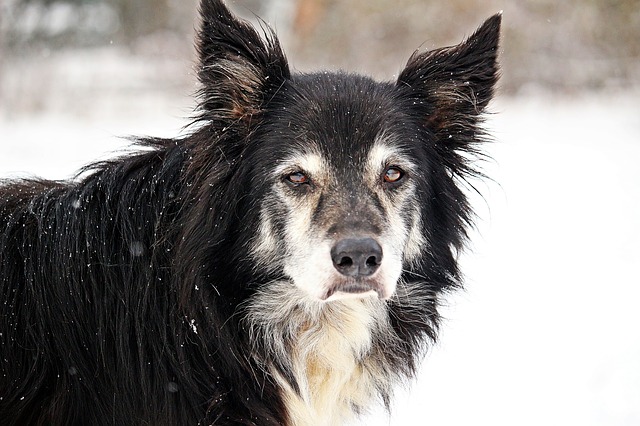
Why Cold Weather Makes Arthritis Worse
Many pet parents notice their dog limping or slowing down more in the colder months. Researchers believe there are a few reasons:
Temperature and Circulation:
Cold weather can cause muscles and soft tissues around joints to tighten, reducing flexibility and making movement more painful.
Barometric Pressure Drops:
Falling air pressure may cause joint tissues to expand slightly, increasing sensitivity and inflammation in already painful areas.
Less Activity:
Dogs tend to move less in the winter, which can lead to stiffness and weaker muscles, both of which put more strain on the joints.
Cold, Damp Surfaces:
Lying on chilly floors or damp ground adds stress and discomfort, especially for older dogs.
What You Can Do to Help
#1 – Keep Your Dog Warm
Cold intensifies pain, so maintaining warmth is essential. Cozy sweaters, heated blankets, raised or padded beds, and even orthopedic pet mattresses can make a big difference. Keep your pup away from drafts and cold floors, and consider heated pads designed specifically for dogs.
#2 – Keep them active
Although it sounds counterintuitive, mild to moderate exercise actually helps a dog’s joints stay limber and minimizes the stiffness that frequently accompanies arthritis, especially in cold weather. Not only are walks great exercise, but if you have access to water, swimming is fantastic exercise that reduces the amount of pressure on your dog’s joints.
#3 – Try canine massage
You’ve probably experienced a massage yourself and know how wonderful it can feel. Your dog can get the same benefit. You can take your dog to a professional dog masseuse or you may learn to massage your dog yourself. Either way, relaxing your dog’s muscles can help ease the pain in his joints.

#4 – Manage Their Weight
Excess weight places additional stress on already painful joints. Maintaining a lean body condition is one of the most powerful ways to reduce arthritis symptoms. Ask your veterinarian for a weight-management plan that balances calorie control with proper nutrition.
#5 – Add supplements to their diet
Your doctor may have recommended Glucosamine and Chondroitin to you for your own joint pain – did you know those same ingredients can help reduce your dog’s joint pain, too? The Happy, Healthy Advanced Hip & Joint Chews supplement is a powerful soft chew for dogs recommended to support normal joint function, flexibility, and healthy joint cartilage.
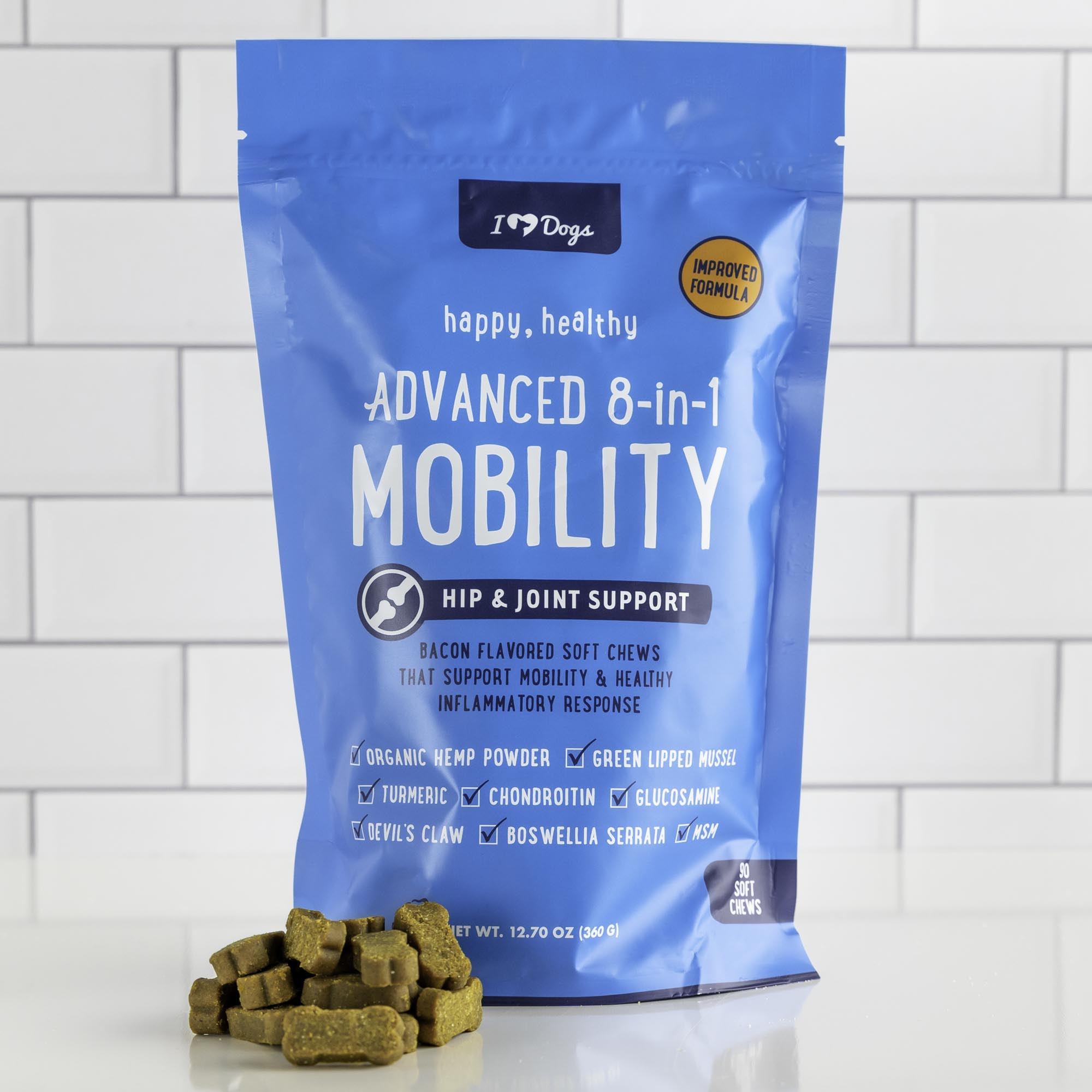
It’s formulated with a complete and balanced blend of Glucosamine, Chondroitin, MSM, Turmeric, Black Pepper Extract, Yucca Schidigera, and Vitamins C and E in a great tasting chew dogs love! These treats are grain-free, gluten-free, and soy-free and are made in the United States.
#6 – Consider Modern Treatment Options
In the past decade, new therapies have given veterinarians more tools to manage arthritis pain:
Monoclonal antibody injections (e.g., Librela®) provide monthly relief by blocking pain signals at the nerve level.
Laser therapy and shockwave therapy reduce inflammation and promote healing.
Joint injections with hyaluronic acid or platelet-rich plasma (PRP) can help lubricate joints and improve mobility.
Broad-spectrum hemp oil and CBD supplements may help relieve discomfort naturally, though you should always choose veterinary-recommended brands.
Advanced medications beyond traditional NSAIDs can be added into a multimodal pain plan when needed.

The Bottom Line
Cold weather can make arthritis pain worse for your pup, but you don’t have to watch them suffer. With warmth, weight management, gentle activity, hands-on therapies, and today’s expanding treatment options, you can help your dog stay more comfortable and mobile all winter long.
These statements have not been evaluated by the Food and Drug Administration. This product is not intended to diagnose, treat, cure, or prevent any disease. The information on this website is not intended to replace a one-on-one relationship with a qualified healthcare professional.
 Toledo, United States.